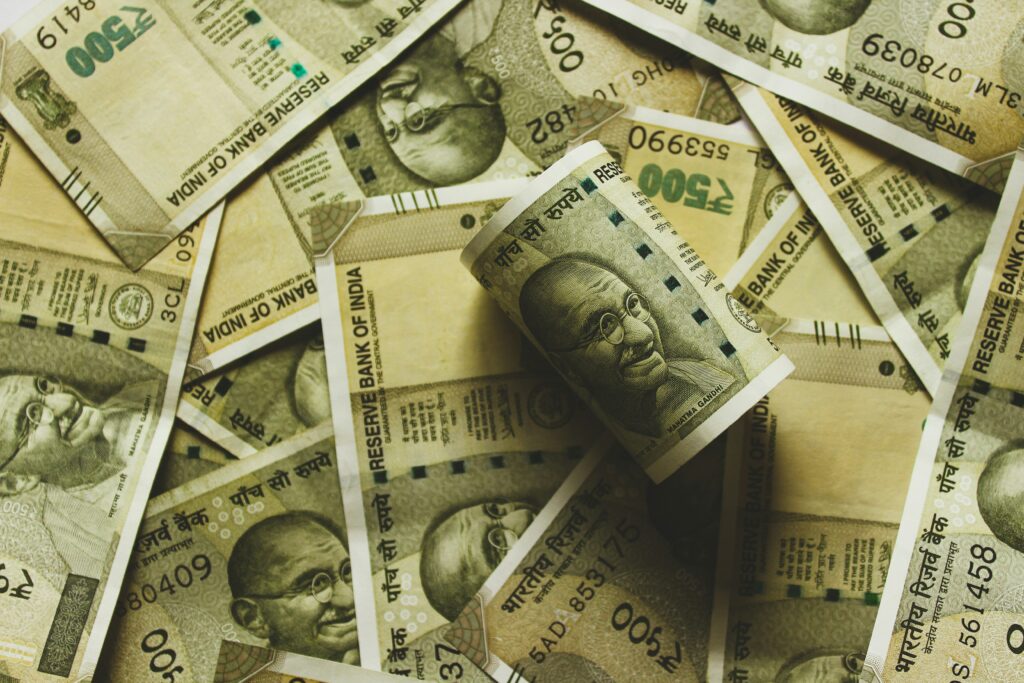
Rupee Slips 6 Paise Against US Dollar: A Detailed Analysis
The Indian rupee pared initial gains and settled for the day 6 paise lower at 90.29 (provisional) against the US dollar on Wednesday, as the likely central bank intervention was negated by a strong dollar, foreign outflows from capital markets, and elevated crude oil prices. This move has significant implications for Indian investors, especially those with exposure to foreign markets or imports.
Understanding the Factors Behind the Rupee’s Slide
Forex traders attributed the rupee’s decline to a combination of factors, including risk aversion in global markets, geopolitical tensions, and the strength of the US dollar. The dollar index, which measures the greenback’s strength against a basket of six currencies, was trading 0.02% lower at 99.11, indicating a strong dollar. Additionally, foreign institutional investors (FIIs) offloaded equities worth Rs 1,499.81 crore on Tuesday, according to exchange data, further pressuring the rupee.
The rise in crude oil prices also played a role, with Brent crude, the global oil benchmark, trading 1.04% lower at $64.81 per barrel in futures trade. As India is a significant importer of crude oil, higher prices can lead to increased import bills, affecting the country’s trade deficit and, in turn, the value of the rupee.
Impact on Indian Investors and the Economy
The decline of the rupee against the US dollar can have far-reaching consequences for Indian investors and the economy. For investors, a weaker rupee can make imports more expensive, potentially affecting companies that rely heavily on imported goods. On the other hand, exporters may benefit from a weaker rupee as their products become more competitive in the global market.
For the broader economy, a sustained decline in the rupee’s value can lead to higher inflation, as imported goods become more expensive. This, in turn, can affect consumer spending and economic growth. However, the Reserve Bank of India (RBI) and the government have various tools at their disposal to manage the impact of a weak rupee, including intervention in the foreign exchange market and monetary policy adjustments.
What to Expect Going Forward
Forex traders expect the rupee to trade with a negative bias due to risk aversion in global markets and geopolitical tensions. However, the rising odds of a rate cut amid softening inflation and any intervention by the central bank may support the rupee at lower levels. The US Supreme Court ruling on the legality of the Liberation Day tariffs, expected later in the day, could also influence the USDINR spot price, which is expected to trade in a range of 89.95 to 90.50.
Indian investors should keep a close eye on these developments, as they can significantly impact their investment portfolios. Understanding the factors driving the rupee’s value and staying informed about global and domestic economic trends can help investors make more informed decisions.
For more insights on how to navigate the complexities of the Indian stock market and stay ahead of the curve, visit our website and explore our resources on Stock Market News, Investing Strategies, and Economic Analysis.