RTE Students Forced into Physical Labour: A Violation of Rights
The Chhattisgarh High Court has taken a significant step in addressing the issue of RTE students being forced into physical labour at a school in Surajpur district. The court has directed the state school education secretary to file a personal affidavit in the matter, highlighting the gravity of the allegations.
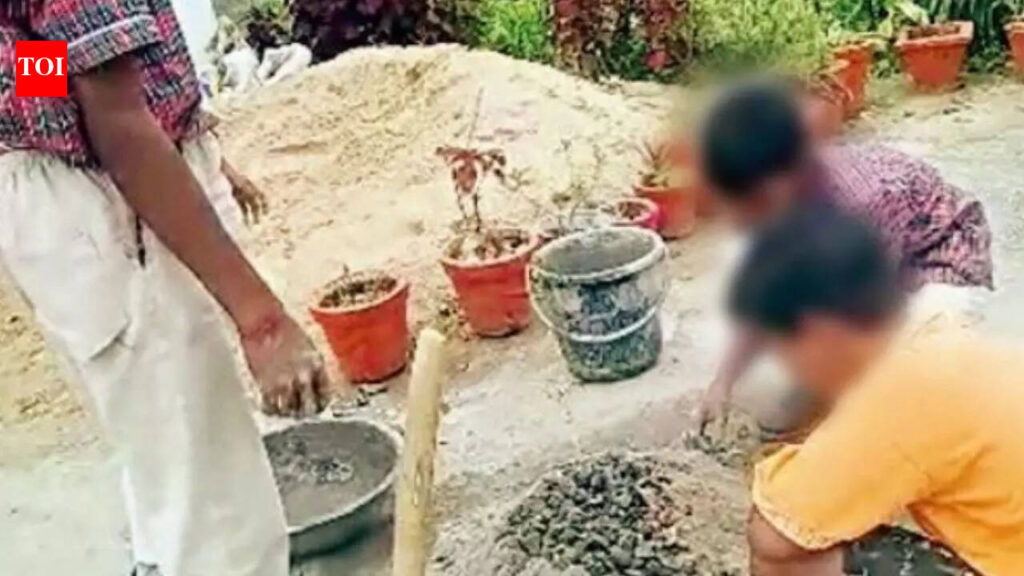
According to reports, the principal of Mukhya Mantri DAV Public School in Tilsiva allegedly compelled RTE students to perform physical labour, including carrying cement and sand and painting classrooms. The principal reportedly threatened students with expulsion if they refused to work, and dismissed concerns from parents stating that since the children received free bags, books, and uniforms under the RTE quota, parents had no grounds for complaint.
The court’s decision to take up the matter immediately is a testament to the seriousness with which it views the allegations. The Right to Education Act guarantees every child the right to free and compulsory education, and forcing students into physical labour is a clear violation of this right.
The Importance of the Right to Education Act
The Right to Education Act in India is a landmark legislation that aims to provide every child with access to quality education. The act makes it mandatory for the government to provide free and compulsory education to all children between the ages of 6 and 14, and ensures that every child has the opportunity to reach their full potential.
However, the implementation of the act has been marred by several challenges, including a lack of infrastructure, inadequate funding, and a shortage of qualified teachers. The incident in Surajpur district highlights the need for greater oversight and accountability in the education system, and the need for stricter enforcement of the act.
The Role of the Chhattisgarh High Court
The Chhattisgarh High Court has played a crucial role in addressing the issue of RTE students being forced into physical labour. The court’s decision to take up the matter immediately and direct the state school education secretary to file a personal affidavit is a significant step towards ensuring that the rights of the students are protected.
The court’s actions demonstrate its commitment to upholding the principles of the Indian Constitution, which guarantees every citizen the right to equality, justice, and freedom. The court’s decision also highlights the importance of an independent and impartial judiciary in ensuring that the rule of law is upheld and that the rights of citizens are protected.
Conclusion
The incident in Surajpur district is a stark reminder of the challenges that the Indian education system faces. The Chhattisgarh High Court‘s decision to take up the matter and direct the state school education secretary to file a personal affidavit is a significant step towards addressing the issue and ensuring that the rights of RTE students are protected. It is essential that the government and other stakeholders take immediate action to address the challenges facing the education system and ensure that every child has access to quality education.