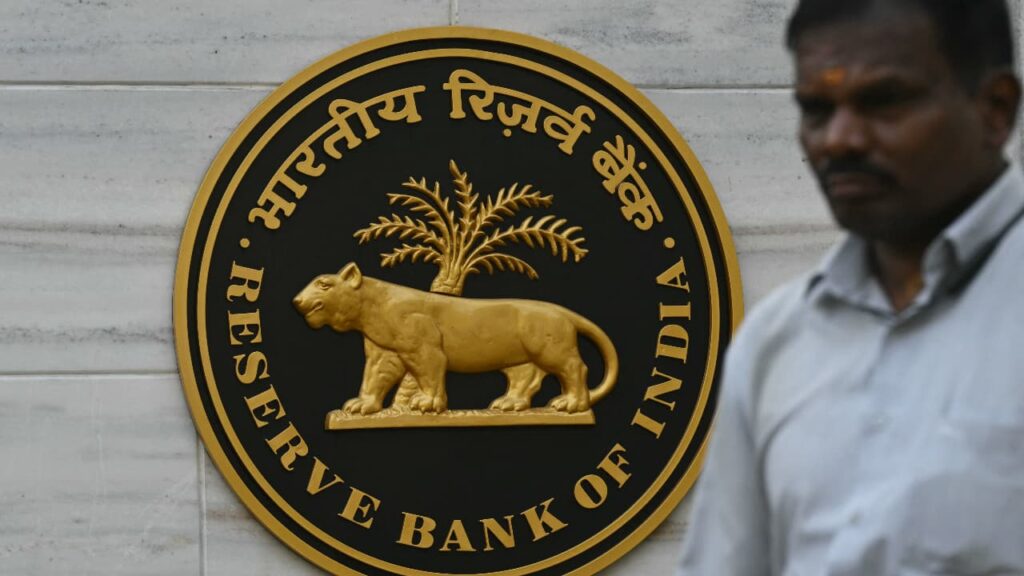
RBI Allows Banks to Extend Relief Measures to Borrowers in Disaster-Hit Areas
The Reserve Bank of India (RBI) has issued revised guidelines allowing banks to extend relief measures to borrowers in disaster-hit areas without waiting for their requests, effective from July 1, 2026. This move aims to provide immediate assistance to those affected by natural calamities, enabling them to recover quickly.
Key Highlights of the Revised Guidelines
The RBI has permitted lenders to extend relief measures to all borrowers in calamity-hit areas, including fee waivers and restoration of ATM services. Borrowers will be eligible for resolution if their accounts are classified as ‘Standard’ and not in default for more than 30 days with the bank as on the date of occurrence of the calamity.
Provisions for Borrowers in Disaster-Hit Areas
The RBI has mandated that a bank should make an additional specific provision of 5% of the outstanding debt in respect of borrowers for whom a resolution plan has been implemented. This provision will be over and above the applicable prudential provisions, subject to a ceiling of 100%.
Furthermore, the RBI has allowed banks to operate their calamity-affected branches from temporary premises and make arrangements to render banking services in the affected areas by setting up satellite offices, extension counters, or mobile banking facilities under intimation to the Reserve Bank.
Restoration of ATM Services
Banks are required to take immediate action for the restoration of ATM services at the earliest. During the period, they shall provide alternative arrangements to address the immediate cash requirements of the affected areas.
Eligibility Criteria for Borrowers
Borrowers will be eligible for resolution if their accounts are classified as ‘Standard’ and not in default for more than 30 days with the bank as on the date of occurrence of the calamity. Borrower accounts that may have slipped into NPA between the date of occurrence of the calamity and implementation of the resolution plan shall be upgraded as ‘Standard’ upon implementation of the resolution plan.
Additional Provisions for Borrowers
The RBI has mandated that a bank should make an additional specific provision of 5% of the outstanding debt in respect of borrowers for whom a resolution plan has been implemented. This provision will be over and above the applicable prudential provisions, subject to a ceiling of 100%.
Opt-Out Clause for Borrowers
Lenders are permitted to extend the relief measures to all borrowers without waiting for a request from them, with an opt-out clause for such borrowers who desire to opt out at any point till the end of 135 days from the date of declaration of natural calamity.
Impact on the Banking Sector
The revised guidelines are expected to have a positive impact on the banking sector, as they will enable banks to provide immediate assistance to borrowers in disaster-hit areas. This move will also help to reduce the burden on borrowers and enable them to recover quickly from the effects of natural calamities.
Conclusion
In conclusion, the RBI’s revised guidelines for disaster relief measures are a welcome move, as they will provide immediate assistance to borrowers in disaster-hit areas. The guidelines are expected to have a positive impact on the banking sector and will enable banks to play a more active role in providing relief to those affected by natural calamities. For more information on banking sector news and financial news, please visit our website.