India Tops Global IPO Volumes: 5 Key Highlights from SEBI’s November Bulletin
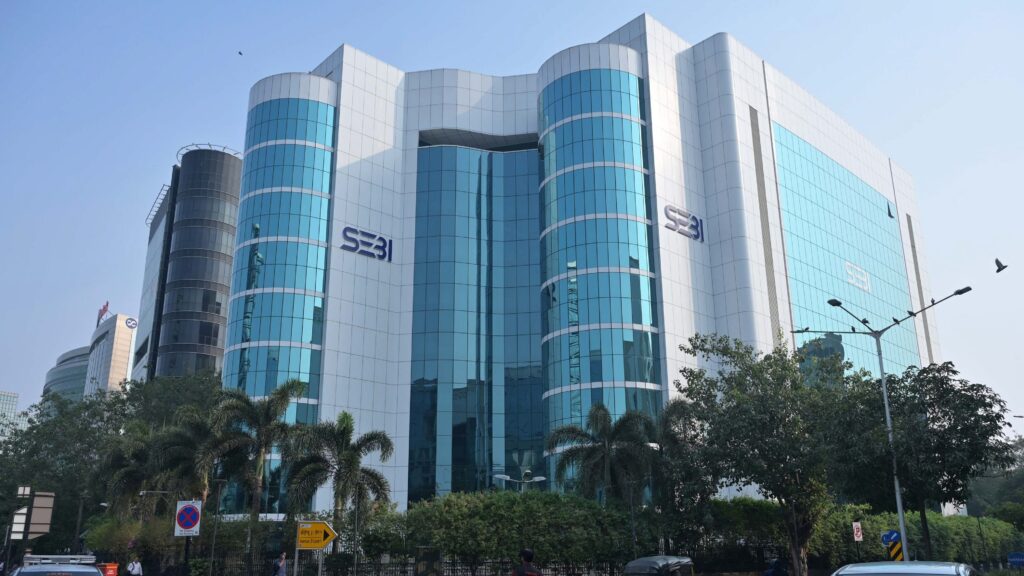
India’s capital markets regulator, the Securities and Exchange Board of India (SEBI), has released its monthly bulletin for November 2025, highlighting the key trends that shaped the country’s financial landscape. According to the bulletin, initial public offerings (IPOs) and secondary market action, foreign capital swings, mutual fund and asset movement, along with policy developments in the securities market, were the noteworthy trends.
Record IPO Fundraising
Following a record month of IPO fundraising in October, November remained robust despite a moderation of 18%. A total of 22 companies were listed across the National Stock Exchange (NSE) and Bombay Stock Exchange (BSE), mobilizing Rs 33,507 crore, marking the second-highest monthly resource gathered in FY25. With 22 listings, India led globally in terms of the number of IPOs or IPO volumes.
For more information on IPOs, visit our page on IPO news to stay updated on the latest trends and developments.
Offer-for-Sale Dominates Mainboard Listings
Offer-for-sale (OFS) emerged as the dominant component of mainboard listings last month. Of the 22 companies listed, 12 were on the mainboard, collectively raising Rs 33,014 crore. Of this amount, 36% was mobilized through fresh issuances, while the remaining 64% was through OFS.
To learn more about OFS and its impact on the stock market, check out our article on Offer for Sale explained.
Financial Services Leads Mainboard IPOs
Financial services accounted for a third of the total amount raised via mainboard IPOs in FY26 (up to November), followed by consumer durables, consumer services, and capital goods. The top four sectors raised Rs 96,068 crore, accounting for 69% of the total amount raised by mainboard IPOs.
For a detailed analysis of the financial services sector, visit our page on Financial services sector analysis.
Indian Equity Markets Advance
Indian equity markets continued to advance for the third consecutive month in November. The benchmark indices, Nifty and Sensex, posted 1.9% and 2.1% returns, respectively. The rally was relatively narrow, with the broader midcaps edging higher while the small caps declined.
To stay updated on the latest market trends and analysis, visit our page on Indian equity market news.
Nifty IT Leads Sectoral Gains
Nifty IT (at 4.7%) was the top performer, with IT heavyweights leading the gains amid stable export demand and deal wins. The market turnover in the equity cash segment fell 4.2% at NSE and 2% at BSE.
For more information on the IT sector, check out our article on Nifty IT sector analysis.
Foreign Capital Swings
The net investment by Foreign Portfolio Investors (FPIs) across all segments stood at Rs 2,836 crore, compared to net inflows of Rs 35,598 crore registered in October. FPIs turned net sellers of Rs 3,765 crore in Indian equities last month, reversing the buying of Rs 14,610 crore seen in October after three straight months of outflows.
For a detailed analysis of FPI trends, visit our page on Foreign portfolio investors trends.
Mutual Fund Industry Assets Rise
Assets under management of the mutual fund industry rose to Rs 80.8 lakh crore by November, an increase of 23% since the end of March 2025. During FY26 (up to November), gross funds mobilized by mutual funds were Rs 99.82 lakh crore against the redemption of Rs 91.90 lakh crore, resulting in a net inflow of Rs 7.92 lakh crore.
For more information on mutual funds, check out our article on Mutual fund industry trends.
Reclassification of REITs
The reclassification of Real Estate Investment Trusts (REITs) as equity-related instruments for facilitating enhanced participation by mutual funds and Specialized Investment Funds (SIFs) will come into effect from January 1, 2026. Any investment made by mutual funds and SIFs in REITs will be considered as investment in equity-related instruments.
For a detailed analysis of REITs, visit our page on Real Estate Investment Trusts explained.