Today’s market news highlights rising bond yields, crude oil volatility, FII selling, and rupee pressure. Here’s what Indian investors should know.
Indian Markets Opened Strong — But Fear Still Exists Beneath the Surface
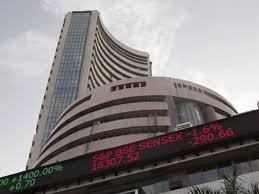
At first glance, today’s market action looked normal.
Indices showed resilience.
Selective sectors rallied.
Retail investors continued buying dips.
But underneath the surface, global macro pressure is quietly building again.
Today’s market sentiment is being influenced by:
- Rising US bond yields
- Crude oil volatility
- Dollar strength
- FII selling pressure
- Rupee weakness
- Global geopolitical uncertainty
And smart investors know something important:
Markets are no longer moving only on company earnings.
Today, global liquidity and macroeconomics are becoming the biggest market drivers again.
That’s why understanding today’s market news requires looking beyond just stock prices.
What Happened in Markets Today?
Indian markets traded cautiously today as investors tracked:
- US Treasury yields
- Brent crude oil prices
- FII activity
- RBI intervention signals
- Global market sentiment
While domestic buying helped stabilize indices, volatility remained high due to global uncertainty.
Several sectors witnessed sharp intraday swings as traders reacted to macro headlines rather than company-specific developments.
This is becoming increasingly common in 2026.
1. Bond Yields Remained the Biggest Global Trigger
One of the most important developments today was continued pressure from rising US bond yields.
The US 10-year Treasury yield stayed elevated as markets worried about:
- Persistent inflation
- Delayed Fed rate cuts
- Higher borrowing requirements
- Sticky economic strength
Why does this matter for Indian markets?
Because higher US yields attract global capital toward safer American assets.
This creates pressure on:
- Emerging markets
- FIIs flows
- Risk appetite
And India feels that impact quickly.
Why Bond Yields Matter More Than Retail Investors Think
Most beginners ignore bond markets.
But institutional investors watch yields very closely.
Because bond yields influence:
- Liquidity
- Valuations
- Risk appetite
- Currency flows
When yields rise aggressively:
- Tech stocks struggle
- FIIs become cautious
- Emerging markets become volatile
That’s exactly what markets are reacting to now.
🧠 What You Should Remember
Bond yields are becoming the “stress meter” of global markets again.
When yields remain high, markets become more sensitive to bad news.
2. Crude Oil Prices Continued Creating Inflation Fear
Another major factor impacting today’s market sentiment was crude oil volatility.
Brent crude remained elevated due to:
- Middle East tensions
- Supply disruption fears
- OPEC+ production discipline
- Shipping concerns
And for India, oil prices are extremely important.
Because India imports most of its energy requirements.
Why Oil Prices Matter So Much for Indian Markets
Higher oil prices impact:
- Inflation
- Fiscal deficit
- Rupee stability
- Corporate margins
- Consumer spending
Think of crude oil like fuel for the economy.
If fuel becomes expensive:
- Transportation costs rise
- Logistics become expensive
- Businesses face margin pressure
Eventually:
- Inflation spreads through the economy.
That’s why markets become nervous whenever oil spikes sharply.
Which Sectors Are Most Sensitive to Oil?
Today, pressure was visible in:
- Aviation
- Paint companies
- Logistics
- Oil marketing companies
Meanwhile:
- Energy-related businesses remained relatively stronger.
🧠 What You Should Remember
Crude oil is no longer just an “energy story.”
It is now directly connected to:
- Inflation
- Interest rates
- Currency stability
- Market sentiment
3. The Dollar Index Is Quietly Dominating Global Markets
The Dollar Index (DXY) continued remaining strong today.
And this matters enormously.
Because a stronger dollar creates pressure on:
- Emerging markets
- Commodities
- Global liquidity
- FIIs flows
The dollar is strengthening mainly because:
- US yields remain elevated
- Investors seek safety
- Global uncertainty is increasing
This combination creates stress for risk assets globally.
Why Dollar Strength Hurts India
When the dollar strengthens:
- Rupee weakens
- Oil imports become expensive
- FIIs reduce exposure
- Inflation pressure increases
This creates a difficult balancing act for the RBI.
Today’s currency market action reflected exactly these concerns.
The Bigger Liquidity Story
Think of the dollar like water pressure inside global finance.
When DXY rises sharply:
- Global liquidity tightens
- Risk appetite weakens
- Emerging markets struggle
That’s why institutional investors monitor the Dollar Index daily.
🧠 What You Should Remember
The dollar quietly impacts:
- Stocks
- Gold
- Oil
- Inflation
- FIIs flows
- Consumer spending
Almost everything connects back to dollar liquidity eventually.
4. FIIs Remained Cautious Today
Foreign Institutional Investors continued showing caution in Indian equities.
The reasons are clear:
- Higher US yields
- Dollar strength
- Global uncertainty
- Better developed-market bond returns
This has created inconsistent FII participation recently.
Some days witness aggressive selling.
Other days show selective buying.
But overall, FIIs are becoming more defensive globally.
But Domestic Investors Are Holding Markets Strong
One of the biggest positive developments in Indian markets today is the strength of domestic participation.
SIP inflows continue supporting equities aggressively through:
- Mutual funds
- Retail participation
- Insurance flows
This structural change is becoming increasingly important.
For years:
- FIIs controlled Indian markets completely.
Now:
- DIIs are becoming powerful enough to absorb large portions of foreign selling.
That’s a massive long-term shift.
🧠 What You Should Remember
FIIs still influence short-term volatility.
But India is slowly becoming more domestically driven structurally.
5. Geopolitical Tensions Are Keeping Markets Nervous
Another major factor influencing today’s sentiment is global geopolitical uncertainty.
Markets remain worried about:
- Middle East tensions
- Energy supply risks
- Trade disruptions
- Global strategic conflicts
Whenever uncertainty rises:
- Oil spikes
- Dollar strengthens
- Safe-haven demand increases
- Equities become volatile
This explains why intraday market moves are becoming sharper now.
Why Markets Are Reacting More Aggressively in 2026
For years, markets were protected by:
- Cheap money
- Easy liquidity
- Ultra-low interest rates
But today:
- Inflation remains elevated
- Central banks are cautious
- Liquidity is tighter
This means markets can no longer ignore macro risks easily.
That’s why reactions have become more intense.
🧠 What You Should Remember
The era of effortless liquidity is slowly fading.
And macroeconomics is becoming important again.
Which Sectors Performed Better Today?
Despite volatility, some sectors remained relatively resilient:
- IT
- Pharma
- Energy
- Select export-oriented businesses
Why?
Because:
- Rupee weakness helps exporters
- Defensive sectors attract safety buying
Which Sectors Faced Pressure?
Weakness remained visible in:
- Aviation
- Consumption-heavy businesses
- High-valuation growth stocks
- Import-dependent sectors
Because these businesses are more vulnerable to:
- Inflation
- Oil prices
- Higher borrowing costs
What Smart Investors Are Watching Daily Now
Professional investors are increasingly focused on:
- US bond yields
- Dollar Index (DXY)
- Crude oil prices
- RBI commentary
- FII flows
- Inflation data
Because markets today are heavily macro-driven.
Not just earnings-driven.
This is a major shift from previous years.
Common Mistakes Retail Investors Are Making in This Market
Mistake 1: Ignoring Macro Signals
Many retail investors still focus only on stock-specific news.
But macro trends are driving markets aggressively now.
Mistake 2: Blindly Buying Every Dip
Not every correction recovers instantly during tighter liquidity cycles.
Mistake 3: Overusing Leverage
High volatility punishes excessive risk-taking quickly.
Mistake 4: Chasing Momentum Emotionally
Sharp rallies and sharp falls are both becoming more common.
Emotional decisions become dangerous during such phases.
🧠 What You Should Remember
The smartest investors focus first on:
- Risk management
- Capital protection
- Emotional discipline
Especially during volatile macro cycles.
The Bigger Reality: Markets Are Entering a More Complex Era
Today’s market action reflects something much bigger happening globally.
Markets are no longer moving only because of:
- Company earnings
- Technical charts
- Retail optimism
Now they are increasingly driven by:
- Bond yields
- Oil prices
- Inflation
- Currency markets
- Global liquidity
This creates a more difficult investing environment.
But also a more intelligent one.
Because eventually:
- Discipline matters again
- Valuations matter again
- Fundamentals matter again
Final Thoughts: Today’s Market News Is About Much More Than Just Stocks
Today’s market volatility was not random.
It reflected multiple global pressures colliding together:
- Rising yields
- Oil volatility
- Dollar strength
- FII caution
- Geopolitical fear
And these forces are likely to remain important throughout 2026.
The key lesson?
Investors can no longer afford to ignore macroeconomics.
Because today:
- Bond yields affect equities
- Oil affects inflation
- Dollar strength affects FIIs
- Geopolitics affects everything
And smart investing now requires understanding how all these forces connect together.