Introduction to Israel’s Changing Status in the Middle East
Israel has returned to its pre-Abraham Accords status as a ‘mistress’ in the Middle East, with its relationships with regional countries now being conducted behind the scenes. This shift has significant implications for Indian investors, who must consider the potential impact on global markets and trade agreements.
The Abraham Accords: A Brief History
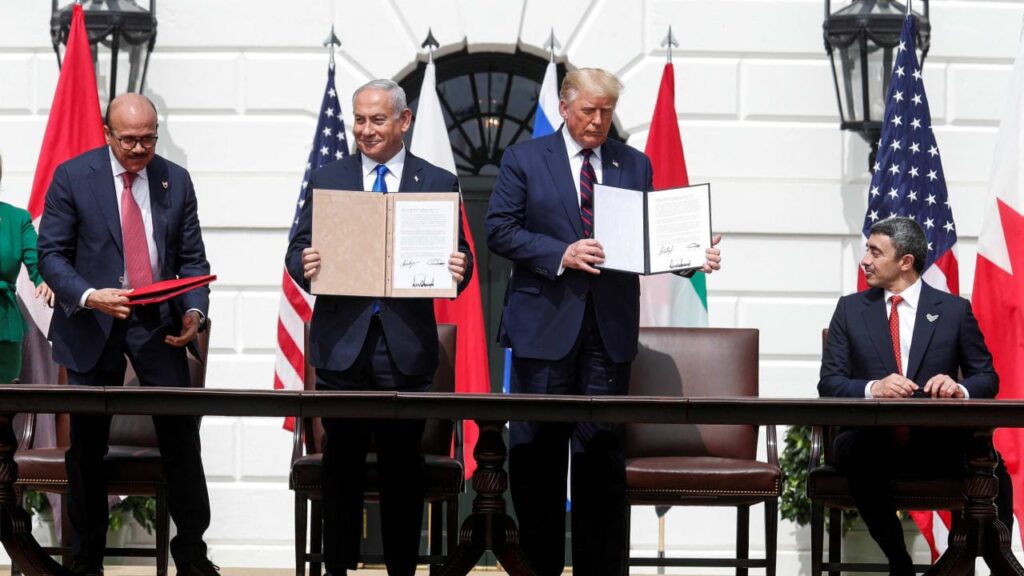
The Abraham Accords, signed in 2020, marked a significant shift in Israel’s relationships with several countries in the region, including the United Arab Emirates, Morocco, and Bahrain. The Accords led to increased cooperation between Israel and these countries, including in areas such as military cooperation, arms procurement, and civil society exchanges.
However, the recent conflict with Iran has led to a decline in Israel’s influence in the region, with many countries now preferring to conduct business with Israel discreetly rather than publicly. This has resulted in Israel losing its special status as a country capable of helping other states access and favor in Washington.
Implications for Indian Investors
For Indian investors, the decline of Israel’s influence in the Middle East has significant implications. India has traditionally maintained good relations with several countries in the region, including the United Arab Emirates and Iran. However, the changing dynamics in the region may require Indian investors to reassess their strategies and consider the potential impact on global markets and trade agreements.
One key area of concern is the potential impact on oil prices. As a major importer of oil, India is vulnerable to fluctuations in global oil prices. The recent conflict in the Middle East has already led to increased volatility in oil prices, and Indian investors must be prepared for further fluctuations.
Another area of concern is the potential impact on trade agreements. India has several trade agreements with countries in the Middle East, including the United Arab Emirates and Iran. However, the changing dynamics in the region may require India to reassess these agreements and consider new opportunities for trade and investment.
Opportunities for Indian Investors
Despite the challenges posed by the decline of Israel’s influence in the Middle East, there are also opportunities for Indian investors. The region is home to several rapidly growing economies, including the United Arab Emirates and Saudi Arabia. Indian investors can consider investing in these economies, either directly or through partnerships with local companies.
Additionally, the decline of Israel’s influence in the region may create opportunities for India to increase its own influence. India has traditionally maintained good relations with several countries in the region, and can consider increasing its engagement with these countries to promote its own interests.
For more information on investing in the Middle East, Indian investors can visit https://sharemarketcoder.in/?s=Middle+East+investing. They can also consider consulting with financial advisors who specialize in international investing.
Conclusion
In conclusion, the decline of Israel’s influence in the Middle East has significant implications for Indian investors. While there are challenges posed by the changing dynamics in the region, there are also opportunities for Indian investors to increase their engagement and promote their own interests. By staying informed and adapting to the changing landscape, Indian investors can navigate the complexities of the Middle East and make informed investment decisions.