Today’s global market news is driven by AI optimism, rising bond yields, crude oil volatility, and dollar strength. Here’s what investors must understand.
Global Markets Are Rallying Again — But Something Feels Unstable Beneath the Surface
At first glance, global markets look surprisingly strong today.
The:
- Nasdaq is near record highs
- AI stocks continue rallying
- Chipmakers are surging
- Global equities are recovering
But underneath the optimism, financial markets are quietly dealing with major stress.
Today’s market environment is being shaped by two completely opposite forces:
Force 1:
AI-driven optimism and strong corporate earnings
Force 2:
Rising bond yields, inflation fears, oil volatility, and geopolitical uncertainty
And this tug-of-war is creating one of the most complicated investing environments in recent years.
From Wall Street to Asian markets, investors are trying to answer one critical question:
Can AI optimism continue overpowering macroeconomic pressure?
Right now, markets are attempting to say “yes.”
But volatility is increasing sharply.
What Happened in Global Markets Today?
Global equities traded higher today as investors reacted positively to:
- Continued AI momentum
- Semiconductor rally
- Cooling bond yields
- Hopes of easing US-Iran tensions
The S&P 500 and Nasdaq remained near record highs, driven heavily by AI-linked stocks and semiconductor companies.
Meanwhile:
- Oil prices pulled back slightly
- Bond yields eased temporarily
- The dollar remained firm
- Global investors stayed cautious about inflation risks
This is why today’s market rally still feels fragile.
AI Optimism Is Still Dominating Wall Street

The biggest story globally right now is simple:
AI enthusiasm remains extremely powerful.
Chipmakers and AI infrastructure companies continue leading markets higher.
Micron recently crossed the $1 trillion valuation mark as investors aggressively priced in future AI demand.
This follows the broader trend already created by:
- NVIDIA
- AMD
- AI cloud infrastructure spending
- Data center expansion
Why AI Stocks Keep Rising
Markets believe artificial intelligence could become:
- The biggest productivity revolution since the internet
- A multi-trillion-dollar infrastructure cycle
- A long-term earnings engine for tech companies
And investors are aggressively positioning for that future.
AI spending is now impacting:
- Semiconductor demand
- Data center expansion
- Energy consumption
- Cloud infrastructure
- Global capital expenditure cycles
Even industrial metals and energy demand are rising partly because of AI-related infrastructure growth.
The Market’s New Belief System
For years, markets depended mainly on:
- Cheap liquidity
- Low interest rates
Now AI has become a new source of optimism.
Investors increasingly believe:
AI productivity gains may offset economic slowdown fears.
That belief is currently supporting equities globally.
🧠 What You Should Remember
AI is no longer just a technology story.
It’s becoming:
- A market liquidity story
- An infrastructure story
- An energy story
- A global investment cycle
But Bond Yields Are Still Warning Investors
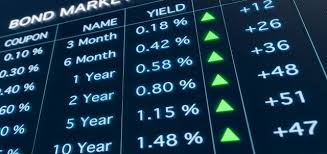
Despite the AI rally, bond markets are sending a more cautious message.
Global investors remain worried about:
- Sticky inflation
- Rising government borrowing
- Elevated fiscal deficits
- Delayed rate cuts
Even though US Treasury yields eased slightly today, they remain historically elevated.
And that matters enormously.
Why Bond Yields Matter So Much
Higher yields change how investors value risk assets.
If investors can earn attractive returns from safer government bonds:
- Expensive growth stocks become vulnerable
- Liquidity tightens
- Valuations face pressure
This is why every major rally now feels sensitive to:
- Inflation data
- Fed commentary
- Bond auctions
Markets are constantly recalculating:
“How long will rates stay high?”
The Hidden Fear Beneath the Rally
Here’s the important part most retail investors miss:
The market rally is becoming increasingly narrow.
A handful of AI-driven companies are carrying enormous market optimism.
Meanwhile:
- Bond markets remain nervous
- Inflation concerns persist
- Oil volatility continues
That divergence is important.
🧠 What You Should Remember
AI optimism is currently overpowering macro fear —
but bond markets are warning that risks still exist underneath.
Crude Oil Volatility Is Keeping Markets Nervous
Another major global story today is crude oil.
Oil prices fell slightly after hopes of a fragile US-Iran truce improved market sentiment.
But despite today’s decline:
- Oil remains historically elevated
- Supply risks still exist
- Geopolitical tensions remain unresolved
And markets know this situation can reverse quickly.
Why Oil Still Matters So Much
Many younger investors underestimate crude oil’s importance.
But oil still impacts:
- Inflation
- Transportation
- Manufacturing
- Consumer spending
- Interest rates
If oil spikes aggressively:
- Inflation rises globally
- Central banks become cautious
- Rate cuts get delayed
That hurts market sentiment quickly.
The Middle East Factor
Global markets remain highly sensitive to:
- Strait of Hormuz disruptions
- US-Iran tensions
- Shipping route risks
- OPEC+ decisions
Even temporary geopolitical headlines are causing:
- Sharp oil swings
- Currency volatility
- Bond market reactions
This explains today’s fragile market mood.
🧠 What You Should Remember
Oil is acting like a “macro volatility amplifier” right now.
Even small geopolitical developments are moving global markets aggressively.
The Dollar Is Quietly Staying Strong

The Dollar Index (DXY) remains firm despite market optimism today.
And this matters more than most people realize.
A strong dollar creates pressure on:
- Emerging markets
- Commodities
- Global liquidity
- Risk appetite
Why the Dollar Is Staying Strong
The dollar is benefiting from:
- Higher US yields
- Safe-haven demand
- Global uncertainty
- Relatively resilient US economic data
This creates a difficult environment for emerging economies.
Especially countries dependent on:
- Imported energy
- Foreign capital
- Dollar-denominated trade
Why India Is Watching DXY Closely
For India:
- Strong dollar = weaker rupee
- Higher oil import costs
- Increased inflation pressure
- FII caution
That’s why Indian markets are becoming increasingly connected to global dollar liquidity conditions.
🧠 What You Should Remember
The Dollar Index is quietly becoming one of the most important charts globally again.
Because liquidity still drives markets.
Global Markets Are Sending Mixed Signals
This is what makes today’s market environment so fascinating.
On one side:
- AI optimism
- Strong earnings
- Tech leadership
On the other side:
- Inflation risks
- Bond yield pressure
- Geopolitical uncertainty
- Expensive valuations
Both forces are fighting simultaneously.
And markets are becoming extremely sensitive to headlines because of this conflict.
Why Volatility Is Increasing Sharply
During easy liquidity periods:
- Markets ignore risks easily.
But today:
- Interest rates are higher
- Inflation remains sticky
- Oil prices are unstable
- Fiscal concerns are rising
This creates a much more fragile environment.
That’s why:
- Small news creates big reactions
- Markets swing sharply intraday
- Investor sentiment changes quickly
🧠 What You Should Remember
This is no longer a simple “bull market.”
It’s a market balancing optimism and macro risk simultaneously.
Which Global Sectors Are Leading Today?
1. Semiconductor Stocks
AI-driven chip demand continues supporting:
- Memory manufacturers
- GPU companies
- Data infrastructure firms
2. Cloud & AI Infrastructure Companies
Markets expect AI spending cycles to continue growing aggressively.
3. Energy Stocks
Energy companies remain sensitive to crude oil volatility.
4. Defensive Sectors
Healthcare and utilities are also attracting selective safety buying.
Which Areas Remain Vulnerable?
Pressure remains visible in:
- Rate-sensitive tech
- Small caps
- Highly leveraged businesses
- Consumer discretionary sectors
Especially if:
- Bond yields rise again
- Oil prices surge again
What Smart Investors Are Watching Closely
Professional investors are currently focused on:
- US bond yields
- Oil prices
- AI earnings momentum
- Dollar Index (DXY)
- Inflation data
- Federal Reserve commentary
Because these variables are driving global markets much more than traditional stock-specific news.
Common Mistakes Retail Investors Are Making Right Now
Mistake 1: Thinking AI Can Ignore Macro Risks Forever
AI is powerful —
but liquidity and interest rates still matter enormously.
Mistake 2: Ignoring Bond Markets
Bond yields are now driving market sentiment aggressively.
Mistake 3: Assuming Volatility Means Market Collapse
Higher volatility is normal during macro transitions.
Mistake 4: Overtrading Headlines Emotionally
Markets are reacting rapidly to:
- Oil
- Inflation
- Geopolitics
- Fed signals
Emotional trading becomes dangerous in such conditions.
🧠 What You Should Remember
The smartest investors stay calm during noisy markets.
Because volatility often creates opportunity for disciplined investors.The Bigger Picture: Global Markets Are Entering a New Era
One thing is becoming increasingly clear:
Markets are no longer driven only by easy liquidity.
Today’s market environment is shaped by:
- AI optimism
- Inflation concerns
- Fiscal deficits
- Geopolitical risk
- Bond yield volatility
- Energy market instability
This creates a much more complex investing cycle.
But also a more intelligent one.
Because now:
- Fundamentals matter again
- Cash flows matter again
- Macro understanding matters again
Final Thoughts: Today’s Market Rally Is Powerful — But Fragile
Global markets are rallying today because:
- AI enthusiasm remains extremely strong
- Earnings continue supporting optimism
- Investors believe innovation can sustain growth
But beneath the rally:
- Bond markets remain nervous
- Oil risks remain active
- Inflation fears still exist
- Dollar liquidity remains tight
And that’s why volatility is increasing sharply again.
The key lesson?
Global markets are entering a high-stakes phase where AI optimism and macro fear are colliding together daily.
The investors who understand both sides of this equation —
technology and macroeconomics —
may navigate this environment far better than others.