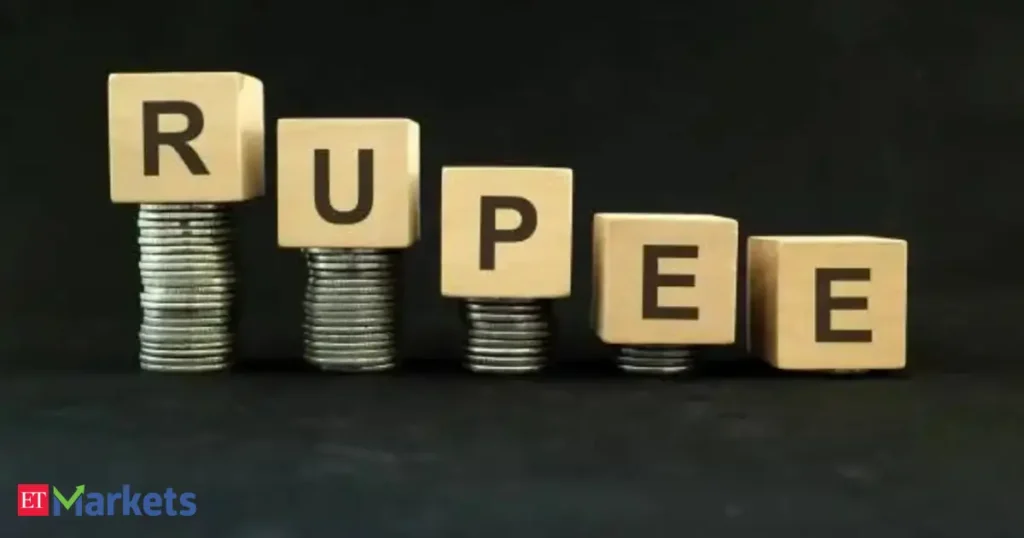
Rupee Depreciation: A Complex Issue
The Indian rupee has been on a downward trajectory, and the recent conflict in West Asia has only accelerated this trend. However, it’s essential to understand that the rupee’s depreciation is not solely the result of the war. India’s economic fundamentals need to be re-examined to provide better support for the currency.
Short-Term Measures
In the short term, raising domestic interest rates could help stem the rupee’s decline. Higher interest rates would make Indian assets more attractive to foreign investors, thereby increasing demand for the rupee and supporting its value. Additionally, equalizing onshore tax regulations for different asset classes could also help reduce the attractiveness of foreign assets and encourage investment in India.
For instance, investors can consider stock market investment as a viable option. The Indian stock market has shown resilience in the face of global uncertainty, and a well-diversified portfolio can help mitigate risks.
Longer-Term Solutions
In the longer term, India needs to focus on building a more robust economy that is less dependent on external factors. This can be achieved by implementing policies that promote economic growth, increase foreign exchange reserves, and reduce the country’s reliance on imports.
One way to achieve this is by promoting export-led growth. By increasing exports, India can earn more foreign exchange, which can help support the rupee’s value. Additionally, the government can implement policies that encourage domestic production and reduce the country’s reliance on imports.
Impact on Indian Investors
The rupee’s depreciation can have a significant impact on Indian investors, particularly those who have invested in foreign assets. A weaker rupee can reduce the value of their investments, making it essential for them to hedge their currency risk.
However, the rupee’s depreciation can also create opportunities for Indian investors. A weaker rupee can make Indian assets more attractive to foreign investors, which can lead to an increase in foreign investment in the country. This, in turn, can help support the rupee’s value and promote economic growth.
Conclusion
In conclusion, the rupee’s depreciation is a complex issue that requires a comprehensive approach. While short-term measures such as raising interest rates and equalizing tax regulations can help, it’s essential to focus on longer-term solutions that promote economic growth and reduce the country’s reliance on external factors.
Indian investors need to be aware of the risks and opportunities associated with the rupee’s depreciation and take steps to mitigate their risks. By doing so, they can navigate the challenges posed by the rupee’s depreciation and make informed investment decisions.
Stay Ahead of the Curve
To stay ahead of the curve, it’s essential to stay informed about the latest developments in the Indian economy and the rupee’s value. Investors can follow stock market news and analysis to stay up-to-date with the latest trends and developments.
Additionally, investors can consider consulting with financial experts or investment advisors to get personalized advice on how to navigate the challenges posed by the rupee’s depreciation.