YouTube ad revenue hits record highs—discover how the YouTube business model is evolving, and what Indian creators, marketers and entrepreneurs must do.
Have you ever wondered why your favourite YouTube creator in Mumbai seems to be posting more often, experimenting with new formats or launching a merch drop? It’s not just a trend—it’s tied to the fact that YouTube ad revenue is soaring to new highs. For any creator, marketer or entrepreneur in India thinking: “What’s next for me on this platform?”, this spike is your signal to pay attention.

Because when a platform like YouTube starts pushing billions more in ad income, the ripple effects reach far beyond Silicon Valley—right into Indian homes, start-ups and side-hustles. In this blog we’ll unpack exactly why YouTube’s ad revenue jump matters, how it’s happening, what it means for India, and how you can act on it—without getting lost in jargon.
Why the Surge in YouTube Ad Revenue Matters
When YouTube begins reporting double-digit growth in advertising income, it’s not just good news for shareholders—it impacts creators and digital businesses everywhere.
What’s happening behind the numbers
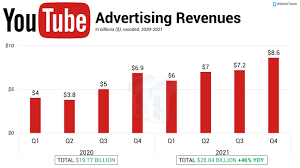
- In Q1 2025, YouTube’s ad revenue rose about 10.3 % year-on-year, coming in at approximately US$ 8.93 billion.
- Later reports indicate the ad-revenues have crossed over US$ 10 billion in more recent quarters.
- Growth is driven not just by traditional long-form video ads, but also by newer formats (shorts, mobile, interactive ads), and direct-response ads (ads designed for immediate action).
Why you should care
- For creators: Higher ad revenue means more budget for creators, more types of ad formats to experiment with, and greater monetisation options.
- For marketers: It means YouTube is still a growing, valuable ad channel—not one you ignore. The platform is evolving, the ad-formats are more varied, and the attention economy is shifting.
- For Indian entrepreneurs & side-hustlers: It’s a signal that YouTube remains a viable platform to build presence, generate leads, monetise content or launch products—even if you’re based in Hyderabad, Bengaluru or a tier-2 city.
Key takeaway: The rise in YouTube ad revenue reflects a bigger shift: video ad spend is accelerating, formats are diversifying, and platforms like YouTube are adapting. If you’re active in digital, this matters for your strategy.
How YouTube is Growing Its Monetisation Engine
YouTube’s growth in ad revenue isn’t accidental—it comes from deliberate shifts in strategy, formats and monetisation design. Let’s break down the key levers.
Direct-response meets brand advertising
- YouTube reports that growth in ad revenue is being driven by direct-response advertising (ads that ask viewers to act: click, subscribe, purchase) followed by brand advertising
- For example: In India, an e-commerce brand might use a 15-second YouTube pre-roll asking: “Buy now, free shipping today”. That ad feeds the direct-response model.
- Meanwhile, longer-form brand-ads (telling a story, building awareness) still work—but increasingly with measurable results (clicks, conversions).
Format innovation: Shorts, TV, mobile
- Short-form video is now big: on YouTube, “Shorts” and mobile-viewing are affecting how ads work, what formats creators use, and how monetisation happens.
- The shift is like this: imagine the digital video world as a kitchen. Long-form content is the sit-down meal; Shorts are the quick snack or smoothie. Advertisers are now placing both kinds of orders, and paying accordingly.
- With mobile-first markets like India, this matters more—reach via mobile, shorter attention spans, local language content matter.
Global scale + localisation
- YouTube is a global platform—so when its ad revenue grows, it means more reach, more advertisers, more content types, more creators.
- But for India: local languages, regional creators, mobile-first behaviour all magnify the opportunity. The global number (billions of ad dollars) filters down to many smaller pockets of opportunity in India.
Monetising subscriptions and ad-hybrid

- Although our focus is on ad revenue, YouTube is also building out subscription models (like YouTube Premium) and combining ads + subscriptions. This hybrid model strengthens monetisation overall.
- For creators and marketers: it means the platform is less vulnerable to one format failing; diversification helps stability.
Key takeaway: YouTube’s ad revenue growth is powered by aligning new ad-formats (direct-response, mobile, Shorts) with global scale and platform evolution. If you’re a creator or marketer, you should tune your strategy to these shifts.
What This Means for Indian Creators and Marketers
Now let’s zoom into the Indian context. If you’re in India, what should you read out of YouTube’s global ad-revenue surge?
Increased opportunities for regional creators
- With more ad money flowing, there’s stronger incentive for YouTube to grow creator ecosystems in non-English languages, Indian regional content, mobile-first formats.
- Example: A Telugu-language channel doing 5-minute mobile-friendly content can benefit from the same monetisation logic as a US channel—even if the CPM (cost-per-mile/ impression) is lower.
- Tip: Focus on engagement and value (not just views). Indian advertisers will pay if you deliver meaningful actions (clicks, signups, app installs) from your content.
Marketers: rethink your ad channels
- Many Indian marketers may still focus on Facebook/Instagram, or Google Search. But YouTube’s rising ad revenue means YouTube must factor into your mix more seriously.
- Especially for lead-generation or product launch campaigns in India: YouTube pre-rolls + Shorts + in-video ads + creator partnerships can yield great ROI.
- Mistake to avoid: Treating YouTube ads like “just another banner”. Instead, design them for mobile first, shorter attention spans, action-driven messages.
Entrepreneurs and side-hustles: content as asset
- If you’re building a business, offering a service or running a side-hustle in India, think of YouTube not just as a “fun channel” but as a potential revenue and conversion channel. The stronger monetisation trend means more viable paths.
- For example: A digital marketing consultant in Delhi could build a YouTube channel (regional language, 10-minute video tutorials), then monetise via ads and lead-generation. With higher ad budgets globally, smaller creators benefit.
- Also: Think of collaboration, local language, niche community building—these play nicely in India.
Cautions & realities
- Indian CPMs (advertiser payouts) may still be lower than in the US/UK. The global headline doesn’t instantly translate into equal payouts for all regions.
- Algorithm changes, content moderation rules, demonetisation risks still exist. Quality matters.
- Views alone are not enough. The monetisation model increasingly rewards engagement + action, not just passive views.
Key takeaway: The ad-revenue surge on YouTube presents real opportunities in India—but only if you adapt your content format, marketing mix and monetisation strategy to the Indian mobile-first, regional-language, short-attention-span reality.
Actionable Steps You Should Take Now
Alright—it’s great to understand the trend. But how do you act on it? Here are concrete steps you can take if you’re a creator, marketer or entrepreneur in India.
Step 1: Audit your YouTube presence
- If you have a channel: check your watch-time, audience retention, click-through rate of thumbnails, mobile vs desktop stats.
- If you’re a business using YouTube: check your ad-campaign metrics—what formats are you using? Are you leveraging Shorts? Are you optimising for mobile conversions?
- If you’re a beginner: set up a channel, experiment with 2-3 formats (e.g., 60-second mobile video, 5-minute tutorial, Shorts). Track what works.
Step 2: Experiment with ad formats and monetisation tracks
- Try direct-response style video ads: “Install our app”, “Book a trial today”, “Subscribe & get a free resource”. These are favoured in current ad-spend trends.
- Collaborate with creators for branded content in regional languages. Advertisers increasingly pay creators directly when they deliver conversions.
- Leverage Shorts: Create 15-60 second impactful videos targeting mobile-users. Even if ad-payouts are lower, volumes can help move metrics.
- Explore creator monetisation: If you produce content yourself, enable monetisation features (ad-revenue share, affiliate links, product mentions, merch). The stronger the platform’s ad revenue, the more likely your share increases.
Step 3: Adapt to India-specific best practices
- Use regional languages: Hindi, Tamil, Telugu, Kannada, Bengali—there’s huge audience growth.
- Mobile-first: Ensure videos load fast, have strong opening seconds, thumbnails that pop on mobile screens.
- Localised topics: Tutorials, lifestyle, tech reviews, “how-to”, regional news—all work well.
- Community building: Encourage comments, shares, engage with audience. Higher engagement often boosts monetisation.
- Analytics: Use YouTube Studio to understand where your drop-off is happening; optimise accordingly.
Step 4: Avoid common traps
- Trap: “Just upload lots of videos and let ad-revenue happen.” Reality: Quantity alone doesn’t guarantee monetisation. Engagement, retention, format matter.
- Trap: “Only English content matters.” Reality: Regional language content in India often has less competition and can yield strong results.
- Trap: “Views = money.” Reality: Views are just one metric. Monetisation increasingly tied to actions/conversions and format.
- Trap: Ignoring changes: Algorithmmodifications, ad-policy updates, demonetisation trends—stay aware.
Key takeaway: The ad-revenue environment on YouTube is favourable—but you’ll only benefit if you plan, experiment and optimise smartly. Don’t just wait; act.
Real-Life Analogy: The YouTube Kitchen
Think of YouTube’s platform as a big kitchen serving dishes to billions of diners worldwide. The “YouTube ad revenue surge” is like the restaurant chain deciding: “We will expand kitchen space, add new menus, and bring in more chefs—and we’re getting bigger orders.”
- The original long-form videos are like full-course meals.
- Shorts are like quick street-food snacks or tiffin boxes—rapid, mobile, inexpensive but high-volume.
- Advertisers are diners—some want a full meal (brand storytelling), some want quick takeaway (direct response).
- You (creator/marketer) are the chef-entrepreneur: you decide which menu you serve, what kitchen equipment (formats) you use, how you attract diners (audience), and how you deliver value (engagement, conversions).
- With the YouTube “kitchen” getting more investment (more chefs, more equipment, more diners), your chances of being discovered, paid, and scaled increase—but you still must cook something good, serve it well, and know what diners want.
Key takeaway: This analogy reminds us—platform investment matters, but your product (content/strategy) still must meet demand, be formatted right, and be well-served.
Conclusion & Call to Action
The fact that YouTube’s ad revenue is now breaking into the tens of billions isn’t just a tech-headline—it’s a signal. For Indian creators, marketers, entrepreneurs: the winds are favourable now, but the journey still needs skill, planning and action.
Ask yourself:
- What content format will I experiment with this week (Shorts, regional, tutorial, mobile-first)?
- How will I measure not just views, but true engagement and conversions?
- What one change can I make this month to align with YouTube’s evolving monetisation model?
Comment below: What’s the one format you’ll try next on YouTube? Let’s get the conversation going—and help each other ride this wave, not just watch it pass.