Explore which countries lead and lag in the rule of law, why it matters deeply for you and India and how to shift the needle with the primary keyword “rule of law rankings”.
Picture this: You’re in India, maybe starting a business, maybe just planning your future. You sign a contract, you pay a supplier, you expect that if something goes wrong you’ll have a fair trial, your property rights respected, and the government abiding by the rules. That expectation comes from the country’s rule of law rankings — the invisible trust framework underpinning our everyday lives.
How you might feel: proud when you hear your country ranks high. Concerned when you spot that others are slipping. For India, understanding where we stand is more than trivia—it’s about the security of your job, business, rights and savings. In this blog, I’ll walk you through what the rankings mean, who leads and lags, why it matters for Indians aged 25-45, and what you can do personally and professionally. Think of this as a friendly mentor sharing insights over chai.
What Are Rule of Law Rankings and Why They Matter
Defining the concept
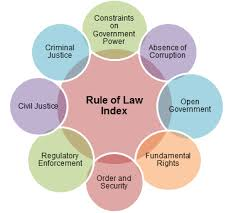
The term “rule of law” often gets thrown around casually. But the formal measure called the World Justice Project (WJP) Rule of Law Index is a structured, deep dive into how countries perform across eight core dimensions — from constraints on government powers, absence of corruption, to civil justice and criminal justice.
These rankings evaluate whether a country’s citizens can rely on fair laws, transparent governance, accountable institutions and equal access to justice. Without strong rule of law, you might have rights on paper — but not in practice.
Why it matters in your life
For you in India — whether you’re an employee, entrepreneur, investor or consumer — the state of rule of law determines:
- Contract reliability: Can you enforce a deal or will red-tape, corruption or weak courts nullify it?
- Rights protection: Will your freedom of speech, privacy or protest be respected?
- Business climate: Are investors keen to put money in a country where laws are enforced?
- Personal security: Can you trust policing, courts and enforcement mechanisms?
If you imagine the economy like a traffic system, a strong rule of law is the traffic lights, road markings and police — without them, chaos erupts.
Key takeaway: Rule of law rankings matter because they reflect how much you can count on laws and institutions to protect your rights and business.
Who Tops and Who Falters? — Global Snapshot of Rankings
Top performers
In the 2024 WJP Index, the top five countries were: Denmark (1), Norway (2), Finland (3), Sweden (4), Germany (5). These nations combine strong judicial systems, low corruption, transparent governance and citizen-centred rights.
Countries lagging behind
On the flip side, countries like Venezuela (142), Cambodia (141), Afghanistan (140), Haiti (139) found themselves at the bottom of the list.For these, weak rule of law often coincides with conflict, poverty, unchecked executive power and erosion of fundamental rights.
What about India?
While India isn’t in the extreme bottom or the very top, the rankings show that it still has critical gaps. According to the World Bank’s rule of law indicator, India’s score remains below the global average. The message is: we’ve come far, but there is substantial room for improvement.
Key takeaway: Global rankings illustrate two worlds — one where laws and institutions work smoothly, and another where they falter. India must strive toward the former.
Breaking Down the Dimensions — What Makes or Breaks Rule of Law
1. Constraints on government powers
This checks whether the executive, legislative and judiciary are balanced, if officials are held accountable, elections free and fair. Many weaker countries fail here because power is concentrated. Just Security+1
2. Absence of corruption
If bribes, nepotism or favouritism dominate, even good laws won’t protect citizens. The ranking tracks how clean public service is. Just Security+1
3. Open government
How transparent is policy-making? Is information publicly available? Can citizens participate meaningfully? Without openness, trust erodes.
4. Fundamental rights
This dimension assesses freedoms of expression, religion, assembly, equality before the law — the core of human dignity.
5. Order & Security
Here the focus is on effective policing, protection from crime or violence, and whether citizens feel secure in their homes and streets.
6. Regulatory enforcement
Having laws is one thing; enforcing them is another. This dimension looks at whether regulations are applied fairly and consistently.
7. Civil justice
Can ordinary people access courts, get fair hearings, and not wait decades for resolution?
8. Criminal justice
Is the criminal system efficient, fair and free from abuse? Does it treat defendants and victims equitably?
Key takeaway: Rule of law isn’t a single trait — it’s a multi-pillar system. Weakness in any pillar drags the entire structure down.
Why India Must Care – The Indian Context

Business & Investment impact
For Indian entrepreneurs and professionals, weak rule of law means higher risk: contracts are harder to enforce, property rights less reliable, disputes drag on. Foreign investors also look at rule of law scores before committing funds. According to the World Economics site, rule of law strongly correlates with growth, peace and opportunity. World Economics
Social justice and citizen rights
In India’s vast democracy, with its diversity and complexity, protecting fundamental rights and ensuring access to justice for all is a monumental challenge. A stronger rule-of-law environment means that marginalised groups, smaller businesses and everyday citizens can trust the system.
Why improvement is possible
India has shown pockets of excellence: some states have reformed judicial access, digitalised court systems, improved transparency in procurement. These local reforms are the building blocks for lifting national rule of law rankings.
Key takeaway: For Indians aged 25-45, the rule of law affects your career, business, rights and everyday trust in the system. It’s too important to leave to politicians alone.
How Countries Improve — Lessons from the Movers
Countries that reversed declines
While global data still show many countries slipping, some have made noticeable improvements. For instance, in the 2024 index, countries like Poland, Vietnam and Sri Lanka were among those with positive rule-of-law gains. Just Security+1
What they did that works
- Institutional reform: Strengthening courts, clarifying powers, reducing interference.
- Anti-corruption campaigns: Cleaning up public-service hiring, procurement and oversight.
- Access to justice: Introducing online filing, lower fees, alternative dispute resolution.
- Transparency and civic participation: Governments publishing data, inviting public input in rule-making.
What India can adapt
- Digitising court and administrative processes end-to-end.
- Safeguarding judicial independence from political interference.
- Strengthening local courts, not just national headlines.
- Deploying data-driven tools to track justice delays, enforcement gaps.
Key takeaway: Improving rule of law is not impossible—it’s about targeted reforms, consistent effort and institutional culture, not magic fixes.
Common Pitfalls That Keep Countries (and India) From Rising
Over-politicisation of judiciary
If courts or prosecutors are seen as political tools rather than independent arbiters, public trust drops. Many lagging countries suffer from this. Just Security+1
Weak enforcement, strong laws on paper
India sometimes enacts good laws, but enforcement lags. A rich law-book alone won’t improve rankings unless mechanisms work.
Digital reform gaps and unequal access
Even when digitisation is introduced, rural areas or marginalised communities may not benefit equally — creating a parallel system of justice.
Transparency without accountability
Publishing data is good, but it must lead to action. Otherwise, reforms stall and rankings stagnate.
Key takeaway: Avoiding these common traps is as critical as implementing new reforms. True progress demands both form and function.
What You Can Do — Personal Actions for a Big System
For the citizen
- Use digital platforms to access courts, track your cases — don’t settle for “wait and see”.
- Support transparency: ask government for information under Right to Information (RTI) when needed.
- Raise awareness of rights: know your rights and hold the system accountable when they’re breached.
For the entrepreneur or professional
- Criminal justice and contract reliability matter for business—engage with legal clarity, terms and dispute-resolution plans in your contracts.
- Support good governance in your organisation: transparent accounting, ethical leadership, respect for rule of law spells trust and long-term success.
- Consider impact: compliance, fairness, dispute-handling are not just costs—they’re long-term assets.
For the policy-curious or citizen activists
- Track state-level reforms: India is big; progress in one state can become a model for others.
- Engage in civic discussions on reform: support judicial independence, digital access, anti-corruption campaigns.
Key takeaway: The rule of law is co-created. Your actions — as consumer, business person or citizen — matter more than you might think.
Conclusion
The “rule of law rankings” aren’t just academic numbers—they map how reliably your rights, contracts and everyday justice operate. From Denmark’s near-flawless system to struggling states burdened by weak institutions, the gap is real and wide. India stands at a crossroads: we have momentum, opportunity—and many structural reforms ahead.
For you, aged 25-45 and navigating career, business, rights and identity in a rapidly changing India, it’s more than policy—it’s your daily living standard. With the right mindset, awareness and action, you can be part of a system that uplifts your prospects, rather than one held back by systemic dysfunction.
So here’s a question for you: What one step will you take this week to strengthen your engagement with the rule of law—whether by safeguarding your demand letter, using a digital courts portal, supporting a transparency campaign or sharpening contract practices at your job?
Comment your step below, share this with someone who should care, and start the conversation.