ffett, the answer was simple: you quietly step aside.
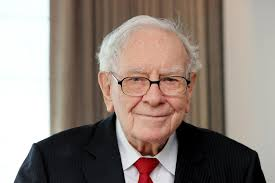
In his final annual missive as CEO of Berkshire Hathaway, the legendary “Oracle of Omaha” confirmed his departure from the role, his intention to “go quiet,” and still left a treasure chest of investment and life lessons.
Today we’ll dive into the “Warren Buffett farewell letter”, unpack the message, explore why it matters for Indian as well as global investors, and walk away with actionable take-aways you can use. Think of this as a masterclass in investing and leadership, drawn from a man who did it for real—not just the headlines.
Why the Warren Buffett Farewell Letter Mattered
When a 95-year-old investor who built one of the most successful investment vehicles in history writes one last time, it’s not just news—it’s a moment of reckoning for investors everywhere.
The End of an Era
- Buffett announced he will no longer write the formal annual letter for Berkshire or speak endlessly at shareholder meetings: “I will no longer be writing Berkshire’s annual report or talking endlessly at the annual meeting…” The Economic Times+2Yahoo Finance+2
- He said he’s “going quiet” — sort of: stepping back from the public limelight but continuing a personal Thanksgiving message each year. AOL+2Business Insider+2
- He reiterated that his successor, Greg Abel, will take over as CEO and assured shareholders he will retain a “significant amount” of Class A stock until confidence in the new leadership builds. Investopedia+2Yahoo Finance+2
Summary: The farewell letter marked a pivot point — not just for Buffett, but for all of us who follow his investing lessons. It underscores that even legends know when to change roles.
It’s a Letter Not Just for Berkshire Shareholders
Although addressed to Berkshire shareholders, the insights in the letter transcend one firm. They offer guidance on investing, risk, legacy, and business culture. pictureperfectportfolios.com+1
Whether you’re in Mumbai or Omaha, managing a small portfolio or building a business, the lessons apply.
Summary: This isn’t just financial jargon—it’s a mentor talking to us. The lessons are accessible, meaningful and timeless.
Key Takeaways from the Letter (and How YOU Can Apply Them)
Let’s break down the most important lessons from Buffett’s farewell letter, and translate them into actions you can take—especially relevant for Indian investors or business-minded professionals.
1. Patience above frenzy
Buffett reminded us that greatness doesn’t need speed. He emphasized that one great decision can outweigh a thousand ordinary ones. KCIC+1
- Action tip: Instead of chasing every “hot tip”, invest in something you understand, then let time work its magic.
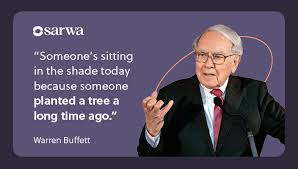
- Indian analogy: Like planting a mango sapling—no matter how fast you water it, you still need seasons to pass.
Summary: Long-term may sound boring, but it wins.
2. Know your circle of competence
Buffett has long stressed that you should invest only in areas you understand. Wikipedia+1
- Action tip: Define 2–3 industries you genuinely understand (say, Indian education, grocery retail, fintech), and focus there.
- Example: If you’ve worked in technology, stick to tech businesses rather than trying to pick biotech winners.
Summary: Depth beats breadth—better to know less and know it well.
3. Accept and correct mistakes quickly
Buffett admits his errors: “The cardinal sin is delaying the correction of mistakes.” cfo.com+1
- Action tip: When a stock or business you hold clearly fails your first thesis, don’t cling to hope—exit or revise your view.
- Indian investor angle: Many hold loss-making stocks for years hoping they’ll “turn around”. Avoid that trap.
Summary: Mistakes happen. What defines you is how you respond.
4. Transition planning isn’t optional
Buffett clearly outlined the baton pass to Greg Abel and emphasized continuity of culture and discipline. The Economic Times+1
- Action tip (for entrepreneurs): If you run a business, start grooming a successor now—don’t wait till it’s urgent.
- Personal finance angle: If you’re building a portfolio, know when you’ll step back, adjust strategy, or hand it over (to family/advisor).
Summary: Leaving things to chance is a decision too—and usually a bad one.
5. Legacy, not just profit
Buffett’s letter focused as much on philanthropy and the “why” as on the “how much”. He donated over $1.3 billion in shares to foundations in the run-up to retirement. The Financial Express+1
- Action tip: Define what you want your “financial obituary” to say — “gave back”, “supported others”, not just “made money”.
- For Indian context: As wealth grows, think about how you’ll support your community, education, etc.
Summary: Riches are fleeting, values endure.
Mistakes and Myths Buffett Warned About
Buffett’s clarity sometimes comes from what he criticises. These are traps to avoid.
Over-valuing YOURSELF or the business
He wrote about CEOs who compete only on compensation, driven by envy, not by value creation. The Financial Express+1
- Investor mistake: Buying stocks just because the CEO is “charismatic”—skip the business fundamentals.
- Indian view: Don’t invest in celebrity-founded startups simply because of vision—look at execution.
Chasing momentum, ignoring value
Buffett once said nothing in the market looked compelling—he’s cautious when others are exuberant. geltguide.com+1
- Action tip: During bull runs be extra disciplined; ask: “What happens if I’m wrong by half?”
Summary: Risk comes your way fast when everyone’s just focusing on the upside.
Thinking you’ll “do it all later”
Since Buffett plans to cut back formal letters, this is a reminder: don’t postpone good habits.
- Tip: If you haven’t started documenting your investing process, your business succession plan, or your giving plan—start now.
Summary: The future arrives sooner than you think.
What This Means for Indian Investors & Entrepreneurs
The context is global—but let’s specifically tailor it to India, where markets behave differently, and stories matter.
Learning from the long game
Indian markets often favour short-term frenzy (IPO rushes, loud listings), yet Buffett champions the patient build-up.
- Practical step: Pick 2–3 stocks you believe will still exist and grow strongly in 10 years (not just next 6 months).
- Example: Businesses in India’s consumption, renewable energy, education—if you understand them.
Building culture in founders-led ventures
Buffett’s focus on people and values is extremely relevant for Indian founders.
- Tip for founders: Establish a purpose beyond profit (e.g., “democratise education in India”) and embed it in your culture now.
- Investors in India’s startup wave: Try assessing not just the idea, but the founders’ alignment to the mission.
Succession in family and business
Many Indian businesses are family-run; Buffett’s clear message on succession should ring loud.
- Action step: Document roles, decide timelines, bring in external talent if needed.
- Investor view: Prefer companies where succession risk is low, culture is clear, and leadership is stable.
Philanthropy evolves with wealth
Buffett’s accelerating his giving shows that growth isn’t just in the portfolio—it’s in purpose.
- Tip: Even small contributions matter. Set aside a percentage of gains each year for giving back.
- Indian angle: Consider education or healthcare initiatives in underserved regions of India.
How to Use These Lessons in Your Portfolio
Here’s a simple step-by-step adaptation plan:
- Define your investing horizon
- Short term (<2 years) → high risk
- Medium term (3–7 years) → moderate risk
- Long term (10+ years) → aim for Buffett style
- Pick your circle of competence and set boundaries
- Write down 3 sectors you deeply understand.
- For any new investment, ask: “Do I understand how this business makes money?”
- Build a “mistake response plan”
- Pre-decide your exit criteria: e.g., “If this business doesn’t grow revenue 10% a year for 3 years, I review.”
- Accept that being wrong is okay—being stubborn is not.
- Check succession + culture in businesses you invest in
- Look for companies where leadership is clearly defined.
- For startups, check if founder has thought about hand-over, second layer talent.
- Add value beyond profit
- Allocate part of your portfolio or business gains for purpose.
- Create giving goals, even if modest.
The Mentor’s Wrap-Up
When you distil the essence of this farewell letter, here’s what you find:
- Excellence is built quietly, not by chase.
- True power lies in humility, discipline, and values.
- Every investor (or business owner) faces the same set of choices: time horizon, circle of competence, culture, legacy.
Quote worth remembering:
“Decide what you would like your obituary to say and live the life to deserve it.” — Warren Buffett The Financial Express
If you let these lessons guide you, you’ll be less swayed by the noise of two-day IPO rushes or media hype. You’ll build something resilient.
Call to Action
What’s one thing from Buffett’s letter that resonates with you? Maybe it’s the patience reminder, maybe the mistake-check, or maybe defining your legacy. Share in the comments below—you might just spark a conversation that helps someone else too.