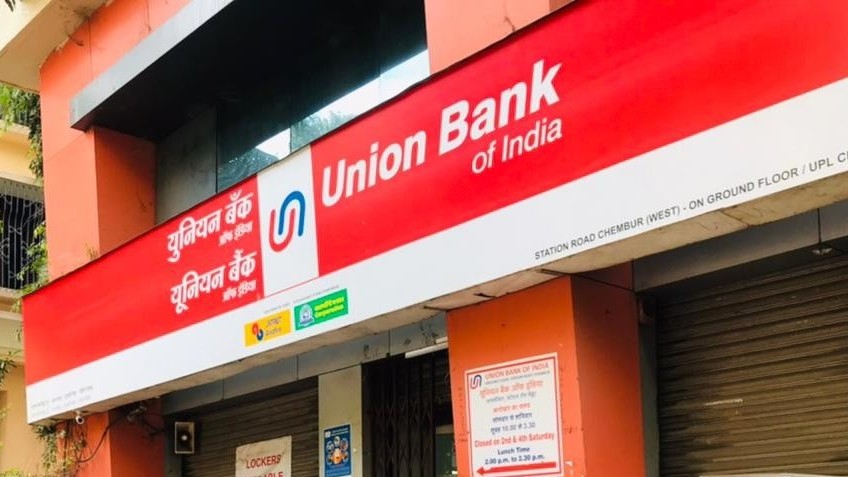
Union Bank of India Q3 Results: Key Highlights
State-run Union Bank of India has reported a 9.7% increase in consolidated net profit for the December quarter, reaching Rs 5,073 crore. This significant growth is primarily attributed to a sharp decline in provisions. The bank’s core net interest income grew 0.95% to Rs 9,328 crore, despite a lower than the banking system’s 7.13% growth in credit and a 0.15 per cent narrowing in the net interest margin at 2.76%.
The bank’s performance is a testament to its efforts in navigating the challenges posed by the current economic landscape. As the Indian banking sector continues to evolve, Union Bank of India’s Q3 results offer valuable insights into the sector’s trends and future prospects.
Provisions and Net Interest Income: A Closer Look
The decline in provisions has been a significant factor in the bank’s profitability. Provisions are amounts set aside by banks to cover potential losses on loans and other assets. A decrease in provisions indicates a reduction in the bank’s expected credit losses, which can positively impact its bottom line.
The bank’s net interest income, although growing at a slower pace than the banking system as a whole, remains a crucial component of its revenue. Net interest income is the difference between the interest earned on loans and the interest paid on deposits. The narrowing of the net interest margin, however, suggests that the bank faces challenges in maintaining its profitability amidst competitive market conditions.
Implications for Indian Investors
For Indian investors, Union Bank of India’s Q3 results offer a mixed bag. On one hand, the increase in net profit is a positive sign, indicating the bank’s ability to generate earnings despite challenging conditions. On the other hand, the slower growth in net interest income and the narrowing net interest margin raise concerns about the bank’s ability to sustain its profitability in the long term.
Investors looking to invest in the banking sector should carefully consider these factors and assess the bank’s overall performance in the context of the broader economic and market trends. The Nifty and Sensex, India’s premier stock market indices, can provide valuable insights into the market’s sentiment and the banking sector’s performance.
Future Prospects and Challenges
Looking ahead, Union Bank of India faces both opportunities and challenges. The bank’s efforts to improve its asset quality, reduce provisions, and enhance its net interest income will be crucial in determining its future prospects. The Indian economy, currently navigating a complex global landscape, will also play a significant role in shaping the bank’s future.
The banking sector, in general, is expected to face challenges such as increasing competition, regulatory requirements, and the need for technological advancements. However, these challenges also present opportunities for growth and innovation, particularly in areas such as digital banking and financial inclusion.
Conclusion
In conclusion, Union Bank of India’s Q3 results offer a nuanced view of the bank’s performance and the broader trends in the Indian banking sector. While the increase in net profit is a positive sign, the challenges in maintaining profitability and the slower growth in net interest income raise important considerations for investors. As the Indian economy and the banking sector continue to evolve, it is essential for investors to stay informed and adapt to the changing landscape.
For more information on the Indian stock market and the banking sector, including Nifty and Sensex news, visit our website and stay updated with the latest news, analysis, and insights.