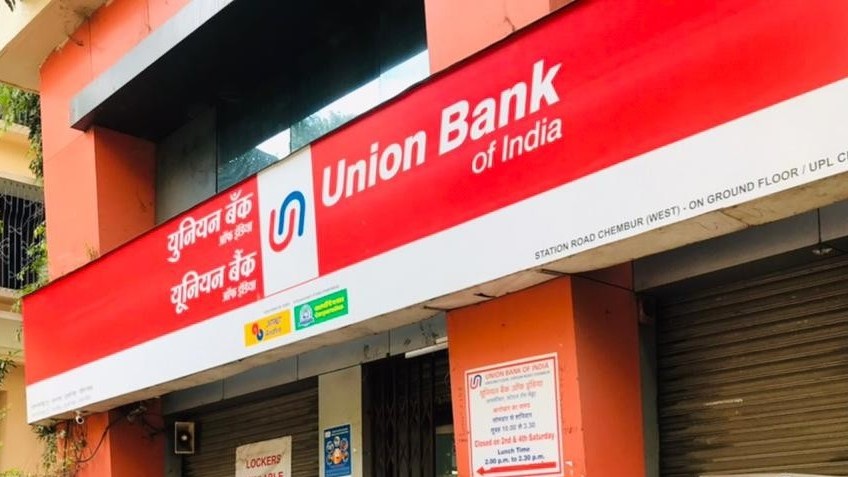
Union Bank of India Q3 Results: A Positive Outlook
State-run Union Bank of India has reported a 9.7% increase in consolidated net profit for the December quarter, reaching Rs 5,073 crore. This significant growth can be attributed to a sharp decline in provisions, which has been a major factor in the bank’s improved financial performance. In this article, we will delve into the details of Union Bank’s Q3 results and explore what this means for Indian investors and the overall banking sector.
Lower Provisions: A Key Driver of Profit Growth
The bank’s provisions have decreased substantially, contributing to the 9.7% rise in net profit. Provisions are funds set aside by banks to cover potential losses on loans and other assets. A lower provision indicates that the bank expects fewer loan defaults and has a more stable asset portfolio. This reduction in provisions is a positive sign for Union Bank and suggests that the bank is taking steps to strengthen its balance sheet and reduce risk. For more information on banking sector in India, visit our website.
Core Net Interest Income: A Moderate Growth
Union Bank’s core net interest income grew 0.95% to Rs 9,328 crore during the quarter. While this growth may seem modest, it is essential to consider the context. The banking system as a whole has witnessed a 7.13% growth in credit, which is significantly higher than Union Bank’s growth. Furthermore, the bank’s net interest margin (NIM) narrowed by 0.15% to 2.76%. NIM is a crucial metric for banks, as it represents the difference between the interest earned on loans and the interest paid on deposits. A narrowing NIM can be a concern, as it may indicate that the bank is facing increased competition or struggling to maintain its pricing power.
Implications for Indian Investors
So, what do Union Bank’s Q3 results mean for Indian investors? The bank’s improved profitability and reduced provisions are certainly positive developments. However, investors should also consider the broader trends in the banking sector and the potential risks associated with the current economic environment. The Indian banking sector has faced several challenges in recent years, including a surge in non-performing assets (NPAs) and a decline in credit growth. While the sector has made significant progress in addressing these issues, there are still concerns about the potential impact of the COVID-19 pandemic and the ongoing economic slowdown. To learn more about investing in Indian stock market, read our detailed guide.
Outlook for the Banking Sector
The Indian banking sector is expected to continue facing challenges in the coming months. The COVID-19 pandemic has disrupted economic activity, leading to a decline in credit demand and an increase in NPAs. Additionally, the sector is undergoing significant changes, including the implementation of new regulatory requirements and the adoption of digital technologies. Despite these challenges, there are opportunities for growth and innovation in the banking sector. Banks that are able to adapt to the changing environment and leverage technology to improve their operations and customer service are likely to emerge stronger and more resilient. For information on digital banking in India, visit our website.
Conclusion
In conclusion, Union Bank of India’s Q3 results are a positive development for the bank and the broader banking sector. The bank’s improved profitability and reduced provisions are a testament to its efforts to strengthen its balance sheet and reduce risk. However, investors should remain cautious and consider the potential risks associated with the current economic environment. As the banking sector continues to evolve, it is essential for investors to stay informed and up-to-date on the latest developments and trends. By doing so, they can make informed investment decisions and navigate the complexities of the Indian stock market. To get the latest updates on Indian stock market news, follow our website.