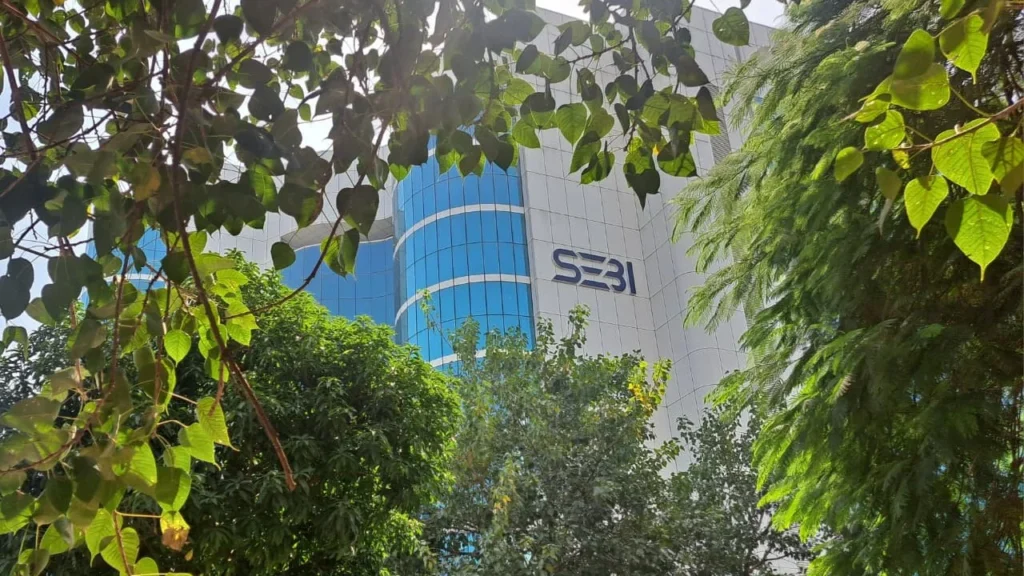
SEBI Bans Gretex Corp: A Regulatory Crackdown
The Securities Exchange Board of India (SEBI) has barred Gretex Corporate Services from taking up new merchant banking assignments for 21 days, citing significant lapses in regulatory compliance. This move comes as a reminder of SEBI’s commitment to maintaining the integrity of the Indian financial markets. In this article, we will delve into the details of the ban, the reasons behind it, and what it means for Indian investors.
Background: Gretex Corp and Regulatory Requirements
Gretex Corporate Services, a SEBI-registered merchant banker, has been found to have violated key regulatory requirements. The primary issue revolves around the company’s failure to maintain the prescribed minimum net worth of Rs 5 crore during the financial year 2019–20, a requirement stipulated by the merchant bankers’ rules. This lapse is significant as it directly impacts the ability of a merchant banker to operate effectively and manage risks associated with their activities.
Furthermore, SEBI’s investigation revealed that Gretex did not conduct adequate due diligence in managing the SME public issue of a company. Specifically, nearly 40% of the IPO proceeds were allocated for leasing office space that was still under construction. This critical detail was not properly verified or disclosed to investors, highlighting a substantial omission in the due diligence process.
Implications for Indian Investors
The SEBI ban on Gretex Corp serves as a precautionary measure to protect the interests of investors. It underscores the importance of regulatory compliance and the need for merchant bankers to adhere to strict standards of due diligence. For Indian investors, this development should reinforce the necessity of conducting thorough research and ensuring that the entities they engage with, including merchant bankers, have a clean track record of regulatory compliance.
Investors should also be aware of the SEBI guidelines for merchant banking to better understand the regulatory framework that governs these activities. Moreover, staying updated on latest stock market news in India can help investors make informed decisions and navigate the complexities of the financial markets.
SEBI’s Role in Maintaining Market Integrity
SEBI’s action against Gretex Corp demonstrates its proactive approach to ensuring market integrity. The regulator’s vigilance in enforcing compliance with regulatory requirements is crucial for maintaining investor confidence and promoting a fair and transparent market environment. SEBI’s efforts to curb non-genuine trades and other malpractices, as seen in the penalties imposed on entities for indulging in such activities in the illiquid stock options segment, further reinforce its commitment to this goal.
For investors looking to invest in the Indian stock market, understanding SEBI’s role and the regulatory measures in place is essential. It can provide insights into the best stock market strategies for Indian investors and help in making decisions that are aligned with regulatory best practices.
Conclusion
In conclusion, the SEBI ban on Gretex Corp for 21 days highlights the importance of regulatory compliance in the Indian financial markets. It serves as a reminder to investors of the need to engage with entities that have a strong compliance record and to stay informed about regulatory updates and market developments. As the Indian stock market continues to evolve, the role of SEBI in maintaining its integrity will remain pivotal, and investors must remain vigilant and informed to navigate the market effectively.