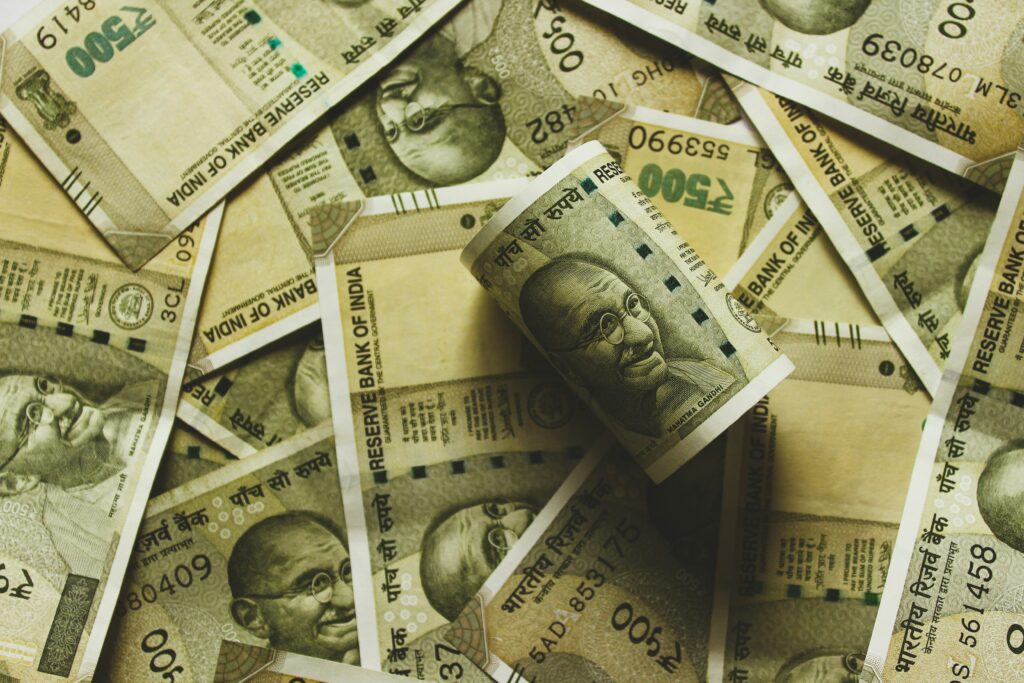
Rupee Slips 6 Paise Against US Dollar: A Detailed Analysis
The Indian rupee pared initial gains and settled for the day 6 paise lower at 90.29 (provisional) against the US dollar on Wednesday, as the likely central bank intervention was negated by a strong dollar, foreign outflows from capital markets, and elevated crude oil prices. This movement has significant implications for Indian investors, and in this article, we will delve into the key factors driving this trend.
Factors Affecting the Rupee
Forex traders said the rupee is likely to trade with a negative bias on risk aversion in global markets and geopolitical tensions. However, rising odds of a rate cut amid softening inflation and any intervention by the central bank may support the rupee at lower levels. To understand the impact of these factors, it’s essential to analyze the current state of the Indian economy and the global market trends. For more information on the Indian economy, visit our page on indian economy.
Impact on Indian Investors
The rupee’s movement against the US dollar has a significant impact on Indian investors, particularly those invested in the stock market. A weak rupee can make imports more expensive, leading to higher production costs for companies, which can negatively impact their stock prices. On the other hand, a strong rupee can make exports more competitive, leading to higher demand and increased revenue for companies. To learn more about the stock market and its trends, visit our page on stock market trends.
Current Market Trends
At the interbank foreign exchange, the rupee opened at 90.26 and touched the intra-day low of 90.30 and a high of 89.94 against the greenback. The currency finally ended the session at 90.29 (provisional) against the dollar, down 6 paise from its previous close. This movement indicates a high level of volatility in the market, and investors need to be cautious with their investment decisions. For the latest updates on the sensex trends and nifty trends, visit our website.
Expert Insights
Anuj Choudhary, Research Analyst, Mirae Asset ShareKhan, said, ‘Indian rupee gained in early trade on likely central bank intervention. However, a strong dollar, FII outflows and a late fall in the domestic markets capped sharp gains.’ Choudhary further added that ‘we expect the rupee to trade with negative bias on risk aversion in global markets and geopolitical tensions.’ Traders now focus on the US Supreme Court ruling later in the day on the legality of the Liberation Day tariffs. USDINR spot price is expected to trade in a range of 89.95 to 90.50, he said. To learn more about the dollar index and its impact on the rupee, visit our page on dollar index.
Global Market Trends
The dollar index, which measures the greenback’s strength against a basket of six currencies, was trading 0.02% lower at 99.11. Brent crude, the global oil benchmark, was trading 1.04% lower at $64.81 per barrel in futures trade. These global market trends have a significant impact on the Indian economy and the rupee’s movement. To stay updated on the latest global market trends, visit our page on global market trends.
Domestic Equity Market Front
On the domestic equity market front, the Sensex dropped 244.98 points to settle at 83,382.71, while the Nifty declined 66.70 points to 25,665.60. Foreign institutional investors offloaded equities worth Rs 1,499.81 crore on Tuesday, according to exchange data. This movement in the domestic equity market has a significant impact on the rupee’s movement and the overall Indian economy. To learn more about the sensex and nifty, visit our pages on sensex news and nifty news.
Conclusion
In conclusion, the rupee’s movement against the US dollar has significant implications for Indian investors. The current market trends, global market trends, and domestic equity market trends all play a crucial role in determining the rupee’s movement. As an investor, it’s essential to stay updated on these trends and make informed investment decisions. For the latest updates and insights on the Indian stock market, visit our website and follow our social media channels.