RBI faces a policy dilemma: strong 8.2% GDP growth and low inflation cloud the path for rate cuts. What it means for bond yields, loans, and markets. #RBI2025

📰 Snapshot — What Just Happened
- India’s economy surged with a Q2 FY26 real GDP growth of 8.2%, well above forecasts.Reuters+2The Economic Times+2
- Bond markets reacted instantly: the benchmark 10-year yield jumped to 6.5463%, as traders priced in reduced probability of a near-term rate cut by RBI.mint+1
- Though inflation is near multi-year lows and retail inflation recently dipped to ~0.25%, the strong growth makes a December rate cut an uneasy call for the central bank.Reuters+1
- So, the headline is simple: blockbuster growth has complicated RBI’s rate-cut path, sending ripples across bonds, yields, and investor sentiment. But the full story is richer — and a bit more nuanced.
Why Robust GDP Growth Doesn’t Guarantee Rate Cuts
🔎 1. Growth vs. Rates — The Trade-off That RBI Faces
It sounds counter-intuitive: if the economy is booming, why avoid cutting rates?
Here’s the math:
- Strong growth often boosts demand.
- More demand + easy credit = possibility of inflation heating up.
- RBI’s mandate isn’t just growth — it’s price stability + growth.
With 8.2% growth, the RBI’s MPC (Monetary Policy Committee) must now balance between sustaining momentum and preventing overheating. That’s why “too much growth” now becomes a reason for caution.
As analysts said: this growth print “tempered rate-cut expectations” even against low inflation.mint+1
📈 2. Bond Yields Already Spiked — A Market Warning Signal
Bond yields and interest rates often walk hand in hand. When yields rise:
- Borrowing becomes more expensive.
- Debt servicing costs for companies/government go up.
- Equities feel the pressure.
The uptick in the 10-year yield reflects market’s skepticism over a quick rate cut — they’re guarding against higher rates or sticky borrowing costs. That, in turn, makes rate cuts less attractive for RBI in near term.mint+1
The Tug-of-War: Low Inflation vs High Growth
🧮 3. Inflation Is Low — That Favours Easing. But Growth Is High — That Favors Tightness.
- Retail inflation recently hit a record low (~ 0.25%). That usually gives central banks a green signal to ease.Reuters+1
- On the other hand, high real GDP growth suggests demand strength — which, over time, may create inflationary pressures again.
In this tug-of-war, the RBI must ask: Can we afford to ease now, or do we risk stoking fresh inflation? Many believe the latter risk is real.
As one economist told reporters, strong growth reduces “space for easing” — the central bank may wait until “downside risks to growth materialise.”The Economic Times
What This Means for Bond Markets, Borrowers, and Ordinary People
💡 4. Bond-Market Investors — Stay Alert
- Rising yields reduce bond prices. If you’re holding long-term bonds or bond funds, expect some temporary pain.
- New investors might get better entry yields — but only if yields are stable or fall.
🏦 5. Borrowers — Watch Loan & EMI Costs
If RBI stays put or even hints at future tightening:
- Home loan, auto loan and business-loan EMIs could stay high or rise.
- Variable-rate borrowers should brace for higher interest costs.
📉 6. Equity & Markets — Valuation Pressure, Volatility
Strong growth + rising yields + cautious RBI = a tough environment for equities.
- Rate-sensitive sectors (real estate, infrastructure, auto) may see pressure.
- High-valuation mid- and small-cap stocks might correct further — investors may shift to quality/large-cap names.
Why Some Still Hope for a 25 bps Cut — And What It Hinges On
Despite the headwinds, a modest rate cut remains on the table for some analysts and markets. Here’s why — and what must align:
✅ Low Inflation Path Continues
If CPI stays near or below RBI’s comfort zone (target ~4%), it reduces the inflation risk of a rate cut. Some expect CPI to remain benign.Reuters+1
✅ Global Economic Calm, Stable Oil Prices
Lower global uncertainties, stable oil and commodity prices help keep inflation under control globally — easing the RBI’s external risk assessment.
✅ Domestic Weakness or Downside Risks Materialise
If corporate earnings disappoint, export demand softens, or international headwinds hit global demand — that could give RBI room to ease, to support growth.
What to Watch in the Next 6–12 Months
| 🔎 Indicator | 💡 Why It Matters |
|---|---|
| CPI / Inflation trajectory | If inflation stays low — easier for RBI to cut rates |
| Credit growth & demand trends | Slow credit growth may push RBI toward easing to support liquidity |
| Global commodity prices (oil, metals) | Sharp rises increase inflation — may force RBI to hold rates |
| Government borrowing/fiscal deficit | Big borrowing may pressure yields and crowd out markets |
| Foreign institutional flows (FII/DII) | Large outflows reduce market confidence, add pressure on yields |
| Core inflation & supply-side data (food, energy) | Sudden spikes can derail easy-rate hopes |
H3 Summary: The next MPC meeting’s outcome will hinge on a mix of domestic data and global signals — inflation path, credit demand, global commodity prices, and capital flows.
So — Should You Bet on a Rate Cut or Expect Caution?
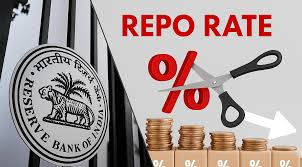
🚦 My Take: Odds Tilt Against a Bold Rate Cut
Given current data:
- Strong GDP growth
- Rising bond yields
- Inflation still low but vulnerable
It’s likely the RBI will pause or go for a modest 25 bps cut only if inflation stays well-behaved, and global environment remains stable.
A full-blown easing spree seems unlikely — the RBI seems more inclined to stick with “neutral” stance than “easing bias.”
If you’re an investor or borrower, treat any rate cut now as “possible but not guaranteed.”
Wise Moves for Investors, Borrowers & Everyday Indians
- Investors: Don’t bet on falling rates — build diversified portfolios, prefer quality equities & balanced debt funds.
- Borrowers: Lock in fixed-rate loans or prepay if possible; watch for rate-linked variable loans.
- Savers: Stay realistic — don’t expect big yield gains from fixed deposits just yet; short-to-medium horizon debt instruments may remain volatile.
- General Citizens: Don’t assume EMIs will fall drastically — plan budgets with a cushion.
📌 Final Thoughts: The “Good Problem” of Growth
India’s 8.2% GDP growth is a positive signal — it shows the economy is firing on multiple cylinders. But ironically, that same strength is the reason for caution at the RBI.
The current moment is a “good problem”: high growth, low inflation — but pressure to balance growth with stability.
For markets, borrowers, investors, and citizens — the key is to stay informed, avoid wishful thinking, and plan prudently.
Because in economics — as in life — balance matters more than speed.