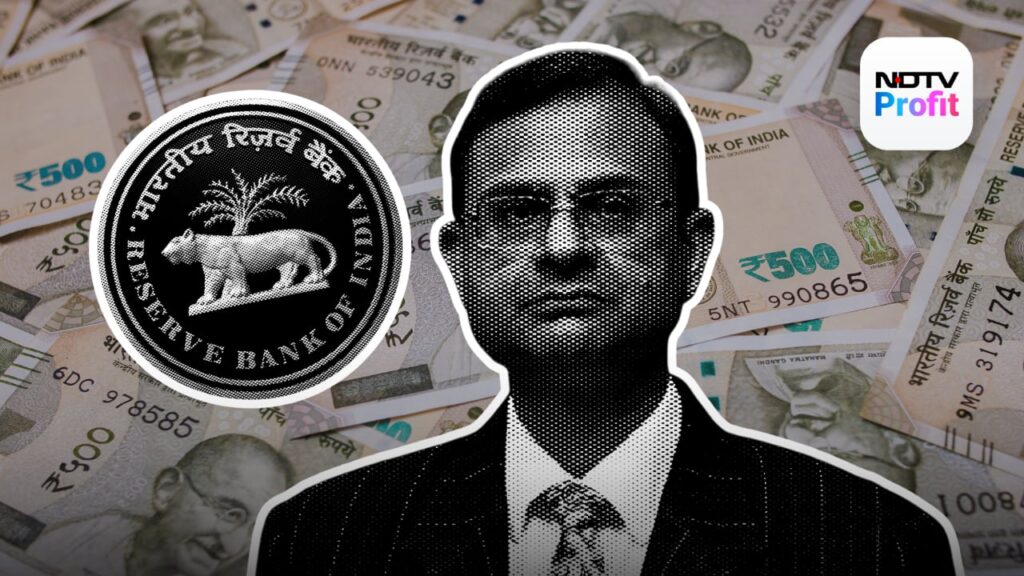
RBI Governor Sanjay Malhotra on Rupee Management Strategy
In an exclusive conversation with NDTV Profit, Reserve Bank of India (RBI) Governor Sanjay Malhotra provided clarity on the central bank’s approach to managing the rupee, stating that there is no red line for the currency at 90 or 91 against the US dollar. This statement aims to alleviate concerns among investors and traders about the RBI’s intervention strategies in the foreign exchange market.
Understanding the RBI’s Forex Intervention Policy
The RBI’s role in the foreign exchange market is multifaceted, including managing India’s foreign exchange reserves, maintaining monetary stability, and ensuring the smooth functioning of the financial system. However, the central bank’s intervention in the forex market is often subject to speculation, with many assuming that it targets specific levels of the rupee against major currencies like the US dollar.
According to Governor Malhotra, the RBI does not target any specific rupee level, including the psychological thresholds of 90 or 91 to the dollar. Instead, the central bank’s intervention is aimed at curbing excessive volatility in the currency market, which can have broader implications for the economy and financial stability. This approach underscores the RBI’s commitment to maintaining a flexible exchange rate regime, where the value of the rupee is determined by market forces, with the central bank acting as a buffer against extreme fluctuations.
Implications for Indian Investors and Traders
The RBI Governor’s clarification on the rupee management strategy has significant implications for Indian investors and traders. It suggests that the central bank will not artificially defend the rupee at specific levels, which could lead to depletion of foreign exchange reserves and distort market dynamics. Instead, the RBI will focus on ensuring that the currency market functions orderly, without undue volatility that could impact the real economy.
For investors, this means that decisions on investments in the foreign exchange market or in assets denominated in foreign currencies should be based on their individual risk tolerance, investment objectives, and thorough research, rather than speculation about the RBI’s intervention levels. It also highlights the importance of diversification and hedging strategies to manage currency risk.
Impact on the Indian Economy
The management of the rupee and the overall health of the foreign exchange market have far-reaching implications for the Indian economy. A stable and predictable currency market can boost investor confidence, both domestic and foreign, and support economic growth. It can also influence inflation, as a stable rupee can help manage import costs and, by extension, consumer prices.
The RBI’s approach to forex management, as outlined by Governor Malhotra, is in line with its broader mandate of maintaining price stability, promoting economic growth, and ensuring financial stability. By avoiding targeted interventions at specific rupee levels, the RBI aims to create a more market-determined exchange rate, which can lead to more efficient allocation of resources in the economy.
Forex Market Dynamics and the Role of Speculation
The foreign exchange market is known for its volatility, with exchange rates influenced by a myriad of factors, including economic indicators, monetary policy decisions, geopolitical events, and market sentiment. Speculation about central bank actions, including the RBI’s intervention in the forex market, can sometimes exacerbate volatility, leading to rapid fluctuations in exchange rates.
For those looking to understand more about forex trading strategies and how to navigate the complexities of the currency market, it’s essential to stay informed about economic trends, central bank policies, and market analysis. The RBI’s stance on not defending specific rupee levels underscores the importance of fundamental and technical analysis in making informed investment decisions.
Conclusion: Navigating the Rupee’s Volatility
In conclusion, the RBI Governor’s statement provides clarity on the central bank’s approach to managing the rupee, emphasizing a market-oriented strategy with intervention aimed at reducing volatility rather than targeting specific exchange rates. This clarity is crucial for investors, traders, and economists seeking to understand the nuances of the Indian foreign exchange market and the factors influencing the rupee’s value.
As the Indian economy continues to grow and integrate into the global financial system, the management of the rupee and the overall stability of the financial markets will remain critical. For more insights into Indian stock market trends and forex market analysis, stay tuned to our updates and analysis, designed to help you navigate the complexities of the financial markets and make informed decisions.