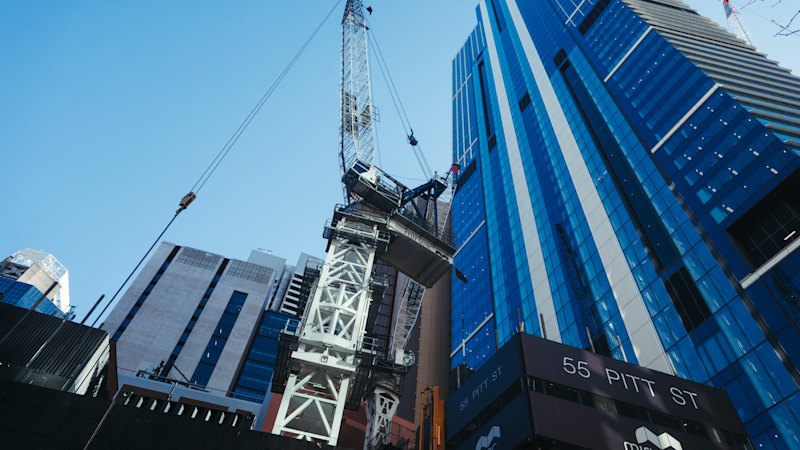
Introduction to the Office Space Squeeze
The COVID-19 pandemic has brought about a significant shift in the way we work, with many employees opting for remote work or hybrid models. However, a recent trend has emerged, with workers turning up at the office more than required, exacerbating the already existing squeeze on office space. This phenomenon is particularly pronounced in Australia’s two biggest cities, Melbourne and Sydney, where the construction of new office buildings has slowed down due to rising construction costs, materials, and labor costs, combined with increasing interest rates.
Economic Rent Growth Outpaces Premium Office Rental Growth
According to a report by Knight Frank, economic rent growth in Melbourne has far outpaced premium office rental growth, with economic rents being 42% above forecasted actual rents. This has resulted in a prolonged squeeze on new supply, with new supply expected to fall below 1% of actual stock and remain there well into the 2030s. The situation is less pronounced but similar in Sydney, where economic rent growth for city towers has also outpaced premium office rental growth.
Impact on Indian Investors
So, what does this mean for Indian investors? The office space squeeze in Australia’s major cities may seem like a distant concern, but it has significant implications for Indian investors looking to diversify their portfolios. With the Indian real estate market experiencing its own set of challenges, investing in international markets like Australia can provide a lucrative opportunity. However, it’s essential to understand the local market trends and dynamics before making any investment decisions.
More Workers Returning to the Office
A recent survey by Bloomberg Intelligence found that over 80% of workers in Sydney and Melbourne are attending the office at least three days a week. This trend is driven by the desire to collaborate, network, and access amenities like gyms and cafes. As a result, occupancy rates in both cities are slowly increasing, with Sydney’s occupancy rising to 79% in the last quarter of 2025, up from 76% in the previous corresponding period. Melbourne’s occupancy rate also increased, albeit at a slower pace, reaching 63% in the same period.
Benefits for Existing Landlords
The lack of new office supply in both Melbourne and Sydney will benefit existing landlords, as it will drive up leasing in premium-grade buildings. Tenants will be more likely to renew leases, giving landlords more bargaining power, and rents are expected to grow 6.6% annually in Sydney until 2030. This trend is already being reflected in the positive outlook of property giants like GPT Group and Dexus, who are experiencing strong income growth and securing significant new leasing deals.
Conclusion
In conclusion, the office space squeeze in Australia’s major cities is expected to last beyond 2030, driven by a combination of factors, including a construction slowdown and increasing demand from workers. While this trend may seem like a distant concern for Indian investors, it has significant implications for those looking to diversify their portfolios. By understanding the local market trends and dynamics, Indian investors can make informed decisions and capitalize on the opportunities presented by this trend. To learn more about the Indian real estate market trends and how to navigate the complex world of commercial real estate, visit our website and stay up-to-date with the latest news and analysis.
Investing in Commercial Real Estate
Investing in commercial real estate can be a lucrative opportunity for Indian investors, but it’s essential to approach it with caution and thorough research. With the office space demand expected to continue growing, investing in premium-grade buildings can provide a stable source of income and long-term capital appreciation. However, it’s crucial to understand the local market dynamics, including the rental yield in commercial real estate and the potential risks associated with investing in international markets.
Real Estate Market Trends
The real estate market is constantly evolving, with new trends and dynamics emerging every year. To stay ahead of the curve, it’s essential to stay informed about the latest real estate market trends in India and around the world. From the impact of COVID-19 on real estate to the growing demand for sustainable and green buildings, there are numerous factors that can affect the real estate market. By staying informed and adapting to these changes, Indian investors can make informed decisions and capitalize on the opportunities presented by the real estate market.