New York’s 2026 FIFA World Cup Housing Dilemma: A Lesson for Indian Investors
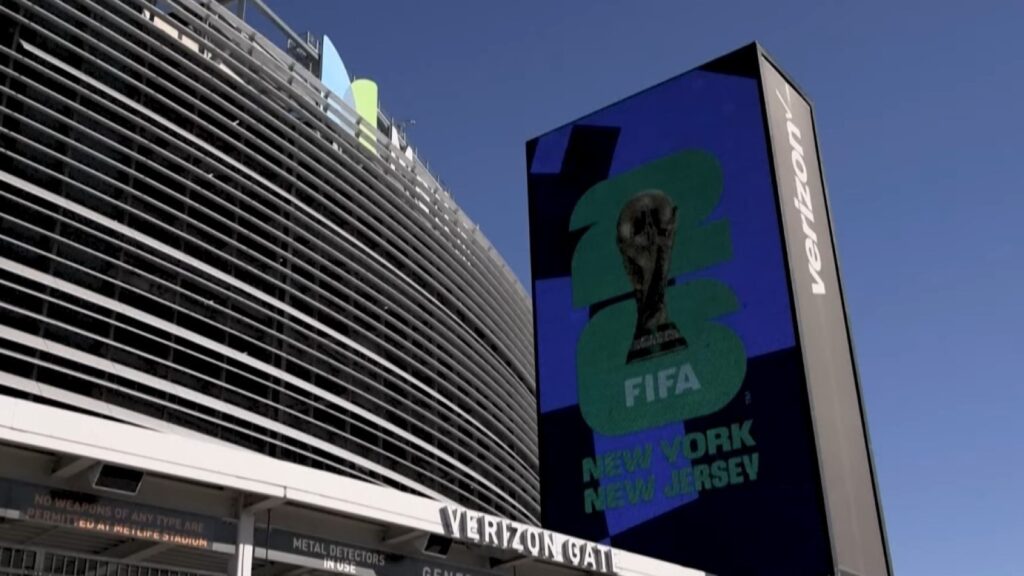
As the New York City area gears up to host the 2026 FIFA World Cup, including the final match, the debate over where fans will sleep has become a much bigger fight about who gets to benefit when one of the planet’s biggest sporting events lands in a city already strained by sky-high rents and scarce housing.
The Economic Impact of the World Cup
The New York-New Jersey region will host the final on July 19, 2026, at MetLife Stadium, and official projections already point to a record year for tourism. NYC Tourism + Conventions estimates the city will welcome 66.3 million visitors in 2026, after reaching 64.5 million in 2025. Last year alone, tourism generated $55.6 billion in direct spending and $84.7 billion in total economic impact.
The agency also expects the World Cup to draw about 1.2 million visitors to the New York-New Jersey area and generate roughly $3.3 billion in economic impact. However, the numbers show how New York does not have enough flexible lodging to absorb an extraordinary spike in demand.
The Debate Over Short-Term Rentals
Business owners, groups, and neighbors fear that if the city refuses to open the door to more short-term stays, many visitors will end up booking rooms across the river in New Jersey or elsewhere in the region, taking their money with them. The Manhattan Chamber of Commerce, with support from chambers across all five boroughs, is recommending a temporary suspension of the short-term rental ban specifically for June and July 2026.
The city is also being urged to approve measures such as Intro 948 to allow regulated home-sharing. However, City Hall has answered with a flat no. Mayor Zohran Mamdani and City Council leaders say they want to preserve housing stability. The city’s position is that homes should remain homes, not be converted into makeshift hotels during a month of soccer fever.
Lessons for Indian Investors
So, what can Indian investors learn from this dilemma? For one, the importance of real estate investing cannot be overstated. As the demand for housing and short-term rentals continues to rise, investing in properties that can cater to this demand can be a lucrative opportunity. Additionally, the debate over short-term rentals highlights the need for regulatory compliance in the real estate sector.
The Future of Short-Term Rentals in New York City
The effect of the short-term rental ban is already visible in pricing and geography. The New York Post reported that business leaders pushing for a temporary suspension of the restrictions warned that the city’s roughly 135,000 hotel rooms were already operating at near 97% occupancy and that hotel prices had climbed to levels that could leave many families priced out.
Local business leaders have also entered the fight. Jessica Walker, president and CEO of the Manhattan Chamber of Commerce, warned that a visitor who sleeps in Hoboken will not get their morning coffee or dinner in Astoria, a line that has become one of the clearest summaries of the economic stakes for New York neighborhoods.
Conclusion
In conclusion, the debate over short-term rentals in New York City is a complex issue that highlights the need for balance between housing stability and economic benefits. As Indian investors, it is essential to stay informed about the latest developments in the real estate sector and to consider the potential opportunities and challenges that arise from such debates. By doing so, we can make informed investment decisions and navigate the complex world of real estate investing.
For more information on real estate investing strategies and regulatory compliance in real estate, please visit our website.