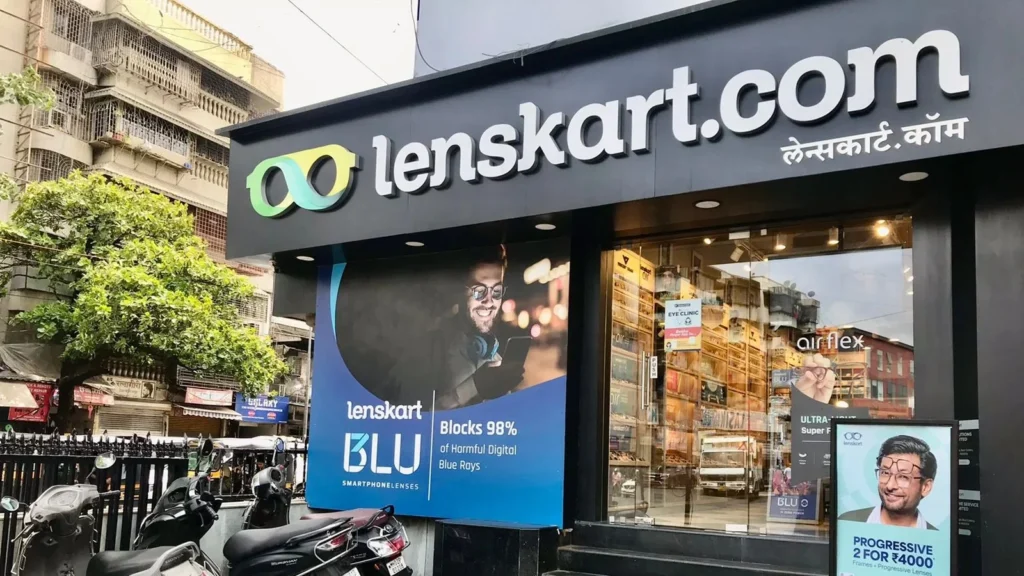
Lenskart IPO: Ambit Initiates Coverage with Sell Rating
Lenskart, which is set to list on the Indian stock markets on Monday, has received its first sell rating from Ambit. The brokerage firm has initiated coverage of the company with a target price of Rs 337, implying a 16% downside from the current market price of Rs 402.
While acknowledging Lenskart’s strong brand and growth prospects, Ambit believes that the company’s capital-intensive business model, muted return ratios, and stretched valuations make the risk-reward unattractive at current levels. This is a critical consideration for Indian investors looking to diversify their portfolios.
Capital-Intensive Business Model
Ambit notes that Lenskart’s made-to-order eyewear model demands significant capital investment, keeping returns muted despite healthy growth. The firm expects free cash flow to turn positive only by fiscal 2028, weighed down by a planned Rs 2,000 crore capex over fiscal 2025–2028. This level of investment is substantial and will impact Lenskart share price movements.
With utilisation levels at around 65%, well below peers’ 80%, scaling up operations will require steady investment in capacity and infrastructure. This, coupled with goodwill from acquisitions such as Owndays and Stellio, leaves the balance sheet asset-heavy and restricts capital efficiency. Investors should consider the impact of these factors on Indian stock market news and trends.
Growth Prospects and Valuations
Lenskart is expected to deliver around 20% revenue CAGR over financial year 2025–2028, led by continued expansion in India and growing global presence through brands like Meller and Owndays. The company’s store count is projected to rise at a 17% CAGR, supported by higher productivity from organised market share gains.
Margins are also set to improve, driven by operating leverage and better store maturity. Ambit estimates Ebitda margin expansion of about 630 basis points (pre-IND AS 116) over fiscal 2025–2028. However, despite these gains, return ratios remain subdued, with RoCE at around 9% and RoIC at 13% — far below peers such as Trent and Nykaa, which deliver 35–40%. This disparity in returns is a key concern for investors tracking Nifty trends and seeking high-growth stocks.
At the current price, Lenskart trades at an implied ~55× FY28E EV/Ebitda for its India business — about 20–30% higher than Trent and Nykaa’s BPC divisions. Ambit argues that such rich valuations are unwarranted, given Lenskart’s lower profitability and capital returns. This overvaluation could potentially impact Sensex levels and broader market sentiment.
Conclusion and Investment Strategy
In conclusion, while Lenskart presents a compelling growth story, its valuation and capital-intensive business model pose significant risks for investors. As such, Ambit’s sell rating serves as a cautionary note for those considering investing in the company’s IPO. Investors should carefully evaluate these factors and consider stock market analysis before making any investment decisions.
For Indian investors looking to navigate the complexities of the stock market, it is essential to stay informed about market trends and to develop a well-diversified investment strategy. This includes keeping abreast of Indian stock market news, analyzing company financials, and seeking professional advice when necessary.