Buying gold jewellery offers poor returns compared to financial gold like ETFs, coins, or bars. Discover smarter ways to invest in gold in India.
Gold has always been India’s beloved wealth symbol. Weddings, festivals, or family heirlooms — almost every household treasures this shiny metal. But here’s a question few ask: is buying gold jewellery really making you richer?
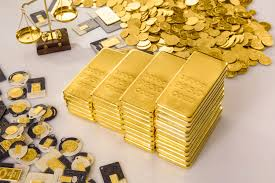
Recent research from Kotak Institutional Equities sends a clear warning to India’s gold-loving households: gold jewellery is one of the least efficient ways to invest in gold. While the cultural and emotional value of jewellery is undeniable, its financial returns often fall short.
In this blog, we explore why jewellery lags behind financial gold, how Indian households can invest smarter, and what this trend means for the broader economy.
The Hidden Costs of Gold Jewellery
Gold jewellery is not just about the metal. The price you pay often includes:
- Making charges: Labour fees for crafting intricate designs.
- Gemstones: Diamonds or other stones, which may not appreciate like gold.
- Retail markups: Premiums charged by shops for brand and design.
Kotak’s analysis reveals a striking fact: between FY2011 and H1 FY2026, household jewellery purchases delivered an internal rate of return of only 10.3%, compared with gold’s 12.5% CAGR over the same period. Essentially, much of the gold’s price appreciation is eaten up by embedded costs.
Summary:
While jewellery holds emotional value, its high premiums and embedded costs make it financially inefficient. Investors often earn less than the market growth of gold itself.
Financial Gold: A Smarter Alternative
Instead of jewellery, investors can turn to financial gold, which includes:
- Gold ETFs (Exchange-Traded Funds): Traded like stocks on the stock exchange.
- Gold coins and bars: Pure gold with no making charges.
- Bullion: Larger investments often used by serious investors.
Advantages over jewellery:
- Lower Costs: No making charges or gemstone markups.
- Transparency: Market-linked pricing ensures you pay or receive fair value.
- Liquidity: Easy to buy and sell without waiting for retail processing.
- Better Returns: Close tracking to global gold prices.
Example: A ₹1 lakh gold ETF purchase in 2015 could now be worth roughly ₹3 lakh, depending on market trends — without the losses incurred through jewellery making charges.
Summary:
Financial gold is efficient, transparent, and liquid, making it superior for wealth creation compared to jewellery.
Why Indians Keep Buying Jewellery Despite Poor Returns
Despite the numbers, jewellery continues to dominate household gold holdings. Why?
Cultural Significance
- Weddings and festivals: Gold is integral to rituals, gifts, and ceremonies.
- Status symbol: Wearing gold signifies prosperity and prestige.
Emotional Security
- Financial safety net: Gold is often seen as a hedge against inflation or emergencies.
- Legacy asset: Passed down through generations, even if its liquidity is limited.
Psychological Factors
- FOMO (Fear of Missing Out): Rising gold prices trigger impulsive buying.
- Visible wealth: Unlike ETFs in a bank account, jewellery is tangible and admired.
Summary:
Cultural and emotional factors make jewellery irresistible, but they don’t necessarily translate into financial efficiency.
Comparing Returns: Jewellery vs Financial Gold
Kotak’s research highlights the gap between perception and reality:
| Investment Type | FY2011 – H1 FY2026 Return | Notes |
|---|---|---|
| Jewellery | 10.3% IRR | Making charges, gemstones reduce returns |
| Gold Price (Market) | 12.5% CAGR | Pure gold appreciation without extra costs |
| ETFs/Coins/Bars | ~12–13% CAGR | Transparent, liquid, no extra charges |
Key Insight: For households to break even with jewellery, gold prices would need to rise another 25–30%, assuming gemstone prices remain stable.
Summary:
Jewellery returns often lag behind pure gold investments. Even a strong gold rally may not fully offset making charges.
Broader Economic Impact of Gold Preference
Rising Imports and Trade Deficit
India imports most of its gold. When households invest heavily in jewellery, imports rise, affecting:
- Trade deficit: More gold bought than exported.
- Current account deficit: Widened by higher import bills.
Strain on Foreign Reserves
Unlike financial assets attracting foreign capital, gold imports drain foreign exchange reserves, making the economy vulnerable to global gold price swings.
Lower Financial Asset Adoption
When households favor gold over equities or savings, it slows capital formation, potentially reducing growth in sectors dependent on domestic investment.
Summary:
A household preference for jewellery over financial assets has macroeconomic consequences, impacting trade, reserves, and investment flows.
How to Invest in Gold Wisely
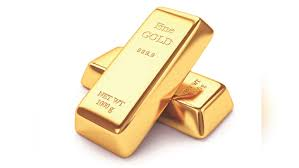
1. Start with Financial Gold
- ETFs: Convenient and low-cost for small and large investors.
- Coins and bars: Safe for long-term holding, easy to liquidate.
2. Diversify Across Asset Classes
Don’t put all your money in gold. Combine:
- Equities or mutual funds.
- Debt instruments for stability.
- Financial gold for inflation hedge.
3. Avoid Emotional Purchases
- Set a budget: Jewellery purchases for rituals or gifts, not wealth creation.
- Track market prices: Buy during dips, not impulsively.
4. Use Digital Platforms
Several fintech platforms offer gold purchase and storage digitally, making it safe and transparent.
Summary:
Smart gold investing balances emotional needs with financial efficiency, using ETFs, coins, and diversified portfolios.
Case Study: Family Investing ₹5 Lakh in Gold
Scenario 1: Jewellery Purchase
- ₹5 lakh spent on necklace with 10% making charges.
- Current market value of gold: ₹5.6 lakh.
- Effective return after costs: ~5%
Scenario 2: Gold ETF Purchase
- ₹5 lakh invested in ETF, no extra charges.
- Current value: ₹6.25 lakh.
- Effective return: ~12.5%
Lesson: The same investment in jewellery delivers nearly half the returns compared to financial gold.
Tips for Indian Households
- Separate jewellery and investment goals: Jewellery for rituals, ETFs for wealth creation.
- Monitor gold prices: Avoid FOMO buying during peaks.
- Prioritize liquidity: Financial gold can be sold easily during emergencies.
- Plan for life events: Weddings or education expenses should consider both emotional and financial perspectives.
Summary:
Clarity of purpose and disciplined investing can prevent households from losing potential wealth to jewellery premiums.
Key Takeaways
- Jewellery carries emotional value but poor financial returns.
- Financial gold (ETFs, coins, bars) offers efficiency, transparency, and liquidity.
- Heavy gold imports via jewellery affect India’s macroeconomy.
- Smart investing involves diversification and separating emotional purchases from wealth creation.
- Planning, research, and digital tools enhance long-term gold investment success.