IRB Infrastructure bags ₹9,270 cr NHAI TOT-17 project for 366 km in UP — a landmark 20-year toll-operate-transfer deal that could reshape its future.
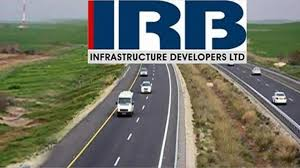
Imagine you’re driving on a highway stretching through some of India’s most sacred and historically rich landscapes — from Lucknow to Ayodhya to Gorakhpur. Now imagine that same highway, instead of being just a route, becomes a massive investment opportunity. That’s precisely what’s happening with IRB Infrastructure, which recently clinched a ₹9,270 crore TOT-17 project from NHAI. This is more than just a contract — it’s a potential game-changer for an infrastructure giant, and for investors watching India’s road-monetisation story.
In this post, I’ll walk you through what this deal really means, why the markets are buzzing, what risks lie ahead, and whether IRB’s future might be a highway worth riding. (Yes — I’ll drop some finance jargon, but I’ll also explain it like I’m telling a friend who doesn’t speak Wall Street.)
What Exactly Has IRB Won — And Why It Matters
IRB’s Big Win: The TOT-17 Project
- What is the project?
IRB Infrastructure Trust (its InvIT arm) has received a Letter of Award (LoA) from the National Highways Authority of India (NHAI) for the TOT-17 bundle. - Where?
- ~366 km of highway across Uttar Pradesh.
- Specifically, this includes:
- The Lucknow–Ayodhya–Gorakhpur stretch of NH-27
- Part of the Lucknow–Sultanpur–Varanasi corridor on NH-731.
- Financials:
- Upfront payment of ₹9,270 crore to NHAI.
- Concession (i.e., IRB will operate toll collection) for 20 years, under a revenue-linked model.
- The tariff structure includes a 3% fixed annual increase plus 40% linked to the Wholesale Price Index (WPI).
- Strategic importance:
- This corridor is not just a road; it’s a religious tourism route — Ayodhya, Gorakhpur, these are emotionally and culturally significant destinations. Virendra D. Mhaiskar (IRB chairman & MD) called the win “pivotal” because of that.
- With this deal, IRB’s platform apparently commands ~42% of the TOT (Toll-Operate-Transfer) market.
- The company also projects its total asset base (across its InvITs and other holdings) could rise significantly.
Key Takeaway:
IRB hasn’t just landed another highway project — it’s secured a long-term tolling monopoly (20 years) on a spiritually significant, high-traffic corridor. This could materially strengthen both its earnings and its infrastructure portfolio.
Why the Market Reacted (Shares Jumped, but Investors Aren’t Blind)
Stock Reaction & Sentiment
- On the day of the announcement, IRB Infrastructure shares spiked.
- According to Economic Times, the stock rose ~7% to around ₹46.
- Upstox reported a ~6.4% intraday jump.
- According to NewsDrum, shares hit ₹45.93 on the BSE.
- Why the rally? There’s genuine optimism, because:
- Big-ticket, long-term contract → signals strong future cash flow.
- Monopoly potential on a key corridor → 20-year concession gives IRB time to monetise.
- Strategic relevance → religious tourism corridor could mean stable volumetric traffic.
- Growth ambition → supports IRB’s stated plan to scale its asset base.
But — Why Some Investors Are Still Wary
Despite the big headline, not all investors are throwing caution to the wind. Here are a few red flags:
- Balance Sheet Risk
- According to one analysis, IRB’s debt is very high.
- High leverage can eat into future cash flows, especially if things don’t go as planned.
- Promoter Stake Concerns
- Some reports suggest IRB’s promoter share has come down dramatically (to as low as 0.27% in one analysis).
- Such erosion might raise governance or control questions.
- Execution Risk
- A 20-year concession is long — many things can go wrong (cost overruns, regulation, traffic shortfalls).
- Inflation, changes in toll policy, macro slowdowns — all risks to road traffic or maintenance costs.
- Valuation vs Reality
- While the upfront ₹9,270 crore payment looks massive, it’s not pure profit — a large part will go into operations, maintenance, and financing costs.
- The true payoff depends on how well IRB can run the tolling business, manage costs, and scale volumes.
Key Takeaway:
The market’s positive reaction is justified — but it’s not blind euphoria. IRB’s win is huge, but deep-pocket investors and long-term holders will be watching execution, cost discipline, and how the company manages its leverage.
What the TOT Model Means for IRB’s Business
To appreciate why this deal matters so much, it’s important to understand what “TOT” (Toll-Operate-Transfer) is, why NHAI is doing it, and why IRB wants in.
What Is NHAI’s TOT Program?
- The TOT (Toll-Operate-Transfer) model is part of NHAI’s asset monetisation drive.
- Under TOT:
- NHAI hands over toll-collecting rights for certain highways to private players or InvITs.
- These players (like IRB) pay an upfront “concession fee” to NHAI. For TOT-17, that’s ₹9,270 crore.
- In return, they get to operate the highway, collect tolls, maintain it, and earn revenue over a long concession period (here, 20 years).
- The idea: NHAI immediately raises capital (via the upfront payment) while shifting maintenance and traffic risk to private players. It’s a way for the government to monetize its infrastructure without selling it permanently.
Why IRB Loves the TOT Model
- Steady Revenue + Predictability
- Toll revenue over 20 years can be a recurring, predictable stream, if traffic remains stable or grows.
- With the fixed annual increase + WPI component in toll revisions, there’s some inflation hedge built-in.
- Asset Acceleration
- For IRB, this build-up of road assets (or monetisation rights) helps scale its InvIT business and increases its asset base.
- According to IRB, with this deal, its asset portfolio across platforms could rise significantly.
- They even eye a “₹1 lakh crore” asset base in future — that’s no small ambition.
- Strategic Control
- By winning TOT-17, IRB strengthens its foothold in an emotionally (tourism-wise) and commercially important corridor.
- A 42% market share in TOT business (as claimed) gives IRB serious pricing power and strategic advantage.
- Long-Term Value
- Instead of just building highways and selling them, IRB is locking in long-term cash flows.
- It’s a model that aligns investors’ interests (especially InvIT investors) with long-term infrastructure monetisation.
Key Takeaway:
The TOT model is the backbone of why this ₹9,270 cr deal is not just another construction contract — it’s a long-term revenue engine for IRB, enabling scale, control, and strategic growth.
Risks & Challenges: What Could Go Wrong?
Every big deal comes with its own set of risks. For IRB, here are the primary ones to watch out for — and why they matter.
1. Traffic Risk / Volume Risk
- The 20-year concession assumes that toll traffic will be strong (or at least stable) over time. But factors like:
- Economic slowdown,
- Fuel cost spikes,
- Alternate routes / infrastructure development,
- Regulatory changes in tolling policy,
- Natural disasters / environmental issues
2. Cost Overrun & Maintenance Risk
- After taking over, IRB is responsible for operations and maintenance (O&M) of the highway.
- Over 20 years, the cost of maintenance, repair, and upgrade can be significant.
- Inflation, rising labor/material costs, or engineering challenges could compress IRB’s margins.
3. Financial Leverage and Debt
- As per analysis, IRB’s debt is already high.
- Interest servicing can take a big bite out of cash flows, especially in a low-margin, cap-ex-heavy business like toll roads.
- If cash flow generation underperforms, servicing debt and paying for O&M could become difficult.
4. Governance Risk (Promoter Stake & Control)
- Reports suggest promoter stake erosion (to ~0.27%) in IRB.
- Lower promoter skin in the game can concern long-term investors: will they remain committed to driving value, or take shortcuts?
5. Regulatory Risk
- Concession agreements can be renegotiated or reneged upon under certain political or policy regimes.
- Toll rate revisions tied to WPI introduce inflation risk, but also uncertainty — WPI can be volatile.
6. Exit Risk for InvIT Investors
- For investors in the IRB Infrastructure Trust (InvIT), their returns depend on long-term toll revenues, not just construction margin.
- If traffic disappoints or costs balloon, distributions (payouts) may suffer.
Key Takeaway:
While the headline ₹9,270 cr deal is exciting, IRB’s path is not smooth. Execution risk, debt burden, and long-term traffic dynamics will determine whether this becomes a cash-flow-generating gem — or a too-heavy bet.
Why This Deal Is Bigger Than Just IRB — Macro Implications for India’s Infrastructure
Looking beyond IRB, this project win signals something important for the broader infrastructure and monetisation story in India:
- NHAI’s Asset Monetisation Strategy Is Working
- The TOT model is one way the government is raising capital without selling assets permanently.
- Deals like TOT-17 show that big private players are ready to pay serious money, which boosts NHAI’s ability to re-invest in new roads or other projects.
- Long-Term Infrastructure Financing Shift
- Infrastructure is no longer just build-and-sell. Private players like IRB are now becoming long-term operators.
- This alignment means more stable infrastructure, but also more risk sharing.
- Religious Tourism as an Infrastructure Driver
- The religious tourism corridor (Ayodhya, Gorakhpur) isn’t just spiritually important — it’s commercially strategic.
- Roads in such corridors can attract consistent traffic, especially during pilgrimage seasons, giving monetisation players a potentially stronger base.
- Private Capital Trust in Public Assets
- A 42% market share in TOT space for IRB suggests that private capital has increasingly strong confidence in public-private monetisation models.
- This could encourage more investors to participate in infrastructure via InvITs, SPVs, or similar vehicles.
Key Takeaway:
IRB’s win isn’t an isolated success. It reflects a maturing infrastructure-monetisation ecosystem in India — one where highways are not just built, but run as long-term, cash-flowing businesses.
Should Investors Care — And What Should They Do Now?
If you’re watching this from an investing perspective (or even just curiously), here’s how to think about it:
- Long-Term Value Plays
- If you believe in India’s infrastructure growth, especially road monetisation, IRB is now a more interesting play than just a construction company.
- For long-term investors, this TOT-17 win may be a cornerstone of IRB’s future revenue base.
- Balance Your Risk
- Given the execution risks, keep your position size reasonable.
- Monitor IRB’s debt levels, its cash flow from toll operations, and how well they maintain the highway.
- Keep an Eye on Earnings
- Watch IRB’s quarterly results, not just for construction revenue but for InvIT distributions, O&M cost trends, and toll revenue.
- How IRB delivers on the 20-year concession will be the real proof.
- Consider InvIT Exposure
- If you’re an investor more interested in stable cash flows, consider whether you want exposure via IRB Infrastructure Trust (if accessible), not just the parent company.
- InvITs might provide more predictable income, but also come with their own risk around traffic and distributions.
- Watch Macro and Policy Moves
- Pay attention to NHAI’s overall monetisation pipeline. More TOT bundles or favorable policy decisions could benefit IRB and its peer group.
- Inflation and WPI trends matter — since toll rate revisions are partially tied to WPI.
Key Takeaway:
IRB Infra’s TOT-17 win is a compelling long-term story, but not a sure-shot free ticket. Smart investors should see it as a potential core infrastructure play, but manage risk actively and stay tuned to execution.
What This Means for IRB’s Long-Term Vision
Putting it all together, here’s what this ₹9,270 crore award could mean for IRB’s future — and how it might reshape its trajectory.
- Asset Base Expansion: This deal could add meaningfully to IRB’s assets under management via its InvIT, pushing it closer to its aspirational ₹1 lakh crore target.
- Toll Revenue Growth: With 20 years of tolling rights, IRB’s cash flow profile could become more stable and predictable, assuming traffic holds up.
- Market-Leading Position: A 42% share in TOT business gives IRB a dominant position. If it executes well, it can be a preferred bidder for future monetisation bids.
- Brand & Strategic Leverage: Running a corridor like Lucknow-Ayodhya-Gorakhpur boosts IRB’s credibility for other big projects—especially in religiously or commercially important corridors.
- Capital Structure Stress Test: This will also be a test of IRB’s financial discipline. The burden of maintaining leverage, servicing debt, and ramping up operations could define whether IRB becomes a sustainable toll-operator or overextends itself.
Key Takeaway:
This is not just a one-off win. If IRB navigates execution well, this could deepen its moat, strengthen its cash flows, and make it a central player in India’s highway monetisation future.
Conclusion
IRB Infrastructure’s ₹9,270 crore TOT-17 project from NHAI is far more than a headline-grabbing deal — it’s a foundational step in its evolution from a highway builder to a long-term toll operator. The 20-year concession offers the promise of steady revenue, scale, and strategic control. But with that promise comes real risk: debt leverage, execution challenges, traffic uncertainty, and governance questions.
For investors and watchers, here’s what matters most:
- Balance optimism with pragmatism — The deal is huge, but not risk-free.
- Monitor execution — Toll collection, maintenance, and cost management will decide success.
- Be in it for the long run — This is not a quick flip; the real value unlocks over years.
- Position wisely — Use IRB or its InvIT exposure depending on your risk tolerance and investment horizon.
Question for You (Call to Action):
If you were in IRB’s shoes, how would you plan to manage this massive project over 20 years? What worries you more — traffic risk or debt risk — and how would you hedge it?