Iran Unrest: A New Risk for Oil Traders
The oil market is becoming increasingly responsive to events in Iran, where there have been deadly protests — and threats of US retaliation — in the past several days. Brent oil futures have risen more than 4% in the past two sessions — having previously given up all gains from the aftermath of US forces capturing Venezuelan president Nicolás Maduro at the weekend.
Traders are also paying the biggest premiums for insurance against a future rally since Israel and Iran exchanged air strikes in the summer. While the situation in Venezuela quickly turned into a price drag as it emerged that the US planned to take millions of barrels of the nation’s oil to the global market, Iran is a far bigger producer and exporter, and so any supply disruption there would be more impactful.
Understanding the Iran-Venezuela Dynamic
The death toll in Iran since the unrest began late last year has risen to 42, according to the US-based Human Rights News Agency, which tracks protests and the activities of political activists in Iran. In an interview, US President Donald Trump reiterated warnings to Tehran against killing protesters, saying “if they do that, they’re going to have to pay hell.”
For Indian investors looking to navigate these geopolitical risks, it’s essential to understand the oil market trends and how they impact the global economy. The Indian stock market is closely tied to global events, and staying informed is crucial for making informed investment decisions.
Impact on Oil Prices and Indian Economy
The global head of oil at Trafigura Group, one of the world’s top commodity traders, told Bloomberg TV this week that the bullish wild card the oil market is currently worried about is Iran, rather than risks to Venezuelan supply. Tehran has restricted internet and phone access as part of efforts to curb protests that are the biggest challenge to the country’s Supreme Leader Ayatollah Ali Khamenei since a nationwide uprising in 2022.
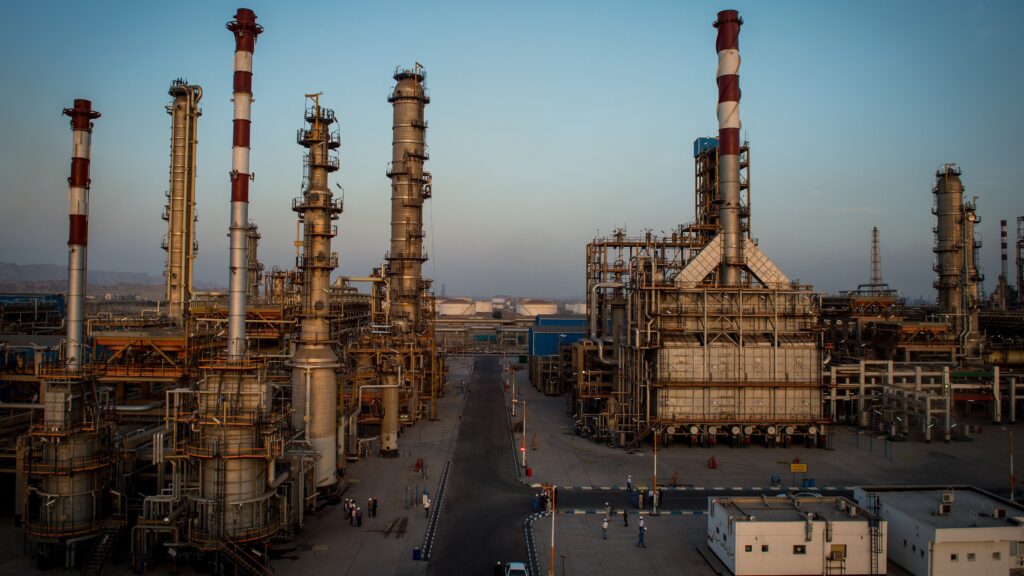
Iran has managed to recover from US sanctions and export controls. The Persian Gulf state produces more than 3 million barrels a day of crude, as well as further volumes of natural gas and other light liquids. Its exports stood at around 2 million barrels a day in October and November, the vast bulk of it going to China. For Indian investors looking to invest in the energy sector, understanding these dynamics is crucial.
Investment Strategies for Indian Investors
The Iranian risk is amplified because oil traders have been holding large bearish wagers in anticipation of an oversupply, leaving room for a sharp reversal if those bets unwind. Trend-following commodity trading advisors were buying crude on Thursday and will continue to do so in the coming days if prices hold, according to James Taylor, head of the quant service at Energy Aspects.
Those moves have been coupled with bullish options flows, with more than 750,000 Brent calls trading this week, the most since October, including large volumes of $80 calls, a trade people involved in the market said was a hedge against a spike. Over the coming days, RBC also estimates that more than $6 billion will flow into the market from an annual rebalancing by commodity index funds, adding to the bullish tailwinds from geopolitical risks.
For Indian investors looking to navigate these complex market dynamics, it’s essential to stay informed about global market trends and investment strategies. By understanding the impact of geopolitical events on the oil market and the Indian economy, investors can make informed decisions and mitigate risks.