India Pushes To Expand Rupee Settlement With Key Trade Partners
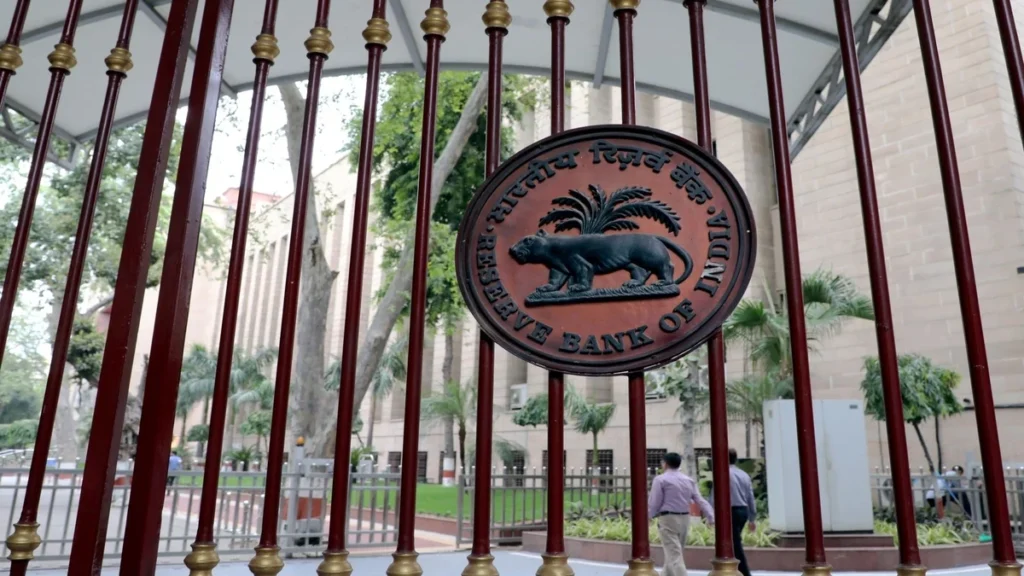
India’s central bank is taking active steps to allow free-trade partners to settle transactions with it more easily in the rupee, a person familiar with the matter said, a move that could help boost the local currency over time.
Initial steps include establishing direct rupee rates that don’t rely on a third currency, such as the US dollar, for cross-reference, said the person familiar with the central bank’s thinking, asking not to be named because the discussions are private.
Background and Context
Earlier this month, the Reserve Bank of India said it will establish reference rates for the UAE’s dirham and Indonesia’s rupiah, adding to existing links with the US dollar, Japanese yen, euro, and British pound. The central bank is also actively developing reference rates for its neighbours and Mauritius, the person said.
The moves are part of Prime Minister Narendra Modi’s effort to push greater use of the rupee in international transactions, mirroring similar efforts by China and other regional peers. Greater local currency use lowers risks and costs for companies, reduces the need for holding higher foreign exchange reserves and makes the economy less vulnerable to external shocks.
Why is a Strong Rupee Important for India?
India sees having a credible international currency as vital to its goal of becoming a “developed nation” by 2047. The International Monetary Fund expects the South Asian nation to surpass Japan as the world’s fourth-largest economy this year and overtake Germany to rank third by 2027-28.
India also views a multi-currency regime as a stable and desirable option for global trade settlements, the person said. To learn more about multi-currency regime and its implications, click here.
Current State of the Rupee
The rupee is Asia’s worst-performing currency after the rupiah this year. The Indian currency has been weighed down by near-record outflows from local stocks amid concerns over exceptionally high US tariffs. The central bank recently stepped into the market, with heavy dollar sales by the authority helping the currency reverse some losses.
For more information on the rupee performance and how it affects the Indian economy, read our in-depth analysis.
India’s Free-Trade Agreements
India has free-trade agreements with more than a dozen countries and blocs, including deals signed with the UK, Australia, and the UAE in recent years. The country is also negotiating similar agreements with the US, the EU, Peru, Oman, and New Zealand, among others.
In addition, India has six preferential trade agreements, while members of the European Free Trade Association — Iceland, Liechtenstein, Norway, and Switzerland — and India signed a comprehensive Trade and Economic Partnership Agreement in March 2024.
To understand the impact of free-trade agreements on the Indian economy and stock market, visit our website.
Challenges and Opportunities
It’s a difficult balancing act as New Delhi wants to avoid having the moves seen as a push for de-dollarisation. US President Donald Trump has repeatedly attacked the BRICS grouping of nations, accusing it of trying to develop a common currency to undermine the dollar. India has denied any such intent.
“The focus of authorities is on internationalisation of the rupee by increasing its usability for trade and capital transactions among neighbouring countries,” said Gaura Sen Gupta, chief economist at IDFC FIRST Bank. “It’s never been portrayed as a de-dollarisation move.”
For more insights on de-dollarisation and its effects on the global economy, read our expert analysis.
Conclusion
India’s push to expand rupee settlement with key trade partners is a significant step towards increasing the usability of the rupee in international transactions. While there are challenges ahead, the potential benefits of a strong rupee and a multi-currency regime make this effort worthwhile.
Stay updated on the latest developments in the Indian economy and stock market by visiting our website and following our stock market news section.