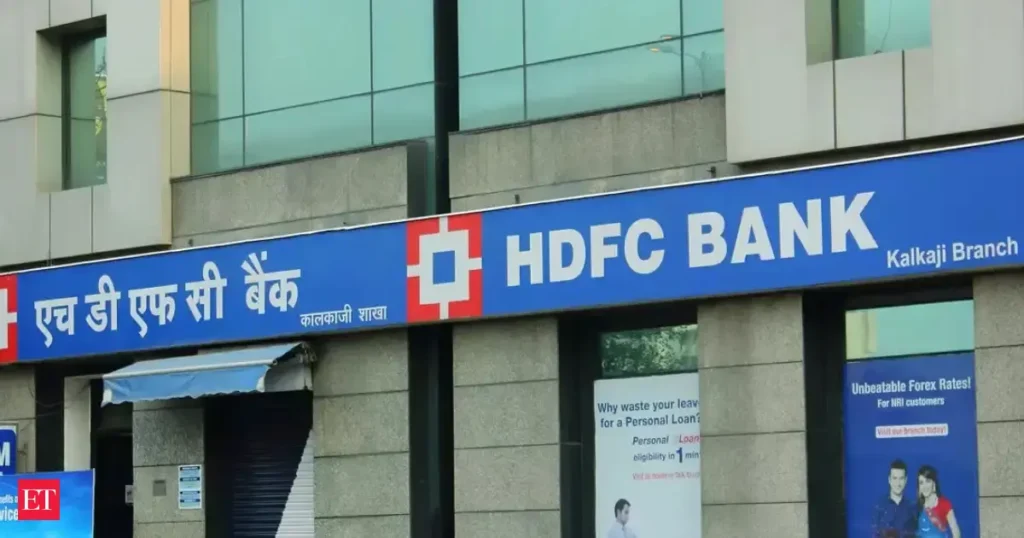
HDFC Bank Chairman’s Sudden Exit: What It Means for Indian Investors
The Indian banking sector has been rocked by the sudden resignation of HDFC Bank’s part-time chairman, Atanu Chakraborty. The news has sent shockwaves through the market, with investors reacting sharply and leading to a dip in stock prices. In this article, we will delve into the details of the resignation, the response from the Reserve Bank of India (RBI), and what it means for Indian investors.
The Resignation: What Happened?
Atanu Chakraborty, the part-time chairman of HDFC Bank, resigned from his position abruptly, leaving the bank and its investors stunned. The reasons behind his resignation are still unclear, with the bank’s management expressing uncertainty regarding the circumstances surrounding his departure.
Despite the lack of clarity, the bank’s management has already commenced the search for a new permanent chairman to ensure continuity. This move is aimed at reassuring investors and maintaining stability in the bank’s operations.
RBI’s Response: Reassuring Markets
The RBI has assured markets of robust governance at HDFC Bank, following the resignation of Atanu Chakraborty. The central bank’s statement has helped to calm nerves in the market, with investors taking comfort in the fact that the RBI is closely monitoring the situation.
The RBI’s response is crucial in maintaining investor confidence, especially in the wake of the recent Yes Bank crisis. The regulator’s assurance of robust governance at HDFC Bank is a positive sign, indicating that the bank’s operations are stable and that investors’ interests are being protected.
Impact on Investors: What to Expect
The sudden resignation of Atanu Chakraborty has led to a dip in HDFC Bank’s stock prices, with investors reacting sharply to the news. However, the bank’s management has reassured investors that the resignation will not affect the bank’s operations or its growth prospects.
For Indian investors, the resignation of Atanu Chakraborty is a reminder of the importance of diversification in investing. It is essential to have a well-diversified portfolio to mitigate risks and ensure that investments are not overly exposed to any one particular stock or sector.
Broader Implications: What It Means for the Indian Banking Sector
The resignation of Atanu Chakraborty has raised questions about the governance and leadership of Indian banks. The incident highlights the need for stronger corporate governance practices in the Indian banking sector, to ensure that banks are managed in a transparent and accountable manner.
The Indian banking sector is going through a period of significant change, with the PSB merger and the introduction of new banking regulations. The resignation of Atanu Chakraborty is a reminder that the sector needs strong and effective leadership to navigate these changes and ensure that banks are able to meet the evolving needs of their customers.
Conclusion
The sudden resignation of HDFC Bank’s part-time chairman, Atanu Chakraborty, has sent shockwaves through the Indian banking sector. While the reasons behind his resignation are still unclear, the RBI’s assurance of robust governance at the bank has helped to calm nerves in the market.
For Indian investors, the incident is a reminder of the importance of diversification in investing and the need to stay informed about the latest developments in the Indian banking sector. As the sector continues to evolve, it is essential to stay up-to-date with the latest news and trends, to make informed investment decisions. You can stay updated with the latest stock market news and trends by following our website.