Costa Rica’s Gradual Ban on Bee-Killing Pesticide: A Step Towards Sustainable Agriculture
Costa Rica will phase out the insecticide fipronil over two years to cut risks to bees and the environment while limiting disruption to farmers. Government officials announced the decision Friday. The move targets fipronil, a chemical widely used in agriculture and household products that has been linked to bee deaths.
The Importance of Bees in Agriculture
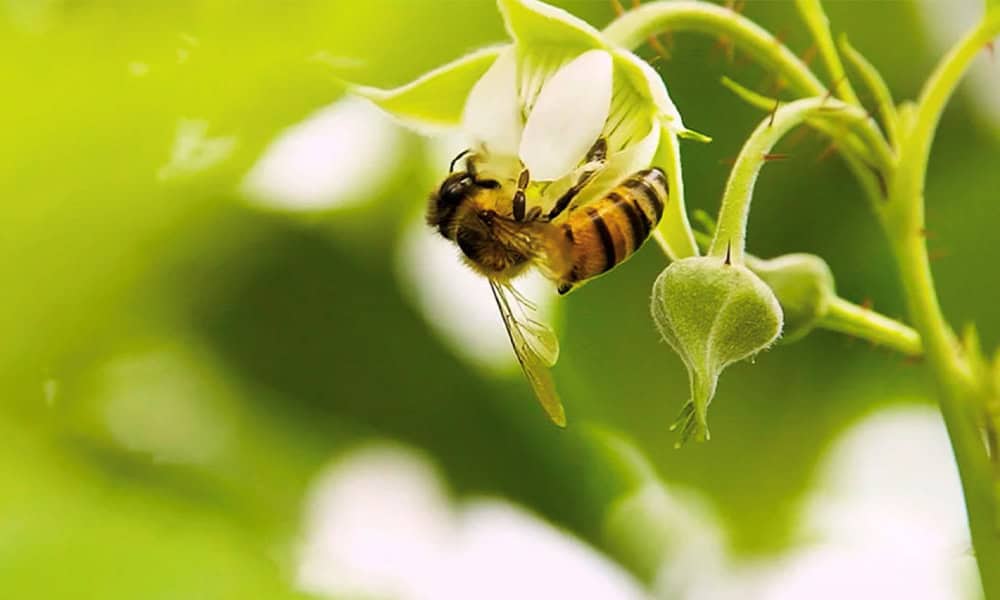
Bees play a crucial role in pollination and food production. Without them, many crops would be unable to reproduce, resulting in significant losses for farmers. The use of fipronil has been linked to bee deaths, making it a major concern for the agricultural sector.
According to Minister of Agriculture and Livestock Víctor Carvajal, fipronil is a powerful insecticide that kills everything, including beneficial insects like bees. This has significant implications for food production and the environment.
The Phase-Out Process
The phase-out of fipronil will unfold gradually across 24 months. During the first year, importation, manufacture, sale, and use of fipronil will continue under regulated conditions. After that, authorities will ban its import, export, and production, although existing stock may still be used.
Regulations allow limited exceptions for phytosanitary emergencies, subject to direct government approval. This will ensure that farmers are not left without alternatives in case of emergencies.
Impact on Farmers and the Environment
The ban on fipronil is expected to have a significant impact on farmers and the environment. Beekeepers have already reported heavy losses due to the chemical, with one beekeeper losing between 40 and 45 of his hives.
Laboratory tests confirmed that fipronil caused the deaths, resulting in a total loss for the beekeeper. The removal of fipronil from the market is expected to reduce the risk of bee deaths and protect the environment.
Alternative Solutions for Farmers
The agricultural sector will need to shift to new tools and methods to keep output steady without raising environmental harm. This may include the use of more modern agrochemicals that allow for lower doses, reduced production costs, and safer products.
For more information on sustainable agriculture practices, visit our website. We provide insights and analysis on the latest trends and developments in the agricultural sector.
Conclusion
The gradual ban on fipronil is an important step towards sustainable agriculture in Costa Rica. By protecting bees and the environment, the government is ensuring the long-term viability of the agricultural sector.
As the world grapples with the challenges of environmental protection and sustainable development, Costa Rica’s decision serves as a model for other countries to follow. For more information on environmental protection efforts, visit our website.
Related Articles
For more information on the latest developments in the agricultural sector, visit our website. We provide insights and analysis on the latest trends and developments in agricultural sector.