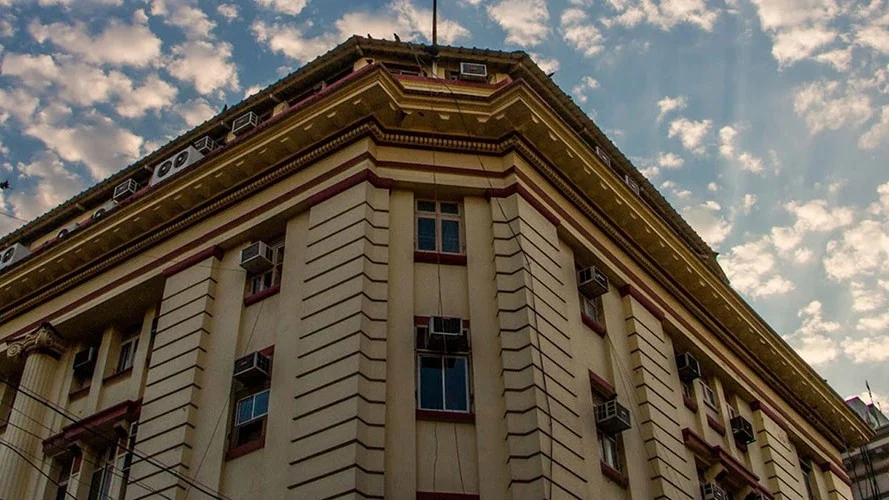
The Calcutta Stock Exchange: A 117-Year-Old Chapter Comes To An End
The Calcutta Stock Exchange, one of India’s oldest bourses, may celebrate its final Kali Puja and Diwali as a functioning stock exchange on Oct. 20, as per a report by PTI. This, once it happens, will mark an end to a 117-year-old chapter for the CSE, which has faced countless regulatory challenges, dwindling trade volumes, and legal battles over the years.
Regulatory Challenges And Dwindling Trade Volumes
Trading at the CSE had already been suspended since 2013 after the market regulator, Securities and Exchange Board of India (SEBI), halted operations over non-compliance with regulatory norms. While there have been efforts in the past decade to revive trading and even appeal against SEBI’s decision, the exchange, as per the report, is now looking to shut shop for good.
Denial From The Calcutta Stock Exchange
The Calcutta Stock Exchange on its part has denied the report about its closure, calling them incorrect. Exchange officials told NDTV that the CSE remains operational and has not received any regulatory approval to wind down its business. The exchange has also said that it will issue an official statement after Diwali.
The Rise And Fall Of The Calcutta Stock Exchange
CSE’s biggest blow came in 2013 when SEBI decided to suspend trading in the exchange. SEBI’s decision came on the back of the exchange’s supposed failure to comply with key regulations.
The Ketan Parekh Scam And Its Aftermath
The final blow came in 2001 when the Ketan Parekh scam came to light. A stockbroker by trade, Parekh utilised loopholes in CSE to inflate the prices of select stocks, known as K-10 stocks.
Loss Of Relevance And The Rise Of BSE And NSE
The domination of BSE and NSE serves as a key reason behind CSE’s downfall, coupled with other factors, including an effective loss of relevance. CSE began to lose ground, particularly after the Dot Com boom in the early 2000s, when the stock exchange struggled to transition to a technology-driven world of finance.
What Does This Mean For Indian Investors?
The closure of the Calcutta Stock Exchange may not have a significant impact on the overall Indian stock market, but it does mark the end of an era. Indian investors can still trade on the BSE and NSE, which offer a wider range of stocks and better trading facilities.
Investing In The Indian Stock Market
For those looking to invest in the Indian stock market, it’s essential to do your research and stay up-to-date with the latest market trends. You can learn more about stock market investing and how to make informed investment decisions.
Conclusion
The Calcutta Stock Exchange may be closing its doors, but the Indian stock market continues to evolve and grow. As an investor, it’s crucial to stay informed and adapt to the changing market landscape. Stay ahead with the latest news and updates from the Indian stock market, and make informed investment decisions to achieve your financial goals.