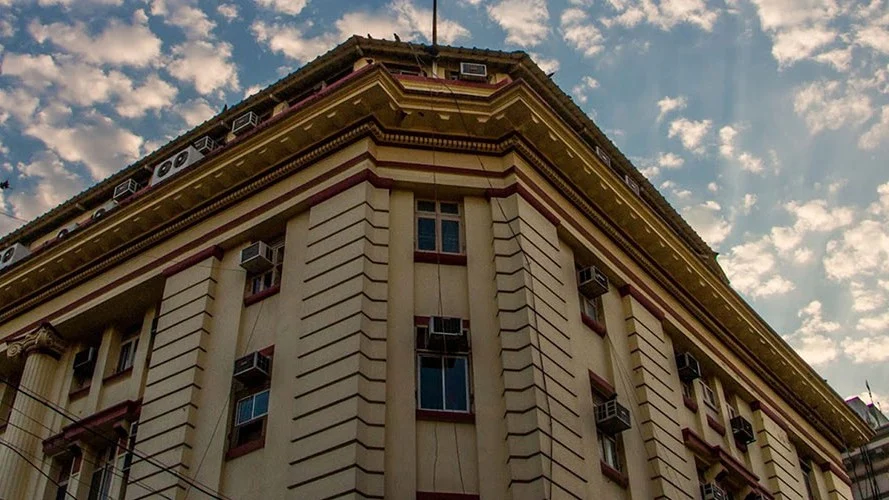
Introduction to the Calcutta Stock Exchange
The Calcutta Stock Exchange (CSE), one of India’s oldest bourses, has been a significant part of the country’s stock market history. Established in 1908, the CSE has been in operation for over 117 years, providing a platform for companies to raise capital and for investors to buy and sell securities. However, the exchange has been facing significant challenges in recent years, including regulatory issues, dwindling trade volumes, and legal battles.
The Final Diwali for the Calcutta Stock Exchange?
According to a report by PTI, the CSE may celebrate its final Kali Puja and Diwali as a functioning stock exchange on October 20. This would mark the end of an era for the CSE, which has been struggling to stay afloat in recent years. The exchange has denied the report, stating that it remains operational and has not received any regulatory approval to wind down its business. However, the writing seems to be on the wall, and it is likely that the CSE will eventually shut down its operations.
Regulatory Challenges Faced by the CSE
The CSE has faced numerous regulatory challenges over the years, which have contributed to its decline. In 2013, the Securities and Exchange Board of India (SEBI) suspended trading on the CSE due to non-compliance with regulatory norms. The exchange has been trying to revive trading and appeal against SEBI’s decision, but its efforts have been unsuccessful so far. The CSE’s inability to comply with regulations has been a major factor in its downfall, and it is likely that the exchange will not be able to recover from this setback.
For more information on SEBI and its role in regulating the Indian stock market, visit our page on SEBI guidelines. You can also learn more about the Indian stock market regulations and how they impact investors and traders.
Dwindling Trade Volumes and the Rise of the BSE and NSE
The CSE’s decline can also be attributed to the rise of the Bombay Stock Exchange (BSE) and the National Stock Exchange (NSE). These two exchanges have dominated the Indian stock market in recent years, and the CSE has struggled to compete with them. The BSE and NSE have been able to attract more listings and trading volumes, leaving the CSE with limited opportunities for growth. The CSE’s inability to adapt to the changing market landscape and its failure to innovate have also contributed to its decline.
To learn more about the Bombay Stock Exchange and the National Stock Exchange, visit our pages on these topics. You can also learn more about the Indian stock market trends and how they impact investors and traders.
The Ketan Parekh Scam and Its Impact on the CSE
The Ketan Parekh scam, which came to light in 2001, was a major blow to the CSE. The scam involved a stockbroker who used loopholes in the CSE to inflate the prices of select stocks, known as K-10 stocks. The scam significantly dwindled investor confidence in the CSE, and the exchange was never able to recover from this setback. The scam also led to tighter regulations, which the CSE was unable to comply with, ultimately contributing to its downfall.
For more information on the Ketan Parekh scam and its impact on the Indian stock market, visit our page on this topic. You can also learn more about stock market scams and how to avoid them.
Conclusion
The Calcutta Stock Exchange’s decline is a sad end to a 117-year-old chapter in Indian stock market history. The exchange’s inability to comply with regulations, dwindling trade volumes, and the rise of the BSE and NSE have all contributed to its downfall. While the CSE’s closure is not yet official, it is likely that the exchange will eventually shut down its operations. As the Indian stock market continues to evolve, it is essential for investors and traders to stay informed about the latest developments and trends. By visiting our website and learning more about the Indian stock market news, you can stay ahead of the curve and make informed investment decisions.