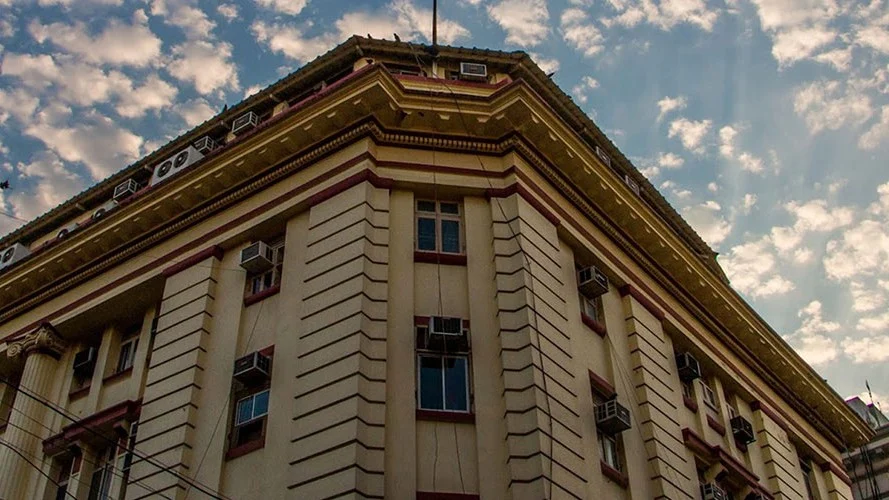
Calcutta Stock Exchange: The End of an Era as Voluntary Exit Looms
The Calcutta Stock Exchange, one of India’s oldest bourses, may this year celebrate its last Kali Puja and Diwali on October 20 as a functioning exchange, with the process of voluntary exit as a bourse nearing completion after a decade-long legal battle.
Background: The Rise and Fall of the Calcutta Stock Exchange
Founded in 1908, the 117-year-old institution once rivalled the Bombay Stock Exchange in trading volumes and stood as a symbol of Kolkata’s financial heritage. However, the decline began after the Rs 120-crore Ketan Parekh-linked scam triggered a payment crisis at the Calcutta Stock Exchange, as several brokers defaulted on settlement obligations.
The episode shattered investor and regulator’s confidence, resulting in a prolonged erosion of trading activity. Trading at CSE was suspended by SEBI in April 2013 following regulatory non-compliance. After years of efforts to revive operations and contest SEBI directives in courts, the exchange has now decided to back out of the business and seek a voluntary exit from its stock exchange licence.
Voluntary Exit: What’s Next for the Calcutta Stock Exchange?
According to CSE Chairman Deepankar Bose, “Approval has also been obtained from the shareholders vide EGM dated April 25, 2025 relating to the exit of the stock exchange business. Accordingly, CSE submitted the exit application to SEBI, which has, in turn, appointed a valuation agency for undertaking the valuation of stock exchange which is in progress.”
Once SEBI grants exit approval for stock exchange business, CSE will function as a holding company, while its 100 per cent subsidiary, CSE Capital Markets Pvt Ltd (CCMPL), will continue broking as a member of NSE and BSE. The regulator has also cleared the proposed sale of CSE’s three-acre property on EM Bypass to the Srijan Group for Rs 253 crore, expected to be executed post-exit approval by SEBI.
Impact on Investors and Traders
A nostalgic mood now prevails among the few members as CSE prepares for its last festive celebration as an independent bourse. “We began each day with a prayer to Goddess Lakshmi before trading till April 2013 when trading was suspended by the regulator. This Diwali feels like a farewell to that legacy,” said veteran stock broker Siddharth Thirani, recalling the bustle that once filled the Lyons Range floor till 1990s.
For investors and traders, the voluntary exit of the Calcutta Stock Exchange may not have a significant impact on their daily trading activities, as most of them have already shifted to other exchanges like NSE and BSE. However, it’s essential to understand the stock market regulations and how they affect the overall market.
Lessons from the Calcutta Stock Exchange’s Decline
The decline of the Calcutta Stock Exchange serves as a reminder of the importance of regulatory compliance and the need for exchanges to adapt to changing market conditions. It also highlights the significance of investor protection and the role of regulators in maintaining market integrity.
As the Indian stock market continues to evolve, it’s crucial for investors and traders to stay informed about the latest developments and trends. By following stock market news and analysis, they can make informed decisions and navigate the complexities of the market.