Introduction to Budget 2026 Tax Reforms
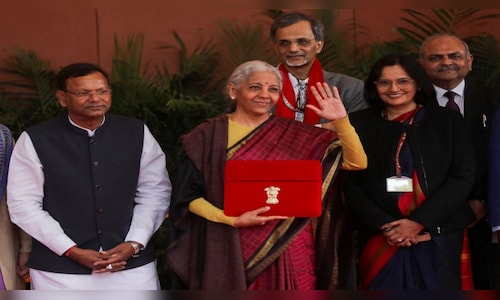
The Union Budget 2026, presented by Finance Minister Nirmala Sitharaman, has introduced several measures aimed at easing tax compliance, reducing litigation, and providing relief to specific taxpayer categories. The reforms cover income tax, TDS/TCS rules, foreign asset disclosure, dispute resolution, customs, and digital trade facilitation.
TDS Simplification and MAT Exemption
One of the key reforms is the simplification of Tax Deducted at Source (TDS) and the exemption of Minimum Alternate Tax (MAT) for non-residents paying tax on a presumptive basis. This move is expected to reduce litigation risks for taxpayers and simplify compliance obligations. TDS on property sales by NRIs will now be deducted using the resident buyer’s PAN instead of TAN, simplifying compliance.
Expansion of PROIs Investment and Accident Compensation Exemption
Individual Persons Resident Outside India (PROIs) will now be permitted to invest directly in equity instruments of listed Indian companies through the Portfolio Investment Scheme (PIS). This change expands investment access beyond existing channels and allows NRIs and other overseas residents to participate in India’s equity markets without intermediary restrictions. Additionally, interest awarded by Motor Accident Claims Tribunals to natural persons will be fully exempt from income tax, and no TDS will be deducted on such payments.
Reduction in TCS Rates and Liberalised Remittance Scheme
The Tax Collected at Source (TCS) rate on the sale of overseas tour packages has been reduced from 5%/20% to 2%, without any minimum threshold. This change significantly lowers the upfront tax liability for travellers and simplifies compliance for tour operators. Under the Liberalised Remittance Scheme (LRS), TCS for education and medical remittances abroad has been reduced from 5% to 2%, helping families sending funds overseas for tuition, higher studies, or medical treatment.
Update of Income Tax Returns and Immunity Framework
taxpayers will now be allowed to update income tax returns even after reassessment proceedings have begun, subject to payment of an additional 10% tax over the applicable rate. The immunity framework from penalties and prosecution has been expanded to cover cases of misreporting of income, in addition to previously covered underreporting cases. Non-production of books of accounts or documents and certain TDS procedural lapses have been decriminalised.
Buybacks of Shares and Taxation
Buybacks of shares will now be taxed as capital gains for all shareholders, while promoters continue to bear the additional buyback tax. This revision aligns tax treatment of buybacks with capital gains taxation, providing clarity and uniformity for investors. For more information on tax on buybacks, visit our website.
Conclusion
The Union Budget 2026 has introduced several tax reforms aimed at easing compliance, reducing litigation, and providing relief to specific taxpayer categories. These reforms are expected to boost investment, simplify compliance, and provide relief to taxpayers. For more information on tax reforms in India, visit our website.