Have you ever opened your bank app at the end of the month and wondered, “Where did all my money go?”
If yes, you’re not alone — and more importantly, you’re not bad with money.
In a world of flash sales, Cyber Monday Extended 55% off deals, instant loans, and social-media-fuelled lifestyles, saving and investing feels boring, slow, and confusing. Yet, it’s still the only reliable path to long-term financial security for most people.
Here’s the truth most gurus won’t tell you:
You don’t need to be brilliant, rich, or lucky to build wealth. You need a simple roadmap, patience, and the discipline to let money work for you.
This guide is that roadmap — rewritten in plain English, adapted for Indian realities, and grounded in real-life behavior, not textbook theory.
Why Saving Alone Is Not Enough Anymore
For decades, Indians were taught one golden rule: Save first, spend later.
While that advice still matters, saving alone can no longer protect your future.
The Silent Enemy: Inflation
Inflation quietly eats your money every year.
- ₹1,00,000 today won’t buy the same groceries, education, or healthcare after 10 years
- Fixed deposits often struggle to beat real inflation
- Cash sitting idle is slowly losing power
Saving is like parking your car safely.
Investing is driving it toward your destination.
Real-Life Example
If you saved ₹10,000 per month for 20 years:
- In a savings account: ~₹24–26 lakh
- With disciplined investing: ₹50–70+ lakh (depending on returns)
Same money. Different mindset.
What You Should Remember
Saving protects money. Investing grows it. You need both — but growth is what builds freedom.
What Investing Really Means (Without the Jargon)

Investing doesn’t mean day trading, crypto gambling, or watching market channels all day.
At its core, investing means owning productive assets:
- Businesses (stocks, mutual funds)
- Infrastructure (bonds, REITs)
- Growth opportunities (index funds, ETFs)
Think of it like this:
You either work for money, or your money works for you.
Investing lets money do overtime — even while you sleep.
Common Myth
❌ “Investing is risky”
✅ Not investing is risky over long periods
Risk reduces when you:
- Invest regularly
- Stay long-term
- Avoid emotional decisions
What You Should Remember
Investing is not about prediction. It’s about participation and patience.
Step 1: Build a Strong Savings Foundation First
Before investing a single rupee, you need a base.
Emergency Fund: Your Financial Seatbelt
An emergency fund protects you from:
- Job loss
- Medical emergencies
- Sudden family expenses
Ideal size:
- 6 months of expenses (minimum)
- Keep it liquid (savings account, liquid mutual fund)
Why This Matters
Without an emergency fund:
- You’ll sell investments at the worst time
- You’ll panic during market crashes
- You’ll rely on high-interest loans
What You Should Remember
Emergency savings don’t grow wealth — they protect your investing journey.
Step 2: Define Clear Financial Goals (This Changes Everything)
Most people invest blindly. Successful investors invest with purpose.
Three Types of Goals
- Short-term (1–3 years)
Travel, gadgets, wedding expenses - Medium-term (3–7 years)
House down payment, business capital - Long-term (10+ years)
Retirement, children’s education, wealth creation
When goals are clear:
- Risk decisions become easier
- Market noise matters less
- Discipline improves automatically
Indian Context Example
- SIP for child’s education
- PPF + equity for retirement
- Debt funds for near-term goals
What You Should Remember
Goals give direction. Without them, investing becomes emotional gambling.
Step 3: Understand Risk Like a Grown-Up
Risk is not your enemy. Ignorance is.
Risk Depends On
- Time horizon
- Asset choice
- Your behavior during volatility
Golden Rule
Longer the time, higher equity exposure you can afford.
Young professionals in their 20s and 30s have one unfair advantage:
Time.
Markets recover. Panic rarely does.
What You Should Remember
Risk reduces with time, diversification, and discipline — not predictions.
Step 4: Start Investing Simply (No Complexity Needed)
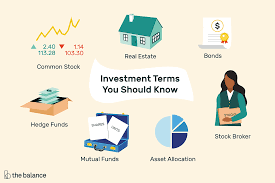
You don’t need 15 products.
Beginner-Friendly Investment Stack (India)
- Index Mutual Funds – Market-linked growth
- PPF / EPF – Tax-efficient stability
- Debt Funds / FDs – Balance & liquidity
- SIP (Systematic Investment Plan) – Discipline automation
Why SIP Works
SIP is like:
- Buying groceries every month regardless of price
- Avoids timing mistakes
- Builds consistency
Even ₹3,000–₹5,000 monthly can create serious wealth over time.
What You Should Remember
Consistency beats intelligence in investing.
Step 5: Stay Invested When It Feels Uncomfortable

Markets will fall. Headlines will scare you. WhatsApp experts will panic.
This is normal.
What Successful Investors Do Differently
- They don’t stop SIPs during crashes
- They don’t chase “hot tips”
- They review annually, not daily
Think of investing like a pressure cooker:
Opening it early ruins the food.
What You Should Remember
Time in the market matters more than timing the market.
Step 6: Avoid These Common Money Mistakes
Even smart people sabotage wealth.
Top Mistakes
- Delaying investing
- Overtrading
- Following friends blindly
- Mixing insurance with investment
- Ignoring tax efficiency
Hard Truth
Your biggest enemy is not the market — it’s impulsive behavior.
What You Should Remember
Wealth grows quietly. Noise destroys focus.
Step 7: Review, Rebalance, Repeat
Investing is not “set and forget forever.”
Annual Check-Up
- Are goals unchanged?
- Is asset allocation balanced?
- Has income increased? Increase SIPs
This is like servicing your vehicle — small effort, big protection.
What You Should Remember
Simple annual reviews prevent long-term damage.
The Bigger Picture: Financial Security Is Freedom, Not Luxury
Financial security doesn’t mean crores in the bank.
It means:
- Sleeping peacefully
- Saying no to toxic work
- Handling emergencies without fear
- Retiring with dignity
Saving and investing quietly create options — and options create freedom.
Final Call to Action
You don’t need perfect timing.
You don’t need expert knowledge.
You just need to start — and stay consistent.