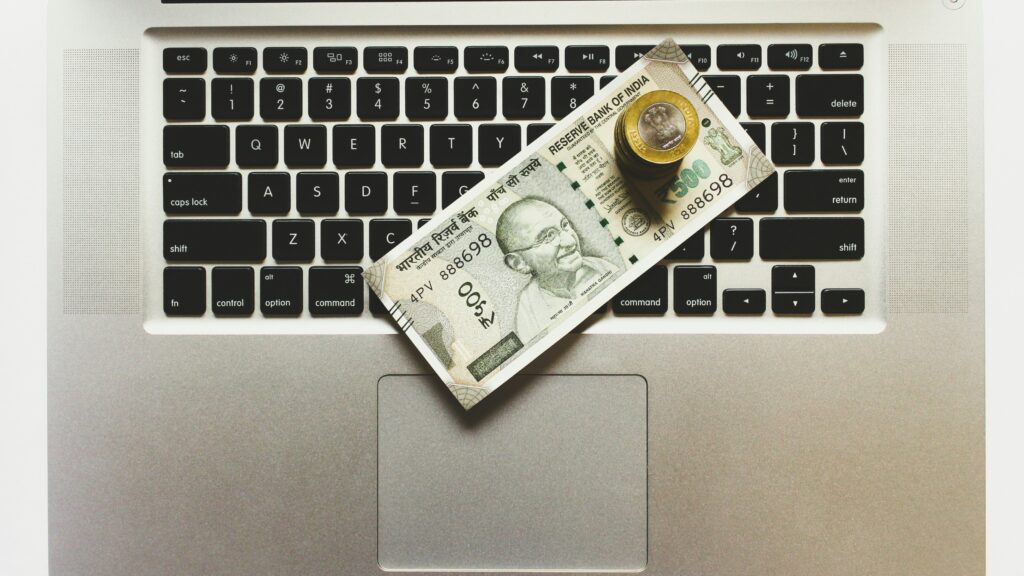
RBI’s Dollar-Rupee Swap: A Move to Inject Liquidity
The Reserve Bank of India (RBI) conducted a $5-billion dollar-rupee buy-sell swap with a three-year tenure, a move aimed at injecting liquidity into the system rather than directly defending the currency. This transaction is best understood as a temporary exchange of dollars and rupees between the RBI and banks.
How the Swap Works
Deepak Shenoy, Chief Executive Officer, Capitalmind AMC, described the move in simple terms, stating that the RBI is effectively telling banks: take rupees today, give me dollars now, and three years later we reverse the deal — but at a price. The RBI had earlier announced during the monetary policy meeting that it would conduct a $5-billion buy-sell swap with a three-year tenure, which it followed through on.
At maturity, banks will return the rupees and receive their dollars back. This makes the increase in forex reserves temporary, not permanent. However, as Shenoy pointed out, there is a premium, which is the extra rupees banks must pay when the swap is reversed after three years. In this case, the premium is Rs 7.77 per dollar.
Implications for Banks and Investors
With the current USD/INR reference rate at Rs 91.02, this means that after three years, banks will pay Rs 98.79 to get back one dollar. This premium reflects the market’s expectation that the rupee will weaken over time. Spread over three years, it implies an annual rupee depreciation of about 2.8%.
For banks, this swap is effectively a rupee borrowing arrangement. Banks give dollars to the RBI today and receive rupees, which they can use for lending or funding operations. After three years, they repay rupees at a known cost and get their dollars back.
Given that three-year dollar funding costs in the US are around 4%, and the implied rupee depreciation is about 2.8%, the effective cost of rupee funding for banks comes to roughly 7%. This is a reasonable cost, making the swap attractive for banks. The swap provides protection to banks against extreme currency moves, which becomes an important aspect in current times when the Indian currency has been growing weaker.
Impact on the Rupee and Forex Reserves
According to Shenoy, the swap does not directly support the rupee in the short term. By buying dollars today, the RBI is actually adding mild pressure on the rupee rather than supporting it. If the RBI wanted to directly stabilize the currency, it would need to sell dollars in the spot market, which it has not done.
The swap improves RBI’s forex reserves on paper, but it is a temporary increase, the dollars will need to be returned after three years. The RBI is trying to manage liquidity and growth without aggressively intervening in currency markets.
Long-term dollar-rupee buy/sell swaps could also reduce the chances of open market operations for the next two weeks at least, which could impact the long-term bonds and contribute to a mild steepening in the yield curve, market participants said.
Understanding the Current Pressure on the Rupee
The primary pressure on the rupee currently comes from foreign portfolio investor (FPI) outflows, not from India’s trade deficit or current account position, noted Shenoy. FPIs have sold over Rs 25,000 crore, or roughly $3 billion, in December alone across equity and debt markets.
When foreign investors exit Indian assets, they take dollars out of the country, weakening the rupee. Unless these outflows slow meaningfully or the RBI starts selling dollars aggressively, sustained stability in USD/INR looks unlikely. For more information on foreign portfolio investor trends and their impact on the Indian market, visit our website.
To understand the role of Reserve Bank of India in managing forex reserves and its implications on the economy, read our detailed analysis. The RBI’s actions, including the dollar-rupee swap, are crucial in maintaining the balance of the Indian economy and currency market stability.
Conclusion
In conclusion, the RBI’s dollar-rupee swap is a strategic move to manage liquidity and protect banks against extreme currency fluctuations. While it may not directly support the rupee in the short term, it has significant implications for the Indian economy and investors. Understanding these dynamics is crucial for Indian investors looking to navigate the complex landscape of the Indian stock market and make informed decisions.