India’s retail real estate market is set for a massive transformation by 2030, with REITs, Tier-II cities, and new malls reshaping the future of urban consumption.
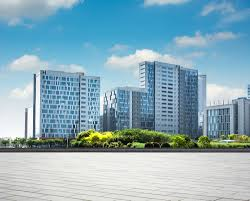
Walk into any major Indian mall today and you’ll notice something subtle but powerful: people aren’t just shopping anymore—they’re living inside these spaces. From cafés filled with remote workers to parents spending weekends in entertainment zones, malls have become India’s new social centers.
But this shift isn’t accidental.
By 2030, India’s retail real estate market is expected to undergo its biggest transformation in history—triggering new REIT listings, massive mall supply, the rise of Tier-II cities, and a ferocious demand for global and digital-first brands.
This article simplifies the entire landscape—what’s driving the boom, which cities are leading the change, and what investors should know before 2030.
Let’s dive in.
1. A Structural Shift: India’s Retail Real Estate Is No Longer “Unorganized”
For decades, India’s retail spaces were fragmented—small shops, scattered malls, inconsistent quality, and little institutional participation. But between 2025 and 2030, the sector is shifting toward a more mature, REIT-backed, global-standard asset class.
Key Indicators of the Shift
- Retail is set to capture 30–40% of India’s REIT market by 2030.
- 60.9 million sq. ft. of new mall supply will enter the market between 2025–2030 — the largest expansion ever.
- Over 60 international brands have entered India in the past four years.
- Modern malls now dedicate 30–40% of space to F&B, entertainment, and lifestyle, making them experience-led destinations.
To put it simply: malls aren’t dying. They’re evolving—fast.
2. The Developers Leading India’s New Retail Wave
A handful of developers are driving the structural upgrade of Indian malls. These players are standardizing design, improving operational best practices, and consolidating high-quality assets—key requirements for REITs.
Top Developers Fueling the Transformation
- Nexus Malls (Blackstone-backed)
- Phoenix Mills
- DLF
- Prestige Estates
- Lakeshore Realty
Together, they already operate 58 malls covering 34 million sq. ft. and have 45+ malls in the pipeline.
Why This Matters
Right now, India has only one retail REIT — Nexus Select Trust.
But by 2027–2029, analysts expect 2–3 more retail REITs, taking the total market size to ₹60,000–₹80,000 crore.
For investors, this means:
- more transparency
- stable rental income
- institutional-quality assets
Think of this as retail real estate’s “formalization moment” — similar to what happened for offices between 2015–2020.
3. The Fastest Growing Retail Cities in India
The real story is not just metros growing—it’s the rise of unexpected consumption hotspots.
A. Hyderabad: The Retail Superstar
If one city deserves the spotlight, it’s Hyderabad.
- Accounts for over 70% of retail leasing activity.
- HITEC City, Kondapur, and Kokapet are booming with tech-driven consumption.
- Mall developers are aggressively acquiring land parcels.
Why Hyderabad?
High-income tech workforce + large young population = unmatched footfall potential.
B. Delhi–NCR & Mumbai: The Launchpads for International Brands
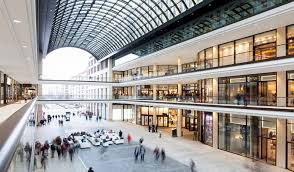
Delhi and Mumbai continue to dominate because:
- International brands prefer debuting in these cities.
- Mumbai recorded 1.6× YoY growth in leasing in 2024–25.
- Luxury brands prefer high-street pockets like Khan Market, Palladium, and BKC.
These cities are now the “gateway markets” for global retail.
C. Tier-II Cities: India’s New Consumption Tiger
A silent revolution is happening outside the metros.
Cities like:
- Indore
- Lucknow
- Jaipur
- Chandigarh
- Kochi
- Coimbatore
- Bhubaneswar
…are witnessing staggering growth.
Examples:
- Indore saw a 46% jump in branded fashion stores in 2024 alone.
- Food & beverage launches in Tier-II cities grew 25–26%.
- Tier-II + Tier-III cities will add 25+ million sq. ft. of new mall space by 2030.
These cities are no longer “secondary markets”—they’re where India’s next retail explosion is happening.
4. The Four Forces Powering India’s Retail Property Boom
1. Premiumization & Experience-Led Retail
India’s affluent and near-affluent households are rising rapidly:
- ₹1 crore+ income households growing at 14–18% per year
- ₹30 lakh+ households growing at 7–11% per year
People want:
- premium restaurants
- high-end fashion
- curated experiences
- larger entertainment zones
Modern malls reflect this shift.
2. International Brands Are Entering Like Never Before
More than 60 major brands have entered India in the last four years.
In 2024 alone, 27 new global brands made their debut.
Some names include:
- Louis Vuitton
- Panerai
- Eleventy
- Lululemon
- Bershka
- Nespresso
This inflow forces developers to create global-standard malls—ideal for REITs and investors.
3. The Rise of D2C Brands Moving Offline
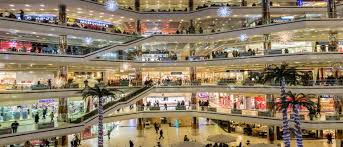
Digital-first brands now want physical retail presence to strengthen omnichannel sales.
Popular D2C brands taking prime mall spaces:
- Snitch
- Minimalist
- Rebel Foods
- Bombay Shaving Company
- Lenskart 2.0 (hybrid model)
These brands bring:
- high footfall
- strong conversion
- data-driven store expansion
For mall operators, D2C brands are the new anchor tenants.
4. India’s Organized Retail Penetration Is Still Only 12%
Developed countries average 80% organized retail.
India is still at 12% of a $1 trillion retail market.
The gap itself is the opportunity.
Organized retail sales are expected to reach:
- ₹19.7 lakh crore ($230 billion) by 2030
- Growing at 10% CAGR
This ensures long-term demand for high-quality retail real estate.
5. What Are People Actually Leasing in 2025–2030?
Here’s the category-wise break-up of India’s retail leasing activity:
- Fashion & Apparel — 32%
- Home & Department Stores — 23%
- Luxury (led by jewelry) — 11%
- Food & Beverage — fastest growing segment
- Others (Entertainment, Hypermarkets, Wellness, Electronics) — steadily rising
The Big Shift
Fashion is no longer the dominant growth engine.
Experiences, luxury, and home improvement are taking over.
6. What This Mega Shift Means for Investors
Here’s the biggest takeaway:
Retail REITs will become one of India’s strongest alternative investment opportunities between 2026 and 2030.
Why?
- Long-term rental stability
- Consumption-driven growth
- High-quality assets by professional developers
- Institutional capex entering Tier-II cities
Those who invested early in office REITs (2019–2022) saw exceptional returns.
Retail REITs may be the next big story.
7. By 2030: What Will India’s Retail Real Estate Market Look Like?
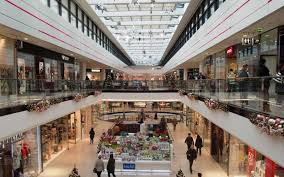
Here’s the 2030 snapshot:
✔ Retail REITs valued at ₹60,000–₹80,000 crore
✔ Grade A malls will form 60% of total mall stock
✔ Tier-II cities will have retail growth almost equal to metros
✔ Organized retail penetration will double
✔ Mall spaces will become social hubs, not shopping centers
✔ International and D2C brands will dominate leasing
India’s retail real estate in 2030 will be more global, more organized, and far more experience-driven than anything we see today.
Conclusion
India’s retail real estate market is undergoing a once-in-a-generation transformation.
The shift is structural—not cyclical.
This isn’t just about more malls. It’s about:
- a richer consumer base
- international brands betting big
- Tier-II cities rising
- REITs institutionalizing the sector
- experience-led spaces replacing traditional retail
By 2030, the Indian retail landscape will look radically different—and far more sophisticated.
Whether you are an investor, homebuyer, developer, or simply a curious observer, now is the time to pay attention. The next five years will shape the next 20.