Adani Defence acquires FSTC for ₹820 crore, boosting India’s pilot training capacity and shaping the future of civil and defence aviation.
Imagine India in 2035: thousands of new aircraft crisscross the skies, yet the country struggles to train enough pilots to fly them safely. Airlines expand fleets, defence forces modernise their fleets, and the demand for skilled, certified aviators skyrockets. This looming shortage has been a concern for years—but recent moves by major industry players signal a solution is finally taking shape.
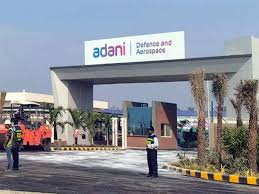
Adani Defence boosts pilot training capacity through its landmark acquisition of Flight Simulation Technique Centre (FSTC) for ₹820 crore. This isn’t just a corporate expansion; it’s a strategic play to transform India’s civil and defence aviation training landscape. Let’s unpack what this acquisition means for the future of Indian skies, pilot education, and the broader aerospace ecosystem.
FSTC – India’s Leading Flight Training Provider
What Makes FSTC Stand Out
FSTC isn’t just another flight school. It operates:
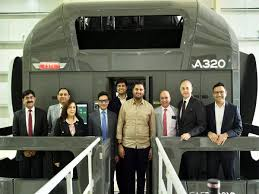
- 11 full-flight simulators for realistic, risk-free training
- 17 training aircraft for hands-on experience
- State-of-the-art simulation centres in Gurugram and Hyderabad
- Two of India’s largest flying schools at Bhiwani and Narnaul, Haryana
Certified by both the DGCA (Directorate General of Civil Aviation) and EASA (European Union Aviation Safety Agency), FSTC offers:
- Commercial pilot licenses
- Type ratings for different aircraft
- Recurrent training to maintain pilot competency
- Specialized skill courses for civil and defence aviation
Think of FSTC as a “full-stack flight academy” — a place where aspiring pilots can take off from basic training to advanced simulators, all under one roof.
Summary
FSTC’s robust infrastructure and regulatory certifications make it India’s most advanced and credible pilot training provider. This foundation sets the stage for scaling India’s aviation workforce efficiently.
Why India Needs More Pilots
The Civil Aviation Boom
India’s aviation sector is on an unprecedented growth trajectory:
- Airlines are expected to induct 1,500+ new aircraft over the next decade
- Passenger traffic is projected to double in the next 10 years
- The country will require nearly 20,000 new pilots to meet fleet expansion
Without rapid capacity expansion in training, airlines could face a bottleneck: grounded aircraft waiting for qualified pilots. FSTC’s acquisition by Adani Defence directly addresses this gap.
Defence Aviation Opportunities
Defence forces are also modernizing rapidly. Simulator-based training allows:
- Cost-efficient pilot development without risking live aircraft
- Advanced mission rehearsal for fighter jets and transport aircraft
- Rapid upskilling for complex operations
FSTC’s existing simulators and training programs make it a natural fit for both civil and defence aviation.
Summary
The acquisition positions Adani Defence to solve India’s pilot shortage problem while enhancing safety and efficiency in both civil and defence sectors.
Adani Defence’s Integrated Aviation Ecosystem
From MRO to Full-Stack Pilot Training
Adani Defence & Aerospace is building an end-to-end aviation services platform that integrates:
- Civil MRO: Maintenance, Repair, and Overhaul for commercial airlines
- Defence MRO: Servicing military aircraft and helicopters
- Flight Training: Full-stack pilot training from FSTC
By combining FSTC with existing subsidiaries like Air Works and Indamer Technics, the group can now provide comprehensive aviation solutions, reducing operational fragmentation and creating synergies across training, maintenance, and technical services.
Strategic Impact on the Aviation Sector
- Talent Pipeline: Trains the next generation of pilots for civil and defence aviation
- Skill Development: Integrates simulation and practical training to enhance learning outcomes
- Operational Efficiency: Centralised training reduces redundancy and speeds up certification processes
Think of it as a one-stop aviation hub: pilots train, aircraft get serviced, and both sectors benefit from a cohesive ecosystem.
Summary
This integrated model positions Adani Defence as a pioneer in creating a holistic aviation services ecosystem that bridges training, maintenance, and operational readiness.
The ₹820 Crore Acquisition – Details & Implications
What the Deal Entails
- Enterprise Value: ₹820 crore for a majority stake in FSTC
- Ownership Structure: Adani Defence Systems & Technologies Ltd (ADSTL) collaborates with Prime Aero Services LLP through Horizon Aero Solutions Limited (HASL)
- Geographical Reach: Expansion capacity in Gurugram, Hyderabad, Bhiwani, and Narnaul
This strategic investment ensures that Adani Defence can scale training programs rapidly to meet growing demand.
Implications for the Indian Aviation Industry
- Boost to Domestic Pilot Training Capacity: With simulators and aircraft available, India can now produce more qualified pilots faster
- Increased Safety Standards: Simulator-based learning reduces risk during real-world training
- Defence Preparedness: Enhances mission rehearsal capabilities and upskills defence pilots
Summary
The acquisition isn’t just a financial investment—it’s a capacity and capability multiplier for Indian aviation.
How FSTC Enhances Pilot Training Efficiency
Advanced Simulators
Simulators allow:
- Realistic replication of flight conditions without risk
- Repetition of emergency scenarios safely
- Rapid skill acquisition at a fraction of real-world training cost
Comprehensive Curriculum
- Commercial Pilot License (CPL): Foundation for civil aviation
- Type Ratings: Aircraft-specific certifications
- Recurrent Training: Maintains operational competence
- Specialized Skill Courses: For combat readiness or advanced civil operations
Geographic and Infrastructure Advantages
- Gurugram & Hyderabad: High-tech simulators for urban centres
- Bhiwani & Narnaul: Large airfields for hands-on flight hours
- Expansion capacity: Plans to train thousands more annually
Summary
FSTC’s simulator-based approach, combined with real aircraft training, accelerates pilot readiness while ensuring safety, efficiency, and scalability.
Civil vs Defence Pilot Training – Opportunities Ahead
Civil Aviation Growth
- Domestic airlines expanding fleets rapidly
- Global low-cost carriers and regional airlines entering India
- Strong government push for aviation infrastructure and regional connectivity
Defence Aviation Needs
- Modern aircraft require advanced training simulators
- Mission rehearsal critical for fighter and transport pilots
- Opportunity to develop dual-use training programs for civil and defence pilots
Think of it like cricket academies: civil aviation is the domestic league, defence aviation is the national team. Both need rigorous coaching, state-of-the-art facilities, and expert mentors. FSTC can now train both teams under one ecosystem.
Summary
FSTC’s dual-focus training addresses India’s civil and defence aviation requirements, creating a scalable and sustainable model for talent development.
Lessons for Aviation and Infrastructure Investors

Market Insight
- Aviation is not just about aircraft and routes—it’s about talent and operational efficiency
- Investment in training infrastructure can have multiplier effects on sector growth
- Simulator-based learning is a cost-effective and scalable solution
Strategic Takeaways
- Look for vertical integration: training, maintenance, and operations in one ecosystem
- Focus on capacity expansion aligned with market growth
- Prioritize quality and certification to ensure international standards are met
Summary
Investors and policymakers should recognise that human capital development is as critical as physical infrastructure in aviation.
Future Outlook
Short-Term Impact
- Immediate increase in pilot training slots
- Enhanced safety and compliance
- Strengthened civil-defence training synergy
Long-Term Impact
- Scalable aviation workforce ready for India’s aviation boom
- Integrated ecosystem leading to operational efficiencies and reduced downtime
- Potential model for other sectors where training and services are critical (e.g., railways, maritime, space)
- Summary
The Adani Defence-FSTC partnership is a blueprint for modern aviation growth, combining infrastructure, technology, and human capital.
Conclusion
The Adani Defence boosts pilot training capacity move through FSTC acquisition is more than just a ₹820 crore deal—it’s a strategic investment in India’s aviation future. By integrating flight simulation, hands-on training, and a full-stack aviation ecosystem, India is poised to meet the soaring demand for pilots in civil and defence aviation alike.
For aspiring pilots, aviation professionals, and investors, this acquisition signals opportunity, growth, and transformation. As India’s skies fill with more aircraft, the people flying them will be trained by world-class facilities—under one roof, with one vision.
Here’s a reflection to consider: How can India leverage private sector investments like this to solve critical talent shortages in aviation and beyond?