The Battle Behind the Screen
Every day, thousands of Indian traders log into their demat accounts with hope and strategy. But minutes later, many throw those plans out the window, thanks to a powerful inner enemy: the lack of “self-control in trading.”
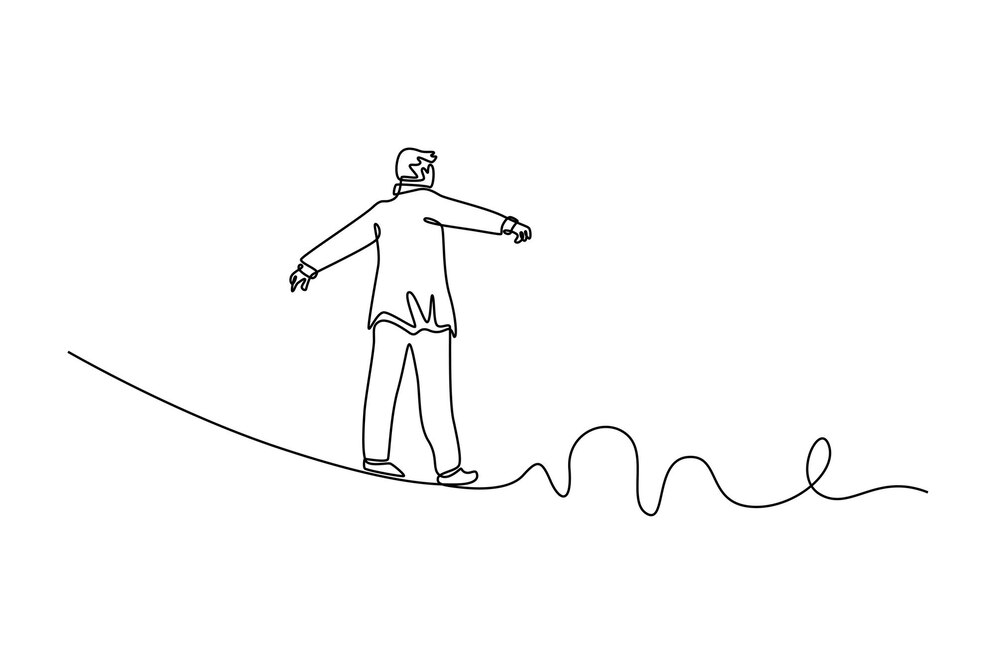
If you’ve ever stared at your screen like it’s a slot machine, waiting for your trade to hit jackpot, you’re not alone. The ease of modern online platforms has made executing trades just a click away. But while ease is a blessing, it has become a curse for many novice and intermediate traders. The emotional itch to take quick action, to feel something, to do something – this is where the real risk lies.
Let’s break down how you can master yourself before you master the markets.
“Impulsive Trading”: Why It Feels Good, But Ends Badly
Impulsive trading is the fast food of the stock market. It’s easy, quick, and gives a temporary high – but it’s also harmful in the long run.
Why Do We Trade Impulsively?
- {Fast trade execution} tempts us to act on a whim.
- {Boredom in trading} pushes us to “check just once.”
- {Screen addiction} feeds our need for constant dopamine hits.
Real-World Example:
Meet Raj, a 34-year-old IT professional turned part-time trader from Pune. He spent months crafting a swing trading strategy. But within three days of entering a trade, he’d start refreshing charts every 10 minutes. The anxiety built, and on impulse, he exited early. The stock soared 12% the next week. His plan worked. But Raj didn’t.
“I wasn’t trading the stock. I was trading my boredom,” he later confessed.
Mindset Shift:
Recognize that the urge to act is emotional, not strategic. Just because you can trade doesn’t mean you should.
“Overtrading in the Stock Market”: The Silent Wealth Killer
Overtrading is one of the most expensive mistakes traders make. It happens not because of strategy, but due to {lack of patience} and {online trading addiction}.
Signs You Might Be Overtrading:
- You enter trades daily without clear signals.
- You’re chasing losses.
- You feel restless when out of the market.
What Happens When You Overtrade?
- Brokerage and tax eat up profits.
- Emotional exhaustion sets in.
- You develop a distorted view of risk and reward.
Desi Analogy:
Overtrading is like eating pani puri during a fast. It satisfies your craving but defeats the purpose.
Actionable Tip:
Limit yourself to a maximum number of trades per week. Stick to high-probability setups. Remember: Fewer, better trades win the race.
“Trading Discipline”: Your True Trading Edge
In India, many traders believe the edge lies in secret strategies or tips from Telegram groups. In reality, it lies in “trading discipline.”
Build Trading Discipline Like a Muscle:
Just as you wouldn’t try to lift 100 kg on your first gym day, don’t expect to master discipline overnight.
Start small:
- Follow your stop-loss religiously.
- Stick to your position size.
- Avoid screen watching unless your strategy demands it.
“Discipline is choosing between what you want now and what you want most.”
Real Example:
Neha, a 29-year-old trader from Indore, logs in only once at 9:30 AM and once again at 3:15 PM. She created alerts to manage trades and stopped manually tracking price movements. Result? She avoided 80% of her past emotional exits.
Tools to Stay Disciplined:
- Use alerts, not your eyes.
- Journal every trade.
- Set rules for screen time.
“Emotional Trading Mistakes”: How Your Mind Plays Tricks on You
Trading is 10% strategy and 90% psychology. {Emotional control} separates winners from losers.
Common Emotional Errors:
- Exiting early due to fear.
- Entering because of {FOMO}.
- Revenge trading after a loss.
Recognize Your Triggers:
Ask yourself:
- Do I feel tempted to trade after a stressful workday?
- Am I trying to impress someone with my profits?
Psychological Techniques:
- Positive self-talk: Replace “Let me check once” with “I trust my plan.”
- Physical break: Get up and walk when you feel the urge.
- Use visual cues: Place a sticky note near your screen: “Patience = Profit.”
Think of your screen like a hot stove. You can watch the flame, but don’t touch unless it’s time to cook.
“How to Stick to Your Trading Plan”: Strategy Meets Psychology
Sticking to a trading plan is simple in theory but tough in real time. It demands “self-control in trading.”
Build a Plan That Respects Human Nature:
- Include cool-off periods after placing trades.
- Set rules for when to check your positions.
- Make it binary: Follow the plan or exit the trade.
What Helps?
- Accountability: Share your plan with a mentor or community.
- Checklists: Tick each step before trade execution.
- Breaks: Step away after placing a trade.
Mini Case Study:
Ravi, a bank manager by day and positional trader by evening, started scheduling trade reviews only on Sundays. This small change helped him reduce unnecessary exits and improved his win rate.
🔑 Quick Takeaways
- Emotional distance leads to better decisions.
- Routine beats motivation.
- Self-awareness is the first step to self-control.
Final Thoughts: You Are Not a Hero, You Are Human
The biggest mistake in trading? Believing you are superhuman.
Just like you won’t resist a rasgulla in front of you, don’t put your open positions on screen unless needed. Avoid temptation. Use tools. Respect psychology.
Trading is less about IQ and more about EQ.
The best traders are not the smartest, but the calmest. They know that discipline is more profitable than impulse.
So the next time you feel the itch to check your trades, take a walk, drink chai, or read a book.
Because every moment you resist a reaction, you win.
💬 Call-to-Action
Have you ever made an impulsive trade and regretted it? Share your story in the comments. Let’s learn together.
Pingback: The Hidden Cost of Not Admitting Mistakes in Trading: What Indian Traders Must Learn from the Martha Stewart Saga - ShareMarketCoder