“Explore why India urgently needs a national law to protect domestic workers, ensuring fair wages, dignity, and social security for this vital yet vulnerable workforce.”
Every morning, millions of Indian households wake up to the quiet rhythm of domestic workers — the unseen hands cooking meals, cleaning homes, caring for children and elders. Yet, despite being essential to our daily lives, these workers often lack basic rights, social security, and fair wages.
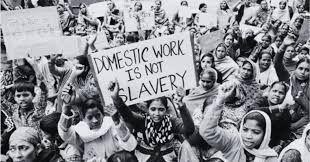
The India Domestic Workers Law is an urgent step toward correcting this long-standing injustice. While some states, like Karnataka, have proposed bills to provide legal protection, the national framework remains fragmented. This blog explores why domestic workers need protection, the legal landscape, and how meaningful reform can uplift millions of lives.
📜 Understanding the India Domestic Workers Law
Domestic workers in India belong to the informal sector, largely unregulated, and often excluded from labor protections that formal employees enjoy.
The Karnataka Domestic Workers Bill 2025 provides a model of what a protective law can achieve:
- Minimum Wage Guarantee: Ensuring domestic workers are paid fairly, reflecting the hours and skill required.
- Written Employment Contracts: Reducing exploitation and informal arrangements that leave workers vulnerable.
- Social Security Benefits: Access to insurance, health care, maternity benefits, and pension schemes.
- Grievance Redress Mechanisms: Establishing clear channels for complaints, disputes, and enforcement of rights.
India’s draft domestic workers law aims to standardize such protections nationwide, transforming domestic work from an invisible, unorganized sector into a recognized profession.
🧩 Why This Matters
Domestic work is overwhelmingly performed by women, often from marginalized communities. Without legal safeguards, these workers face:
- Arbitrary dismissal
- Delayed or withheld wages
- Long, uncompensated working hours
- Abuse and harassment
A robust legal framework empowers workers, ensures dignity, and fosters accountability from employers.
⚖️ The Debate: Challenges in Implementing Domestic Worker Protections
While the intent is clear, implementing protections for domestic workers is complex. Some challenges include:
1. Enforcement Difficulties
Domestic work happens behind closed doors, making monitoring compliance tricky. Unlike factories or offices, private homes are exempt from routine inspections, creating gaps in enforcement.
2. Employer Awareness
Many employers are unaware of the legal requirements, minimum wages, or social security obligations. Education campaigns are crucial for effective compliance.
3. Worker Awareness
Domestic workers may lack literacy or knowledge about their rights, making it difficult for them to assert claims or navigate grievance systems.
4. Informal Contracts
Even with legal mandates, informal arrangements persist. Contracts must be accessible in local languages and clearly outline duties, wages, and working hours.
📝 Key Takeaway:
Legislation alone is not enough. Awareness, monitoring, and accessible grievance mechanisms are critical to protect domestic workers’ rights.
🌐 Lessons from Karnataka and Other States
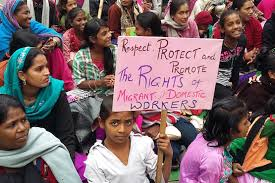
Karnataka’s draft Domestic Workers Bill 2025 provides a roadmap:
- Mandatory registration for workers and employers
- Minimum wage slabs based on task type and hours
- Social security schemes including health insurance and pension contributions
- Dispute resolution through dedicated welfare boards
Other states like Kerala and Tamil Nadu have also piloted welfare schemes for domestic workers, including training programs and insurance benefits. These regional efforts show that structured legal frameworks can work if supported by strong administrative mechanisms.
📝 Key Takeaway:
State-level initiatives offer valuable lessons for designing a national framework, balancing worker protections with practical enforcement.
💡 Actionable Tips for Employers and Workers
For Employers:
- Draft written employment agreements, including wages, hours, and leave entitlements.
- Respect working hours and provide timely payments.
- Facilitate access to social security schemes.
- Encourage open communication to build trust and prevent conflicts.
For Workers:
- Keep records of wages and working hours.
- Register with any available domestic worker welfare boards.
- Know your rights under local and national laws.
- Seek support from NGOs and unions advocating for domestic workers.
📝 Key Takeaway:
Empowering both employers and workers with knowledge and structure reduces conflicts, ensures fair treatment, and promotes dignity.
🧩 Social and Economic Implications
Legal protection of domestic workers benefits the broader economy and society:
- Boosting Women’s Workforce Participation: Many domestic workers are women. Fair wages and protections increase financial independence.
- Reducing Exploitation: With enforceable contracts and social security, the risk of abuse decreases.
- Formalizing the Informal Sector: Registration and welfare schemes bring the unorganized workforce into the economic mainstream.
- Improved Quality of Life: Security and fair compensation improve health, education, and living standards for domestic workers and their families.
📝 Key Takeaway:
Protecting domestic workers isn’t just a legal or moral issue—it’s an economic and social investment that strengthens communities.
📣 Call to Action
India is at a crossroads. Millions of domestic workers silently power our homes and cities. Enacting a national domestic workers law will ensure they receive dignity, fairness, and social security.
What can you do today?
- Employers: Review your domestic help contracts and ensure fair treatment.
- Citizens: Advocate for national legislation and support awareness campaigns.
- Workers: Stay informed about your rights and access support networks.
The time to act is now—because dignity at work matters for everyone.