Explore the evolving legal landscape of cannabis cultivation in India in 2025, highlighting state initiatives, challenges, and sustainable opportunities.
Have you ever wondered what the legal status of cannabis cultivation in India is today? As of 2025, the landscape remains complex yet gradually evolving. While recreational cannabis is mostly prohibited, the door is opening toward controlled cultivation, especially for industrial hemp and medicinal use. This raises key questions: How can cultivators operate legally? What challenges persist? And what promising opportunities are emerging for farmers and entrepreneurs? In this blog, we’ll unpack cannabis cultivation laws in India, shed light on pioneering states, practical hurdles, and what this means for you.
Understanding the Legal Framework of Cannabis Cultivation in India
Narcotic Drugs and Psychotropic Substances Act (NDPS), 1985
India’s primary legal structure governing cannabis is the NDPS Act, which prohibits cultivation, possession, and sale of narcotic parts like cannabis resin, flowers (ganja), and charas due to their psychoactive effects.
- Permissible parts: Leaves, seeds, and stalks of the cannabis plant are excluded from the ban and often used traditionally, as in the case of bhang.
- Exceptions: Sections 10 and 14 empower state and central governments to regulate cultivation for medicinal, scientific, and industrial purposes, provided strict licensing is followed.
State-Level Powers and Regulations
- Individual states have authority to permit or prohibit cultivation.
- States like Uttarakhand, Himachal Pradesh, and Madhya Pradesh have taken lead in legalizing controlled cultivation of low-THC hemp.
- Licensing involves strict THC content limits (under 0.3%) and monitoring to prevent misuse.
Summary
The NDPS Act creates a dual framework: restricting narcotic cannabis use sharply while allowing a regulated window for industrial and medicinal hemp cultivation, reflecting India’s balancing act between control and opportunity.
Pioneering States and Pilot Projects in Controlled Cannabis Cultivation
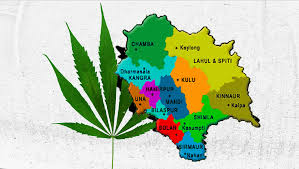
Himachal Pradesh: A Case Study
Himachal Pradesh recently embarked on a pilot controlled cannabis cultivation project, aiming to boost rural livelihoods and industrial growth:
- Tasked the agriculture department to develop guidelines, including selection of non-intoxicating cannabis varieties.
- Planned seed banks and specialized labs to ensure quality and compliance.
- Adjusted state NDPS rules to legalize cultivation under strict surveillance.
Uttarakhand and Madhya Pradesh
- Uttarakhand was a trailblazer starting in 2018, permitting industrial hemp cultivation.
- Madhya Pradesh endorses zones for research and medicinal cannabis farming.
Opportunities for Farmers and Entrepreneurs
- Generating alternative income for farmers in hilly and rural zones.
- Development of hemp-based industries: textiles, cosmetics, biofuels, and pharmaceuticals.
Summary
Selective states are turning cannabis from a prohibited plant to an eco-friendly, revenue-generating agricultural crop through thoughtful regulations and pilot projects.
Challenges in Cannabis Cultivation and Regulatory Compliance
Maintaining the THC Threshold
- Ensuring tetrahydrocannabinol (THC) content remains under 0.3% is a persistent scientific and agronomic challenge.
- Risk of cross-pollination with high-THC varieties can jeopardize legal status.
Infrastructure and Expertise Gaps
- Need for specialized seed banks, processing facilities, and trained agronomists.
- Limited access to scientific research and labs constrains quality assurance.
Legal Risks for Farmers
- Ambiguities in licensing and enforcement result in risk of seizures and penalties.
- Uneven awareness and education on NDPS provisions can cause inadvertent violations.
Summary
While legal pathways open up, cultivators must navigate a maze of scientific, infrastructural, and legal hurdles to safely engage in controlled cannabis farming.
Hemp Cultivation: Environmental and Economic Benefits
Sustainability Advantages
- Hemp requires less water and fewer pesticides compared to cotton or conventional crops.
- Its fast growth cycle promotes soil health and carbon sequestration.
Economic Potential
- Used in textiles, paper, cosmetics, food products, biofuel, and medicinal applications.
- A growing CBD market offers lucrative opportunities for farmers and entrepreneurs.
Example
Farmers in Himachal Pradesh’s hilly districts see hemp cultivation as a sustainable alternative that preserves traditional livelihoods and modernizes revenue streams.
Summary
Hemp’s eco-friendly profile combined with industrial versatility makes it an ideal crop for India’s agrarian and environmental goals.
What the Future Holds: Legal Trends and Market Prospects
Evolving Legal Landscape
- Increasing public support for decriminalizing personal cannabis use and medical legalization.
- State and central governments exploring broader licensing and amendments to NDPS rules.
Market Growth and Innovation
- Development of hemp-based industries climbing steadily.
- Research in cannabinoid medicines expanding, supported by academic institutions.
International Influences
- India’s alignment with global shifts, including UN reclassification efforts, impacts domestic policy.
Summary
India is at a crossroads, balancing tradition and reform, where cannabis’s legal future hinges on scientific evidence and socio-economic imperatives.
Call to Action
Are you a farmer, entrepreneur, or simply curious about India’s cannabis cultivation journey? What challenges or opportunities do you see? Share your thoughts or questions—let’s discuss how this emerging sector can transform livelihoods and industries responsibly.