Oil markets caught a fresh jolt this week when OPEC+ announced a cautious increase in output for November. The news sent crude prices higher, but as always, the devil lies in the details.
If you’re wondering how this move impacts global markets — and especially India — here’s a grounded take (without hype) on what to watch, why this matters, and how investors might respond.
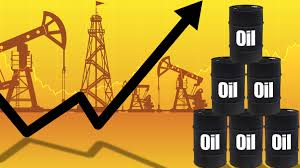
It’s worth beginning with this image: imagine a dam holding back too much water. If you open the gates a little, more water flows—but too wide a release floods the fields downstream. OPEC+ just nudged the gates, not flung them open. The signal is cautious — not aggressive.
What Did OPEC+ Announce?
Rather than a sweeping production jump, the cartel chose a modest increase of 137,000 barrels per day (bpd) starting November — the same increment as the prior month. AP News+2Reuters+2
This decision put to rest speculation of much larger quotas, which some markets had priced in. Financial Times+2Reuters+2
Some key contextual facts:
- The increase is far smaller than earlier rumors of 400,000–500,000 bpd. Financial Times+2Reuters+2
- OPEC+ is unwinding prior voluntary cuts made over 2023 and 2024, but doing so gradually. Reuters+2Wall Street Journal+2
- The next OPEC+ meeting is set for November 2 — further adjustments remain on the table. Reuters+1
So while more oil is coming into the market, the move is tempered by caution.
How the Market Reacted: A Climb, but Not a Sprint
In early trade, the response was measured:
- Brent crude rose about 1%, trading near $65.16/barrel The Economic Times+2Reuters+2
- U.S. WTI (West Texas Intermediate) moved up similarly, to around $61.46 The Economic Times+1
- Some reports showed a 1.5% gain, reflecting optimism that the smaller-than-expected rise would cool fears of oversupply. Reuters+2AGBI+2
That said, analysts were quick to caution that near-term upside is limited, given weak demand signals and potential supply pressures. Reuters+2Reuters+2
One driver behind the move: the expected hike was smaller than many had predicted, which alleviated overhangs of excessive supply. The Economic Times+2Reuters+2
Why This Move Matters (Beyond Just Price)
This isn’t just about crude barrels and charts. The decision carries signals and risks for energy markets, geopolitics, and economies.
1. Messaging Over Volume
The modest increase tells us OPEC+ is trying to balance stability and credibility. It signals intent to remain responsive without flooding markets.
2. Supply vs Demand Tension
Even as more barrels enter the system, demand looks fragile — especially heading into winter in the Northern Hemisphere. Refinery maintenance, slower industrial consumption, and macroeconomic headwinds could blunt gains.
3. The Spare Capacity Game
Not every OPEC+ member can crank up production. Some are capacity-constrained or servicing prior overproduction penalties. The real increase may be lower than the quota suggests. OilPrice.com+2Financial Times+2
4. Geopolitics & Sanctions
Sanctions on Russia and Iran, plus conflict-driven supply disruptions (e.g. attacks on energy infrastructure) will continue to inject volatility. Reuters+1
5. Market Sentiment Test
This move becomes a litmus test: are markets comfortable absorbing more oil, or will fears of glut overpower the bulls?
What This Means for India (Your Pocket, Stocks & Economy)
Because India imports ~80%+ of its crude, these global shifts directly hit Indian lives and business. Here’s how:
Fuel Prices & Inflation
A rise in global oil puts pressure on petrol, diesel, and LPG prices — which inflates transport, logistics, and consumer goods.
Even with government buffers (excise, subsidies), some burden can filter through.
Import Bill & Trade Deficit
Higher crude costs widen India’s import bill, stressing current account and forex reserves. For a country already balancing inflationary pressures, this matters.
Stock Sector Impact
Winners / Losers in equity markets:
- Oil & Gas / Refiners: Margins may shrink, but upstream firms might benefit.
- Logistics / Shipping: Fuel cost surge compresses margins.
- Consumer / FMCG: Input & transport inflation squeezes margins.
- Renewables / Energy Transition: Could gain from long-term push against fossil dependence.
Policy & Regulation
The government may have to tweak subsidies, taxes, or buffer in PDS and rural welfare schemes to offset impact.
In a volatile context, central bank inflation targeting might face stress too.
So for Indian investors and consumers, this isn’t distant global drama — it’s friction on your monthly household budget and the financial ecosystem.
Risks & What Could Go Wrong
- Demand Slump: If global growth softens further, extra supply may drive prices down, despite OPEC’s guardrails.
- Quota vs Reality Gap: Some producers might not deliver the promised output, diluting the impact.
- Escalating Conflict or Sanctions: New shocks in the Middle East, Russia-Ukraine, or elsewhere could cause sharp supply disruptions.
- Economic Slowdown Fallout: Weak industrial activity might reduce fuel demand faster than expected.
- Policy Reaction: Big crude upticks could force fiscal or regulatory interventions — think price caps or subsidies.
In short: there is upside, but also downside, and staying nimble is key.
What Should Investors Do Now?
- Watch the next OPEC+ meetings: The November 2 session could shift the trajectory.
- Monitor demand indicators: Look at U.S. inventory data, China import growth, global PMI.
- Hedge with caution: Use derivatives or energy sector allocation judiciously.
- Diversify: Don’t bet all on oil — combine with non-energy plays.
- Be responsive, not reactive: Use pullbacks as entries, not panic exits.
Wrap-up Takeaway
This latest OPEC+ move is a gentle reminder: the oil market now walks a tightrope.
By raising production modestly, OPEC+ signals confidence — but is unwilling to spook the market.
For India and global investors, the move pushes costs up, demands vigilance, and underscores the fragile interplay of geopolitics, demand, and macro cycles.
Will oil head further north, or will demand weak hands pull it back? The next few weeks will show.
What do you think — is this the start of a renewed oil bull run, or just a bump before the slide? Share your view or vote in the comments below.