Introduction to Hong Kong’s Skyscraper Boom
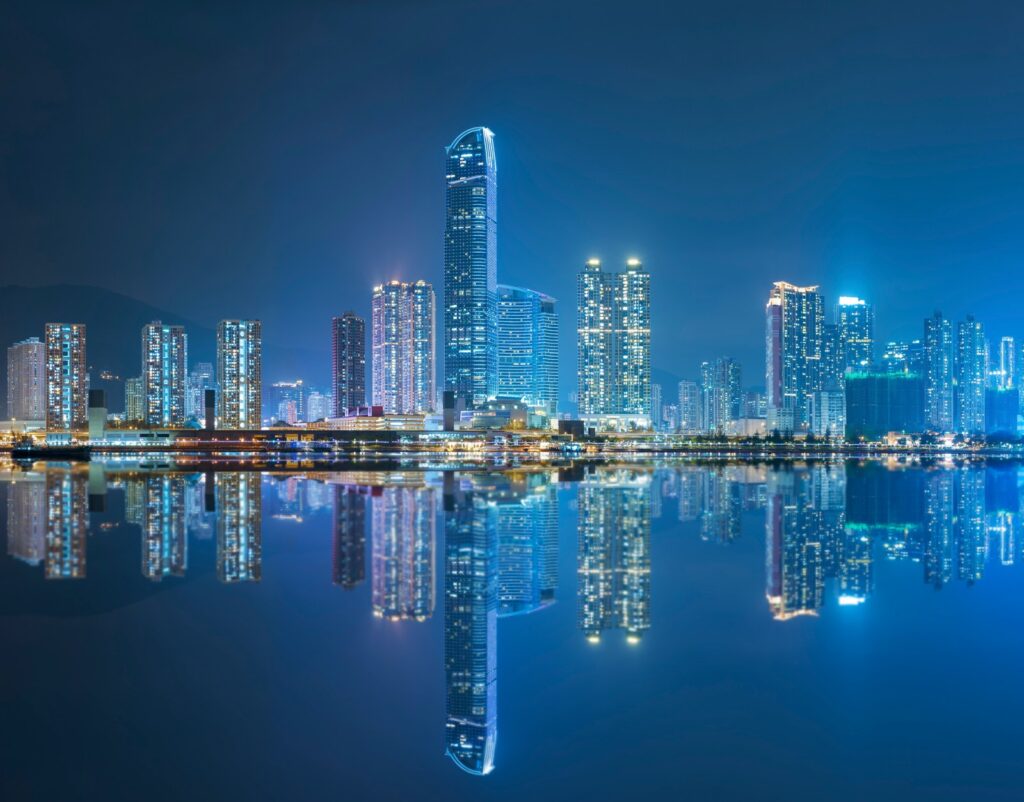
Hong Kong has surpassed cities like New York and Dubai to become the city with the most skyscrapers in the world. With 569 buildings over 150 meters tall, Hong Kong’s skyline is a marvel of modern engineering and architecture. But what drives this skyscraper boom, and what are the implications for the environment and urban development?
The Definition of a Skyscraper
The Council on Vertical Urbanism defines a skyscraper as a building that exceeds 150 meters in height. This definition is significant, as it highlights the scale and density of Hong Kong’s urban landscape. To learn more about the skyscraper definition, and how it applies to cities like Hong Kong, click here.
Hong Kong’s Skyscraper Landscape
Hong Kong’s skyline is dominated by 102 buildings over 200 meters tall, and six ‘supertall’ towers that exceed 300 meters. The city’s unique geography, with steep mountains and limited land availability, has driven the development of high-rise buildings. This has created a densely populated urban environment, with a high demand for office, residential, and retail space.
The Environmental Impact of Skyscrapers
The construction and operation of skyscrapers have a significant environmental impact. Buildings and construction account for 39% of global energy-related carbon emissions, with 28% coming from operational energy use and 11% from materials and construction. The World Green Building Council warns that ‘upfront carbon’ emissions, which occur during material extraction, manufacturing, and construction, could account for half of the entire carbon footprint of new construction by 2050.
The Role of Architecture and Design
Architects and designers play a critical role in mitigating the environmental impact of skyscrapers. By incorporating sustainable design principles and materials, buildings can be made more energy-efficient and environmentally friendly. For example, the use of green roofs, solar panels, and energy-efficient glazing can reduce a building’s carbon footprint. To learn more about sustainable architecture, click here.
Hong Kong’s Unique Geography and Economics
Hong Kong’s unique geography and economics have driven the development of its skyscraper landscape. The city’s limited land availability, combined with its role as a global financial hub, has created a high demand for office and residential space. This has driven the construction of high-rise buildings, which has in turn contributed to the city’s densely populated urban environment.
Conclusion
In conclusion, Hong Kong’s skyscraper boom is driven by a combination of unique geography and economics. While the city’s densely populated urban environment presents challenges for sustainability and environmental protection, it also offers opportunities for innovative design and architecture. By incorporating sustainable design principles and materials, architects and designers can help mitigate the environmental impact of skyscrapers and create a more environmentally friendly urban landscape.