Crude oil prices are shaping inflation, stock markets, currencies, and economic growth worldwide. Discover why oil remains the most important commodity in global markets.
Introduction: One Commodity Still Controls the World
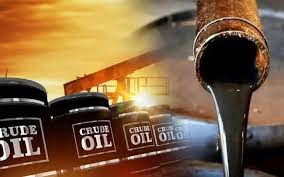
Every morning, millions of people start their day without thinking about crude oil.
They drive to work.
Goods move through highways.
Factories start production.
Airplanes take off.
Ships transport products across oceans.
Behind all these activities lies one critical resource:
Crude oil.
Despite the rise of artificial intelligence, renewable energy, and digital technologies, oil remains one of the most influential commodities in the global economy.
A sharp move in crude oil prices can impact:
- Inflation
- Interest rates
- Stock markets
- Economic growth
- Corporate earnings
- Consumer spending
That is why investors around the world closely monitor oil prices every day.
The reality is simple:
When oil moves, markets listen.
Why Crude Oil Is Called the Lifeblood of the Global Economy
Oil powers modern civilization.
It fuels:
- Transportation
- Manufacturing
- Logistics
- Aviation
- Agriculture
- Industrial production
Virtually every product we use has some connection to energy costs.
When crude oil prices rise, businesses often face higher operating expenses.
When prices fall, companies and consumers typically benefit from lower energy costs.
Think of oil as the blood flowing through the global economic system.
If energy becomes expensive, economic activity can slow down.
If energy remains affordable, growth often accelerates.
What You Should Remember
Crude oil affects far more than fuel prices. It influences almost every sector of the economy.
Why Oil Prices Have Become So Volatile
Oil markets are highly sensitive.
Unlike many products, supply and demand conditions can change rapidly.
Several factors influence crude oil prices:
Geopolitical Tensions
Conflicts in major oil-producing regions can disrupt supply expectations.
OPEC Production Decisions
Oil-producing countries regularly adjust output levels.
Economic Growth
Stronger economic activity increases energy demand.
Currency Movements
Since oil is traded globally in US dollars, currency fluctuations matter.
Weather Events
Natural disasters can impact production and transportation.
These factors often combine to create significant volatility.
What You Should Remember
Oil prices react not only to current supply and demand but also to future expectations.
How Crude Oil Impacts Inflation
One of the biggest reasons investors monitor oil is inflation.
When oil prices rise:
- Transportation becomes more expensive.
- Manufacturing costs increase.
- Logistics expenses rise.
- Consumer prices often move higher.
This creates inflationary pressure throughout the economy.
For central banks, rising oil prices can become a major concern because inflation influences monetary policy decisions.
Higher inflation can lead to:
- Higher interest rates
- Slower economic growth
- Market volatility
This is why crude oil remains a key economic indicator.
What You Should Remember
Oil prices often influence inflation, and inflation influences financial markets.
The Relationship Between Oil and Stock Markets
The impact of oil on stock markets is complex.
Some sectors benefit from rising oil prices.
Others struggle.
Potential Winners
- Energy companies
- Oil producers
- Oilfield service firms
- Exploration businesses
Potential Losers
- Airlines
- Transportation companies
- Logistics firms
- Fuel-intensive industries
The broader market reaction depends on whether higher oil prices are driven by strong demand or supply disruptions.
Strong demand often signals healthy economic growth.
Supply disruptions create uncertainty.
Investors pay close attention to this distinction.
What You Should Remember
Not all rising oil prices are bad for markets. The reason behind the increase matters.
Why India Watches Crude Oil So Closely
India is one of the world’s largest oil-importing nations.
This makes crude oil particularly important for the Indian economy.
When oil prices rise:
- Import bills increase.
- Inflation pressures may rise.
- The rupee can face pressure.
- Government finances may be affected.
When oil prices decline:
- Economic conditions often improve.
- Inflation may moderate.
- Consumer spending can increase.
This explains why Indian investors closely follow developments in global oil markets.
What You Should Remember
For India, crude oil is not just a commodity. It is a major economic variable.
OPEC’s Role in Global Oil Markets
Few organizations have as much influence over oil prices as OPEC.
The group plays a significant role in managing global supply.
When production is reduced:
- Supply tightens.
- Prices often rise.
When production increases:
- Supply expands.
- Prices may decline.
Markets carefully analyze every major OPEC meeting because even small policy changes can affect global energy prices.
Investors understand that supply decisions can have widespread economic consequences.
What You Should Remember
OPEC remains one of the most important forces shaping global energy markets.
Can Renewable Energy Replace Oil?
This is one of the most frequently discussed questions.
The world is investing heavily in:
- Solar power
- Wind energy
- Electric vehicles
- Battery technology
However, the transition takes time.
Oil continues to dominate several critical industries including aviation, shipping, logistics, and heavy manufacturing.
Even as renewable energy grows, oil is expected to remain a vital part of the global economy for years to come.
The future may be cleaner, but the transition will likely be gradual rather than sudden.
What You Should Remember
Renewable energy is growing rapidly, but oil remains deeply embedded in the global economy.
What Smart Investors Are Watching
Professional investors focus on several key indicators:
- Global economic growth
- OPEC production decisions
- US crude inventories
- Geopolitical developments
- Inflation trends
- Dollar Index movements
These factors help determine whether oil prices may rise or fall.
Rather than reacting to daily headlines, experienced investors look for long-term trends.
What You Should Remember
Successful investing often requires understanding the bigger picture behind oil price movements.
Could Crude Oil Trigger the Next Market Shock?
History suggests it is possible.
Major oil shocks have contributed to:
- Inflation spikes
- Economic slowdowns
- Market corrections
- Recession fears
While today’s economy is more diversified than in previous decades, oil remains an important driver of financial conditions.
Investors cannot afford to ignore it.
Whether prices surge or decline, the consequences are often felt across markets.
What You Should Remember
Oil may no longer dominate headlines every day, but its influence remains enormous.
Final Thoughts
Artificial intelligence may be the most exciting investment theme of our generation.
Technology may dominate stock market discussions.
But crude oil continues to influence the foundations of the global economy.
It affects:
- Inflation
- Economic growth
- Interest rates
- Corporate profits
- Consumer spending
In many ways, oil remains one of the most important indicators investors can monitor.
The future may eventually become less dependent on fossil fuels.
But today, crude oil continues to shape decisions made by governments, businesses, central banks, and investors worldwide.
And as long as that remains true, oil will continue to be one of the most powerful forces in global markets.