Introduction to Alzheimer’s Disease: A Growing Concern in India
Alzheimer’s disease is a devastating neurodegenerative disorder that affects millions of people worldwide, including a significant number of Indians. According to the Alzheimer’s disease in India statistics, the country is home to over 5 million people living with dementia, with Alzheimer’s being the most common cause.
The Challenges of Early Detection: Why Nasal Swab Test is a Game-Changer
One of the major challenges in treating Alzheimer’s disease is the difficulty in detecting it early. The disease is often diagnosed only after symptoms such as memory loss and cognitive decline have already begun. However, researchers at Duke Health have developed a revolutionary nasal swab test that can detect early biological signals of the disease, even before symptoms appear.
How the Nasal Swab Test Works: A Simple yet Effective Procedure
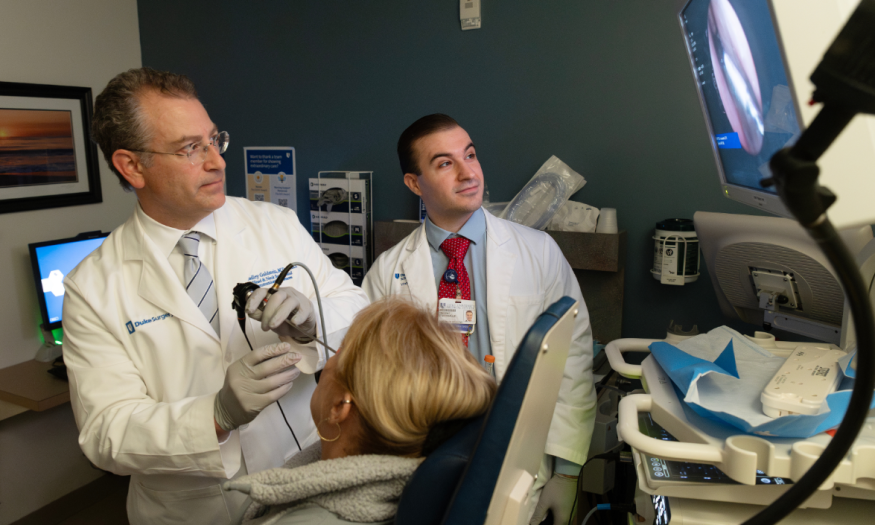
The nasal swab test is a quick, outpatient procedure that takes just minutes to perform. After applying a numbing spray, clinicians collect cells from high inside the nasal cavity, where smell-related nerve cells are located. These cells are then analyzed to understand which genes are active, offering a real-time snapshot of processes linked to brain health.
The Study’s Findings: A Promising Breakthrough in Alzheimer’s Research
The study, led by Dr. Bradley J. Goldstein, found that a combined gene-based ‘nose tissue’ score correctly identified Alzheimer’s cases about 81% of the time, including individuals who had biological signs of the disease but no symptoms yet. This breakthrough has significant implications for the early detection and treatment of Alzheimer’s disease.
Personal Stories: The Human Impact of Alzheimer’s Disease
For study participant Mary Umstead, the research carries personal significance. She joined the study in honor of her late sister, Mariah Umstead, who was diagnosed with early-onset Alzheimer’s at age 57 after symptoms had already progressed. Mary’s story highlights the importance of early detection and the need for effective treatments to prevent the devastating effects of Alzheimer’s disease.
Future Directions: Expanding the Study and Exploring New Avenues
The research team aims to expand the study to larger groups and explore whether the nasal swab could also help track how patients respond to treatment over time. This work was funded by the National Institutes of Health, and Duke has filed a patent to help further develop this technology.
Conclusion: A New Era in Alzheimer’s Detection and Treatment
In conclusion, the nasal swab test developed by Duke Health researchers offers a new hope for Indian patients and their families affected by Alzheimer’s disease. As research continues to advance, it is essential to stay informed about the latest developments in Alzheimer’s disease treatment in India and the potential of innovative diagnostic tools like the nasal swab test.