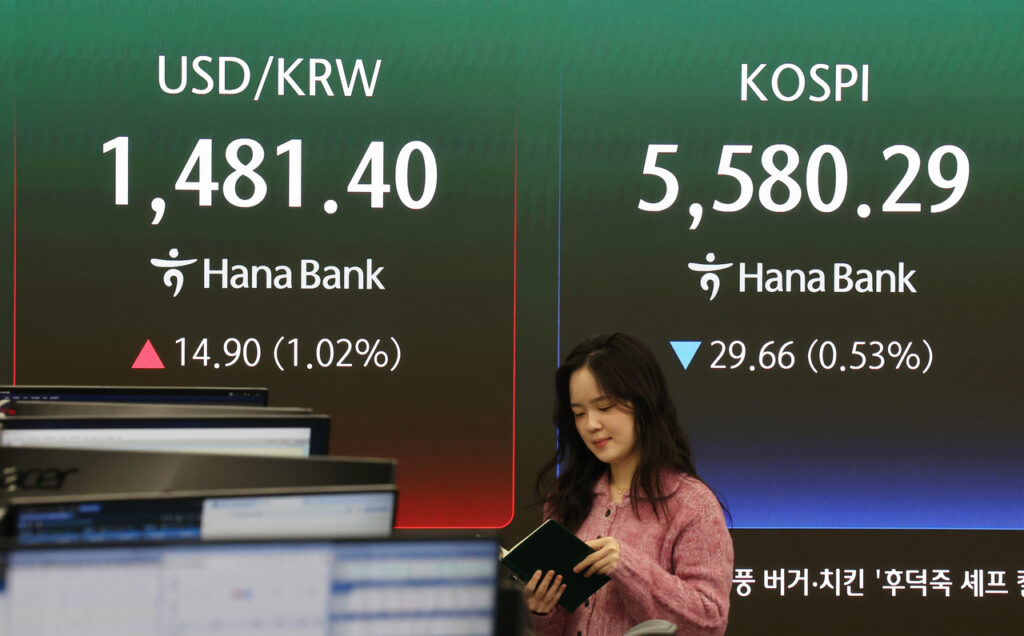
Foreign Stock Outflows Hit Record in February
Foreign investors pulled a record amount of funds from South Korea’s stock market last month as they locked in profits following a rally, central bank data showed Thursday. According to a report on international finance and foreign exchange markets released by the Bank of Korea, foreign investors sold $7.76 billion more Korean securities than they bought in February.
The February figure marked the second-largest net outflow on record and ended a five-month streak of net inflows that had continued since September last year. By asset class, equities accounted for the bulk of the outflows, with $13.5 billion leaving the Korean stock market — the largest monthly outflow on record.
Impact on Indian Markets
So, what does this mean for Indian investors? The outflow of foreign funds from the Korean stock market may have a ripple effect on Indian markets, particularly if foreign investors decide to pull out of emerging markets altogether. However, it’s essential to note that the Indian stock market has been performing well, with the Nifty and Sensex reaching new highs.
Indian investors can navigate this landscape by diversifying their portfolios and keeping a close eye on market trends. It’s also crucial to stay informed about the latest stock news and analysis to make informed investment decisions.
Understanding the Outflows
The central bank attributed the sharp equity outflow mainly to profit-taking after a rise in Korean stock prices, along with growing caution over investments tied to artificial intelligence. This trend may be seen in other emerging markets, including India, where artificial intelligence investments are becoming increasingly popular.
Meanwhile, demand for bonds remained strong, supported by bargain-hunting amid rising market interest rates and increased investment from private-sector investors, the bank added. This trend may be beneficial for Indian investors who are looking to diversify their portfolios and invest in bond investments.
Market Volatility
Market volatility also increased during the month. The credit default swap premium on Korea’s sovereign bonds, a gauge of perceived credit risk, rose to an average of 22 basis points, up slightly from 21 basis points the previous month.
The won-dollar exchange rate also became more volatile. The average daily fluctuation widened to 8.4 won, with a daily volatility rate of 0.58 percent, compared with 6.6 won and 0.45 percent in January. This increased volatility may have a ripple effect on Indian markets, particularly if foreign investors decide to pull out of emerging markets altogether.
Conclusion
In conclusion, the record outflow of foreign funds from the Korean stock market may have a ripple effect on Indian markets. However, Indian investors can navigate this landscape by diversifying their portfolios, staying informed about the latest stock news and analysis, and keeping a close eye on market trends.
By understanding the trends and analysis, Indian investors can make informed investment decisions and stay ahead of the curve. Whether you’re a seasoned investor or just starting out, it’s essential to stay informed and adapt to the ever-changing market landscape. For more information on Indian stock market trends and analysis, visit our website and stay up-to-date with the latest news and updates.