Victoria’s Mental Health Crisis: A Pattern of Preventable Deaths
At least 40 Victorians are preparing to launch legal action against the state’s hospitals over claims their loved ones died by suicide after being prematurely discharged or denied critical care. In one case, healthcare workers deemed a patient a ‘high risk of suicide’ just hours before he was sent home from hospital. He took his life less than two days later.
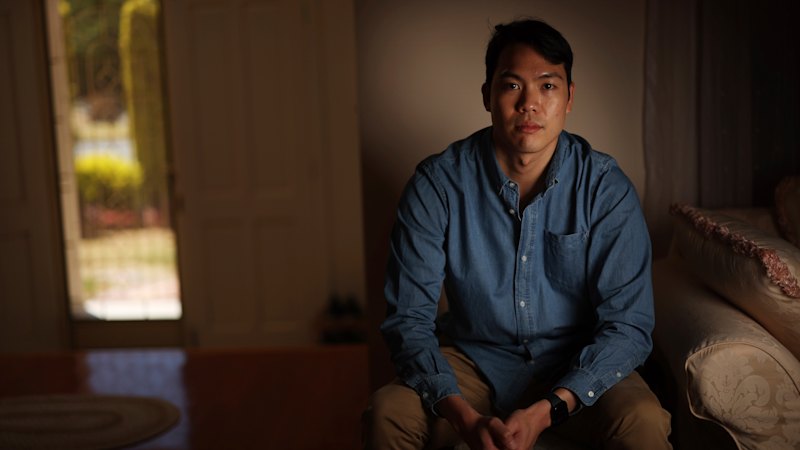
Martin Ang’s father, Richard, was discharged from hospital hours after staff deemed him at high risk of suicide. He died less than two days later. The situation has prompted health experts and healthcare workers to call for more mental health beds, staff and community services to meet the growing demand for help.
Systemic Failures in Mental Health Care
Daniel Opare, Shine Lawyers’ medical law practice leader in Victoria, is representing dozens of families who have lost loved ones to suicide shortly after they were sent home from psychiatric units or turned away. Most of the deaths occurred between 2021 and now.
‘These are not rare or isolated tragedies,’ he said. ‘It is a pattern of people seeking help and being turned away, or being sent home far too early.’ He said clinicians were under extreme pressure to free up beds and not making decisions in patients’ best interests.
On the day he was discharged from the mental health unit at Maroondah Hospital in May 2023, clinical staff wrote in their notes that Richard Ang was at high risk of suicide. The 61-year-old—whose mental health spiralled downwards following a marriage separation and the loss of his job at Metro Trains—had spent two weeks in hospital following a suicide attempt.
A Call for Change
Professor Patrick McGorry, executive director of youth mental health organisation Orygen and former Australian of the year, said patients were being discharged too early from mental health units every day. ‘Back in the ’80s, we would keep someone with an acute episode in for six weeks and then carefully plan the discharge,’ he said. ‘Now they spend a few days in hospital if they’re lucky enough to even get in.’
McGorry said he had lost count of the number of people who had taken their own lives after failing to access appropriate mental health support. ‘These are preventable deaths. These people do not have terminal illnesses. If they were looked after carefully and properly during that acute, risky period, the death rate could be reduced dramatically.’
There has been a 7 per cent rise in suicides in Victoria since the pandemic. In the same period, there have been reductions in NSW and Queensland. Mental health-related emergency department cases are also on the rise, increasing by almost a third over the past decade, according to Victorian Health Department data.
Internal Linking Opportunities
For more information on mental health support, visit our website. You can also learn about suicide prevention and healthcare reform in India.
Conclusion
The situation in Victoria’s mental health system is a wake-up call for the need for more investment in mental health beds, staff and community services. It is essential to address the systemic failures in mental health care to prevent further tragedies.