Union Budget 2026: Taxation of Buyback Proceeds as Capital Gains
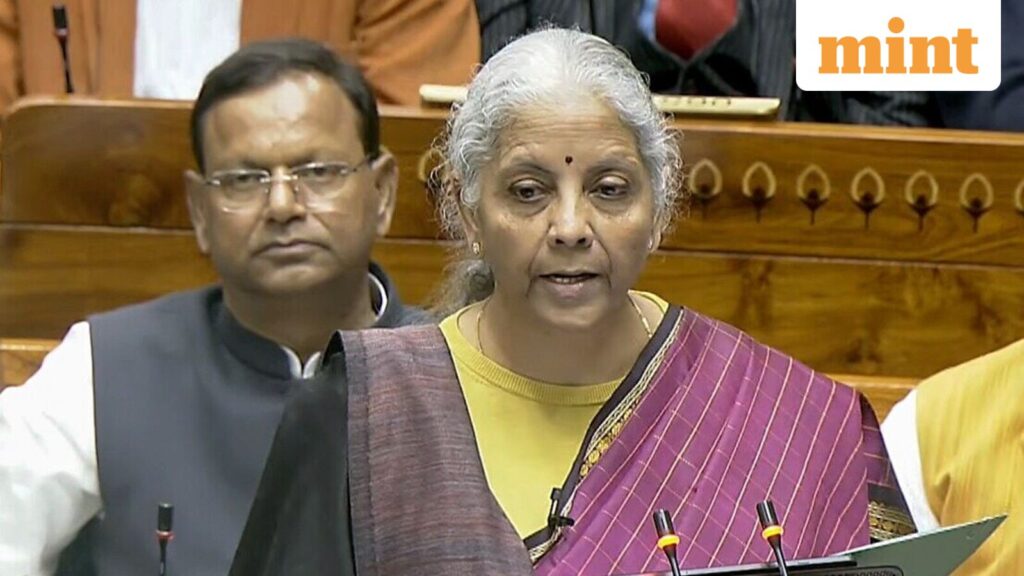
During the Union Budget 2026-27, Finance Minister Nirmala Sitharaman announced that the government will tax buyback proceeds for all types of shareholders as capital gains, marking a major overhaul of the previous rule. She added, however, that promoters will pay an additional buyback tax.
Previous Rule and Its Implications
Under the previous rule, effective from 1 October 2024, all amounts received by shareholders from a buyback were treated as a “deemed dividend” and taxed at the individual’s applicable slab rate, instead of being taxed as capital gains. This posed problems for small shareholders who had no capital gains to set off the loss.
For instance, if an investor had purchased shares at a higher price and then sold them back to the company at a lower price, the loss could not be set off against the dividend income. This created a tax loss harvesting issue for many investors.
Impact on Minority Shareholders
According to Kunal Savani, Partner at Cyril Amarchand Mangaldas, “In a big relief to minority shareholders, now buyback of shares will again be taxed as capital gains tax and hence long term shares tendered in buyback will be taxed only at 12.5% as against the normal slab rate.”
This move is expected to benefit minority shareholders, particularly those who hold long-term shares. To understand the implications of this move, it’s essential to know how capital gains tax in India works and how it applies to different types of investors.
Impact on Promoters
However, this initiative could create complications for promoters, as they will have to pay additional tax on such a buyback, resulting in an effective tax rate of 30% plus surcharge. As Savani noted, “Same stream of income will now be taxed differently.”
This could lead to increased tax liabilities for promoters, which may impact their cash flows and overall financial performance. Investors should consider the potential impact of this move on the financial performance of companies and how it may affect their investment decisions.
Reaction from Experts
Rohit Jain, Managing Partner at Singhania & Co., hailed the move, stating that “reverting the tax treatment of share buybacks from ‘deemed dividends’ to Capital Gains is quite positive for the retail investor.”
He added that the government has restored the “true character” of buybacks as a capital transaction rather than a profit distribution channel. This move is expected to provide higher post-tax returns for minority shareholders and reinforce India’s position as a mature, investor-aligned capital market.
How is Tax on Buyback of Shares Calculated?
The tax on buyback of shares is calculated by measuring the difference between what the company pays shareholders when it buys back the shares and the amount it originally received when those shares were first issued.
Since it is difficult to calculate tax every time shares change hands in the open market, the tax on buybacks is determined based on the gap between the buyback price and the original issue price, regardless of the market value at which investors purchased the shares.
Until 30 September 2024, this tax was the company’s responsibility. However, from 1 October 2024, the government directed that companies would no longer pay tax on buybacks. Instead, shareholders are taxed on the full amount they receive, which is treated as dividend income under Section 2(22)(f) of the Income‑tax Act.
Conclusion
The proposal to tax buyback proceeds as capital gains is a significant move that is expected to benefit minority shareholders. However, it may create complications for promoters and increase their tax liabilities. Investors should carefully consider the implications of this move and how it may impact their investment decisions.
As the Indian stock market continues to evolve, it’s essential to stay informed about the latest developments and their potential impact on investors. By understanding the Indian stock market trends and the factors that influence them, investors can make informed decisions and achieve their financial goals.