New Labour Codes: A Game-Changer for the IT Sector
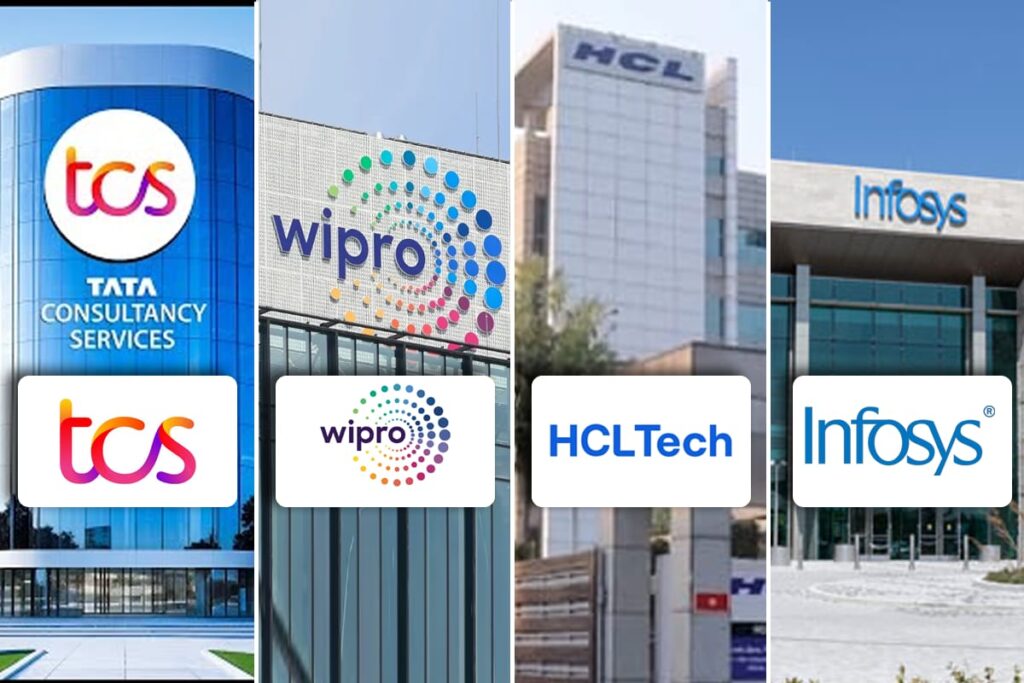
The Indian government’s new labour codes have begun to make their presence felt in the IT sector, with industry giants TCS and HCLTech reporting one-time profit hits in the third quarter of FY26. The codes, which redefine the term ‘wages’ and expand the base for gratuity, provident fund, and leave encashment, have forced companies to recognize higher past service liabilities. This development has significant implications for employee-intensive IT services companies, including Infosys, Wipro, and Tech Mahindra.
Understanding the New Labour Codes
The new labour codes, which came into effect on July 1, 2022, aim to simplify and consolidate existing labour laws in India. The codes cover four broad areas: wages, social security, occupational safety, and industrial relations. The redefinition of ‘wages’ is a critical aspect of the codes, as it expands the base for calculating gratuity, provident fund, and leave encashment. This means that companies will have to contribute more to these benefits, resulting in higher costs and reduced profitability.
Impact on the IT Sector
The IT sector, which is characterized by high employee intensity, is likely to be disproportionately affected by the new labour codes. Companies like TCS, HCLTech, Infosys, Wipro, and Tech Mahindra have large workforces and are therefore more vulnerable to the increased costs associated with the codes. The one-time profit hits reported by TCS and HCLTech in Q3 FY26 are a testament to this. As the codes become more widely implemented, other IT companies are likely to follow suit, which could lead to a sector-wide decline in profitability.
Key Challenges for IT Companies
So, what are the key challenges that IT companies face in the wake of the new labour codes? Firstly, the increased costs associated with the codes will reduce profitability and margins. This could lead to a decline in stock prices, as investors become wary of the sector’s prospects. Secondly, the codes may lead to a shortage of skilled workers, as companies become more cautious in their hiring practices. This could exacerbate the existing skills shortage in the IT sector and hinder growth. Finally, the codes may lead to increased compliance costs, as companies struggle to navigate the complexities of the new regulations.
Infosys, Wipro, and Tech Mahindra: What to Expect
So, what can investors expect from Infosys, Wipro, and Tech Mahindra in the coming quarters? Firstly, it is likely that these companies will also report one-time profit hits, as they adjust to the new labour codes. Secondly, they may need to reassess their hiring practices and workforce management strategies to mitigate the impact of the codes. Finally, they may need to invest in compliance and regulatory affairs to ensure that they are meeting the requirements of the new codes.
Investment Implications
What are the investment implications of the new labour codes for the IT sector? Firstly, investors should be cautious when investing in IT stocks, as the sector is likely to face significant headwinds in the coming quarters. Secondly, they should focus on companies with strong balance sheets and a proven track record of navigating regulatory challenges. Finally, they should keep a close eye on the implementation of the codes and their impact on the sector, as this will be a key driver of stock prices in the coming months.
Conclusion
In conclusion, the new labour codes are a significant development for the IT sector, with far-reaching implications for companies like Infosys, Wipro, and Tech Mahindra. As the codes become more widely implemented, it is likely that the sector will face significant challenges, including reduced profitability, increased compliance costs, and a shortage of skilled workers. Investors should be cautious when investing in IT stocks and should focus on companies with strong fundamentals and a proven track record of navigating regulatory challenges. For more information on Indian stock market news and IT sector stocks, please visit our website.