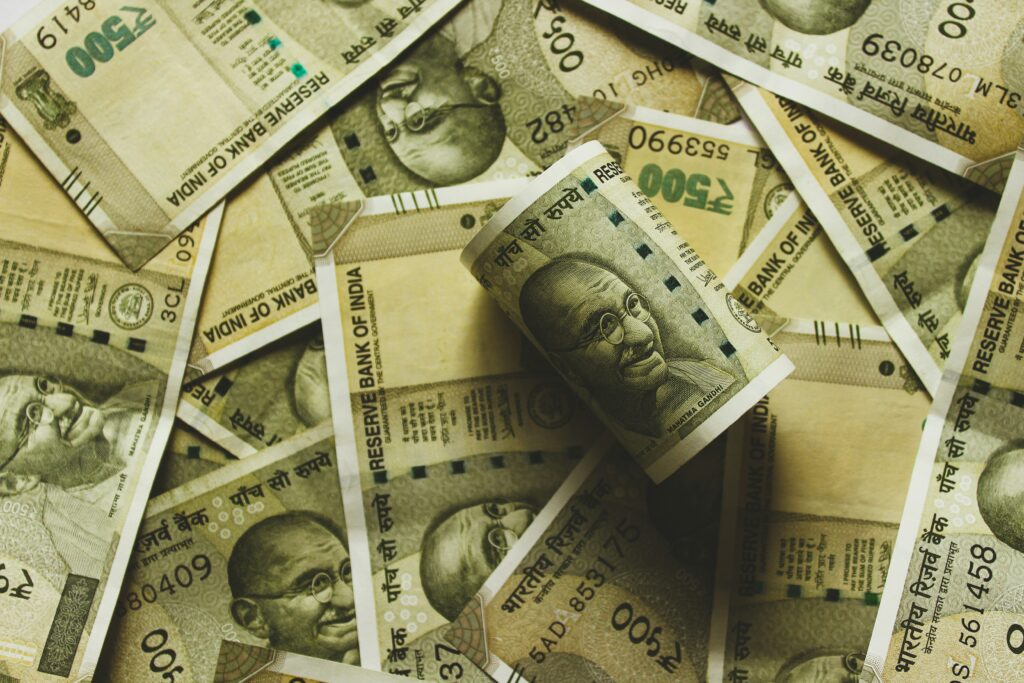
Rupee Slips 6 Paise, Closes At Rs 90.29 Against US Dollar
The Indian rupee pared initial gains and settled for the day 6 paise lower at 90.29 (provisional) against the US dollar on Wednesday, as the likely central bank intervention was negated by a strong dollar, foreign outflows from capital markets, and elevated crude oil prices. Forex traders said the rupee is likely to trade with a negative bias on risk aversion in global markets and geopolitical tensions.
Understanding the Factors Influencing the Rupee
The rupee’s depreciation can be attributed to several factors, including the strength of the US dollar, foreign investment outflows, and rising crude oil prices. The US dollar has been gaining strength due to the expectations of interest rate hikes by the Federal Reserve, which has led to a surge in demand for the dollar. Additionally, foreign investors have been pulling out their funds from the Indian markets, leading to a decrease in demand for the rupee.
Crude oil prices have also been on the rise, which has increased India’s import bill and put pressure on the rupee. As a net importer of oil, India’s trade deficit widens when crude prices rise, leading to a decrease in the value of the rupee. To learn more about the impact of crude oil prices on the Indian economy, visit our blog post on crude oil prices and the Indian economy.
Impact on Indian Investors
The depreciation of the rupee can have a significant impact on Indian investors, particularly those who invest in foreign assets or have exposure to international markets. A weak rupee can lead to a decrease in the value of foreign investments, making them less attractive to Indian investors.
However, a weak rupee can also make Indian exports more competitive, which can benefit companies that rely heavily on exports. To understand the impact of the rupee’s depreciation on Indian exports, read our article on rupee depreciation and Indian exports.
Outlook for the Rupee
Forex traders expect the rupee to trade with a negative bias due to risk aversion in global markets and geopolitical tensions. The ongoing conflict between Russia and Ukraine has led to a surge in risk aversion, causing investors to seek safe-haven assets such as the US dollar.
The rupee is also expected to be impacted by the upcoming monetary policy decisions by the Reserve Bank of India (RBI). The RBI’s decision to hike interest rates or maintain the status quo will have a significant impact on the rupee’s value. For more information on the RBI’s monetary policy and its impact on the Indian economy, visit our blog post on RBI monetary policy and the Indian economy.
Strategies for Indian Investors
Given the current market conditions, Indian investors need to be cautious and strategic in their investment decisions. Here are a few strategies that investors can consider:
- Diversify your portfolio: Diversification is key to managing risk in a volatile market. Investors should consider diversifying their portfolio by investing in different asset classes, such as stocks, bonds, and commodities.
- Invest in export-oriented companies: Companies that rely heavily on exports can benefit from a weak rupee. Investors should consider investing in export-oriented companies to take advantage of the depreciation of the rupee.
- Consider hedging: Hedging can be an effective way to manage risk in a volatile market. Investors should consider hedging their investments to protect themselves from potential losses.
For more information on investment strategies and risk management, visit our blog post on investment strategies for Indian investors.
Conclusion
The depreciation of the rupee can have a significant impact on Indian investors, and it’s essential to understand the factors that influence the currency market. By being aware of the current market conditions and using the right investment strategies, investors can navigate the volatile market and achieve their financial goals.