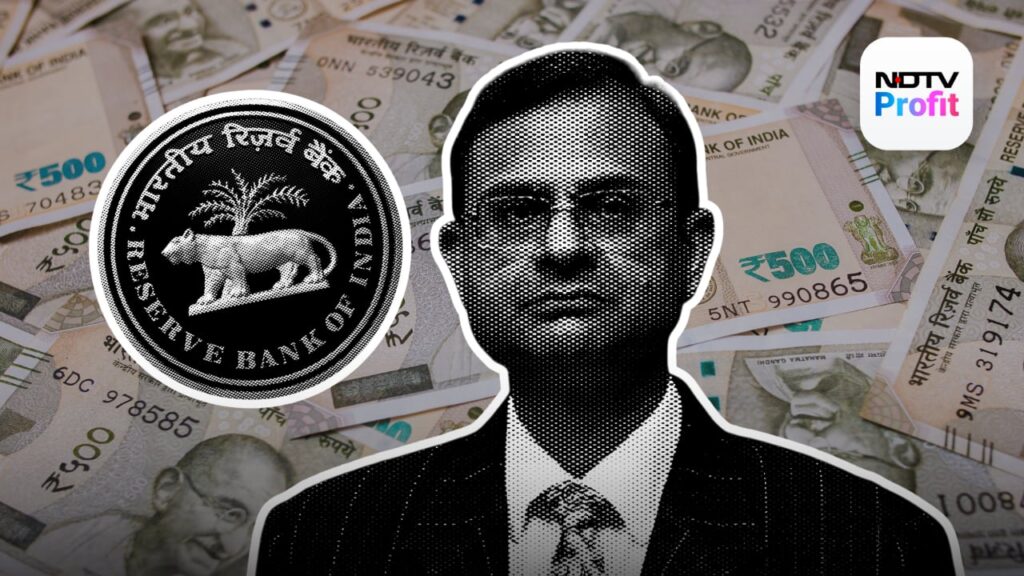
RBI Governor Sanjay Malhotra On Rupee Value: Key Takeaways
In an exclusive conversation with NDTV Profit, RBI Governor Sanjay Malhotra provided clarity on the central bank’s stance regarding the rupee’s value, particularly in relation to the dollar. Malhotra emphasized that the RBI does not target any specific rupee level, including the highly discussed 90 to the dollar mark. Instead, the central bank’s intervention in the currency market is aimed at mitigating excessive volatility, rather than defending or weakening the currency.
This stance is crucial for Indian investors and traders, as it underscores the RBI’s commitment to maintaining a stable and predictable monetary environment. The rupee’s exchange rate against the dollar is a significant factor in India’s trade balance, inflation, and overall economic health. Understanding the RBI’s approach to managing the rupee can help investors make informed decisions about their portfolios and mitigate potential risks associated with currency fluctuations.
Implications For Indian Investors And Traders
For investors and traders in India, the RBI’s non-interventionist approach to specific exchange rates means that currency movements will largely be determined by market forces. This could lead to increased volatility in the currency market, as supply and demand dynamics play out. However, it also presents opportunities for investors who are adept at navigating such market conditions. Those looking to invest in forex or engage in currency trading must be aware of these dynamics and adjust their strategies accordingly.
Moreover, the RBI’s stance on not targeting specific rupee levels suggests that the central bank is prioritizing flexibility in its monetary policy. This flexibility is crucial in responding to global economic trends, geopolitical events, and domestic economic challenges. As the Indian economy continues to grow and integrate more deeply into global markets, the management of the rupee’s exchange rate will remain a key aspect of the RBI’s monetary policy toolkit.
Currency Market Volatility And The RBI’s Role
Currency market volatility can have far-reaching implications for the Indian economy, affecting everything from the cost of imports to the competitiveness of exports. The RBI’s role in managing this volatility is multifaceted. By intervening to curb excessive fluctuations, the central bank aims to prevent sudden and drastic changes in the exchange rate that could destabilize the economy.
However, the RBI’s intervention is not about artificially propping up or devaluing the rupee. Rather, it is about ensuring that the currency market operates smoothly and that speculative activities do not overwhelm the market’s underlying fundamentals. This approach is in line with international best practices in central banking, where the focus is on maintaining market stability rather than manipulating exchange rates for competitive advantage.
Global Economic Trends And The Rupee
The value of the rupee against the dollar is influenced by a myriad of factors, including global economic trends, interest rates, trade balances, and geopolitical events. As the global economy navigates challenges such as inflation, recession fears, and supply chain disruptions, the rupee’s exchange rate is likely to remain volatile.
Investors and traders should keep a close eye on these global developments, as they can significantly impact the rupee’s value. Moreover, understanding how the RBI responds to these challenges can provide valuable insights into the central bank’s monetary policy priorities and how they might influence the currency market.
Conclusion: Navigating The Rupee’s Volatility
In conclusion, the RBI Governor’s clarification on the central bank’s approach to the rupee’s value provides important context for Indian investors and traders. By understanding that the RBI does not target specific exchange rates but instead focuses on managing volatility, market participants can better navigate the complexities of the currency market. As the Indian economy continues to evolve and integrate into global markets, the ability to manage and respond to currency fluctuations will become increasingly important.
For those looking to deepen their understanding of the Indian stock market and stay updated on the latest developments, visiting Indian stock market news portals can provide valuable insights and analysis. Additionally, exploring resources on currency trading strategies can help investors develop effective approaches to managing risk and seizing opportunities in the forex market.