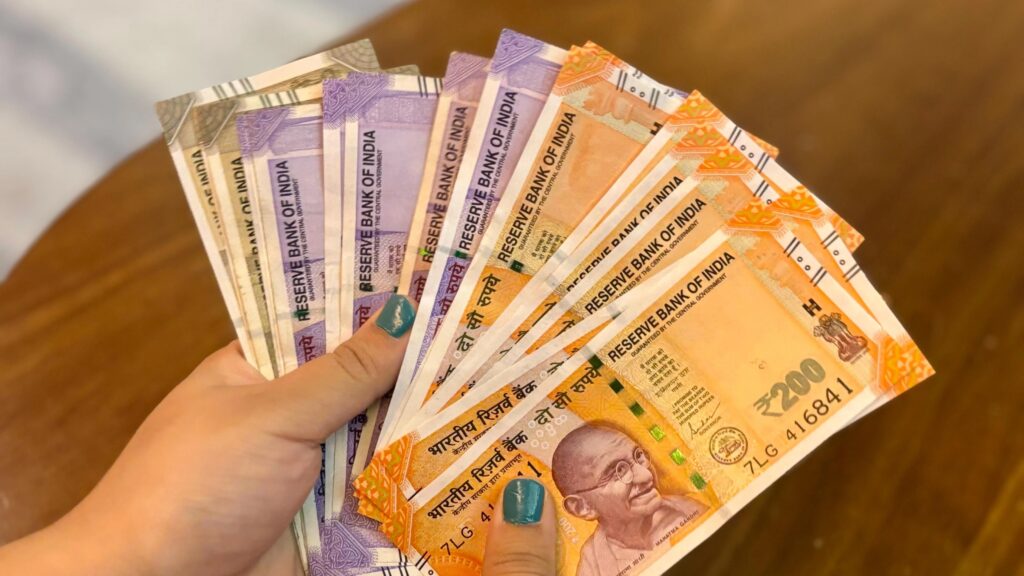
Rupee Falls 4 Paise Against US Dollar: Key Factors at Play
The Indian rupee slipped 4 paise to close at 90.21 (provisional) against the US dollar on Tuesday, weighed down by a combination of factors including higher crude oil prices, a firm American currency, and incessant outflow of foreign funds. This decline in the rupee’s value against the dollar can have significant implications for the Indian economy, particularly for importers and exporters.
Higher Crude Oil Prices: A Major Concern
One of the primary factors contributing to the rupee’s decline is the increase in crude oil prices. As India is heavily reliant on oil imports, higher crude prices can lead to a wider trade deficit and put pressure on the rupee. This, in turn, can lead to higher inflation, as the cost of imported goods increases. For investors, it’s essential to keep an eye on crude oil prices and their impact on the Indian economy.
Firm American Currency: Impact on Forex Markets
A strong US dollar can also contribute to the rupee’s decline. When the dollar strengthens, it can lead to a decrease in the value of other currencies, including the rupee. This can make Indian exports more expensive for foreign buyers, potentially reducing demand and impacting the country’s export-oriented industries. To navigate these fluctuations, it’s crucial for investors to stay updated on forex market news and trends.
Foreign Fund Outflows: A Concern for Indian Markets
The continuous outflow of foreign funds from Indian markets is another significant factor affecting the rupee. Foreign institutional investors (FIIs) have been selling Indian assets, leading to a decrease in demand for the rupee and, consequently, a decline in its value. This outflow can also impact the Nifty and Sensex levels, as foreign investors play a significant role in shaping the country’s stock market trends.
Geopolitical Tensions and Weak Equity Markets
Geopolitical tensions and weak equity markets have also contributed to the pressure on the Indian currency. Global uncertainties can lead to a decrease in investor sentiment, causing them to seek safer assets and reducing their appetite for riskier investments like emerging market currencies. Furthermore, weak equity markets can lead to a decrease in foreign investment, further exacerbating the outflow of foreign funds. Investors should monitor geopolitical tensions and their impact on markets to make informed decisions.
Impact on Indian Investors and Economy
The decline of the rupee against the dollar can have far-reaching implications for Indian investors and the economy. A weaker rupee can make imports more expensive, leading to higher prices for consumers. On the other hand, it can also make Indian exports more competitive in the global market, potentially boosting export-oriented industries. For investors, it’s essential to understand the impact of the rupee on the economy and adjust their investment strategies accordingly.
Way Forward for Investors
In light of these developments, investors should remain cautious and keep a close eye on market trends. It’s crucial to diversify portfolios and consider hedging strategies for currency risks to mitigate potential losses. Moreover, investors should stay informed about Indian stock market news and global economic trends to make informed investment decisions.