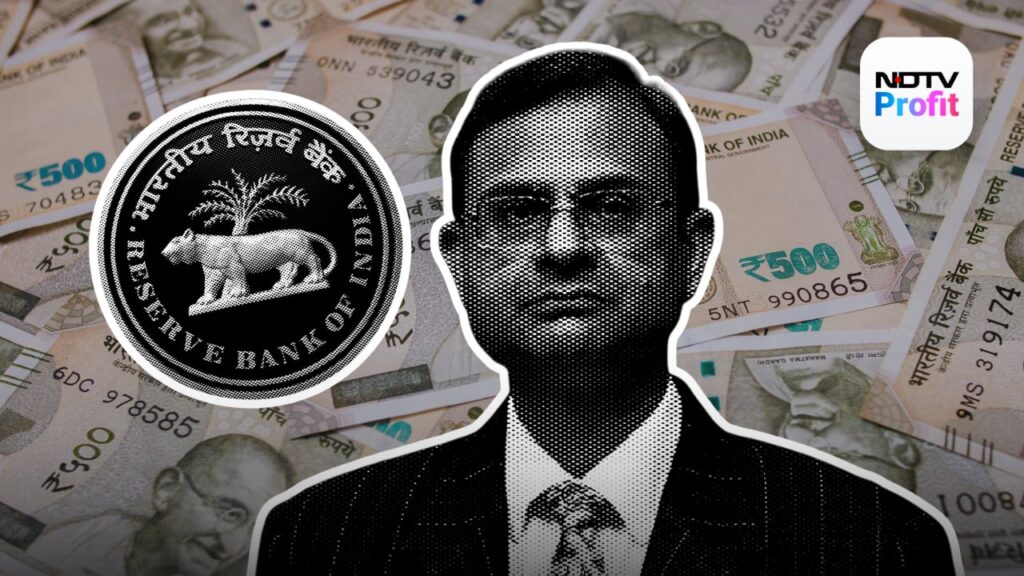
RBI Governor Sanjay Malhotra On Rupee Value: No Red Line At 90 Or 91
In an exclusive conversation with NDTV Profit, Reserve Bank of India (RBI) Governor Sanjay Malhotra clarified the central bank’s stance on the rupee’s value, stating that there is no specific red line for the currency, including the psychological levels of 90 or 91 to the US dollar.
The RBI Governor’s comments aim to provide clarity on the central bank’s approach to managing the rupee’s value and its intervention in the currency market. According to Malhotra, the RBI does not target any specific rupee level and instead focuses on curbing excessive volatility in the currency market.
Understanding The RBI’s Currency Market Intervention
The RBI’s intervention in the currency market is primarily aimed at reducing excessive volatility, rather than defending or weakening the currency. This approach is crucial in maintaining a stable and predictable currency market, which is essential for Indian businesses, investors, and traders.
To learn more about the currency market intervention and its impact on the Indian economy, read our in-depth analysis.
Rupee’s Value: Factors Influencing Exchange Rates
The value of the rupee is influenced by a complex array of factors, including economic indicators, geopolitical events, and global market trends. Some of the key factors that affect the rupee’s value include:
- Inflation rate: A high inflation rate can lead to a decrease in the value of the rupee, as it erodes the purchasing power of the currency.
- Interest rate: Changes in interest rates can impact the attractiveness of investments in India, thereby influencing the demand for the rupee.
- Current account deficit: A large current account deficit can lead to a decrease in the value of the rupee, as it indicates a shortage of foreign exchange.
Impact Of Rupee’s Value On Indian Investors And Traders
The value of the rupee has a significant impact on Indian investors and traders, particularly those involved in forex trading or investing in foreign assets. A stable and predictable currency market is essential for making informed investment decisions and managing risk.
For instance, a depreciation in the rupee’s value can make imports more expensive, which can negatively impact businesses that rely on imported goods. On the other hand, a appreciation in the rupee’s value can make exports more competitive, which can benefit businesses that export goods and services.
RBI’s Role In Maintaining Financial Stability
The RBI plays a crucial role in maintaining financial stability in India, and its approach to managing the rupee’s value is a key aspect of this effort. By intervening in the currency market to reduce excessive volatility, the RBI helps to maintain a stable and predictable currency market, which is essential for economic growth and development.
To learn more about the RBI’s monetary policy and its impact on the Indian economy, read our in-depth analysis.
Conclusion
In conclusion, the RBI Governor’s comments on the rupee’s value provide valuable insights into the central bank’s approach to managing the currency market. By understanding the factors that influence the rupee’s value and the RBI’s role in maintaining financial stability, Indian investors and traders can make more informed decisions and navigate the complex world of forex trading and investing.