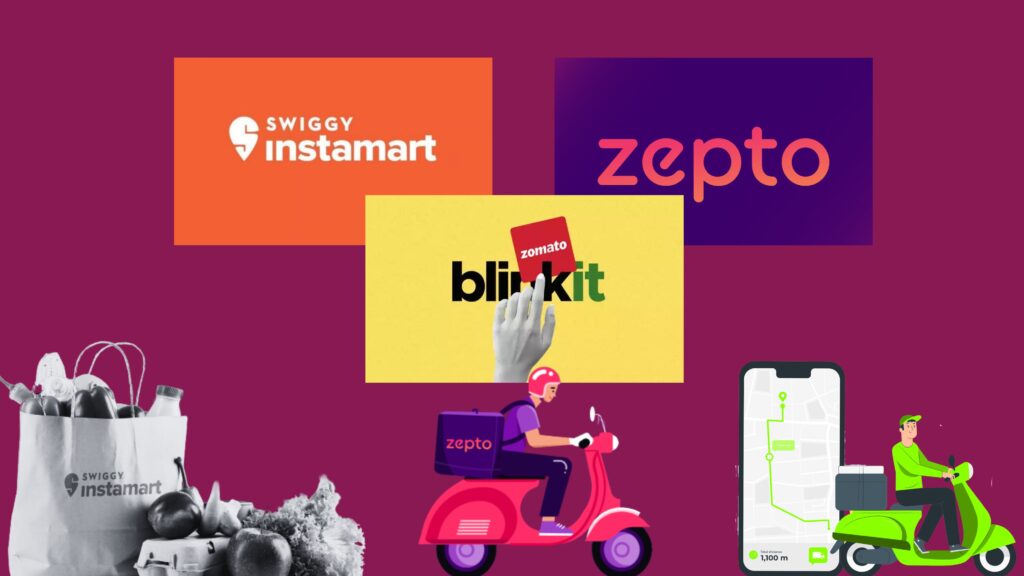
Understanding The 10-Minute Delivery Conundrum
The Indian government’s recent directive to quick commerce companies to halt their 10-minute guarantee has sent ripples through the industry. But what does this mean for companies like Swiggy and Eternal?
According to a note by Elara Capital, the removal of the 10-minute delivery feature could actually be a positive move for these companies. But before we dive into the reasons why, let’s take a step back and understand the context.
The Rise Of Quick Commerce In India
Quick commerce, also known as q-commerce, has been gaining traction in India over the past few years. With the rise of e-commerce and the increasing demand for faster delivery, companies like Swiggy and Zomato have been investing heavily in their q-commerce platforms.
These platforms promise to deliver products to customers within a short span of time, often within 10-30 minutes. This has been made possible by the use of technology, including artificial intelligence and data analytics, to optimize logistics and supply chain management.
The Challenges Of 10-Minute Delivery
While the concept of 10-minute delivery sounds appealing, it comes with its own set of challenges. For one, it requires a highly efficient logistics system, which can be costly to set up and maintain. Additionally, it also raises concerns about road safety, as delivery personnel may feel pressured to deliver products quickly, even if it means compromising on safety.
Furthermore, the 10-minute delivery model also raises questions about the sustainability of the business model. With companies promising to deliver products at such a low cost and within such a short span of time, it can be challenging to maintain profitability.
Why The Removal Of 10-Minute Delivery Could Be A Positive Move
According to Elara Capital, the removal of the 10-minute delivery feature could be a positive move for companies like Swiggy and Eternal. Here are a few reasons why:
- Reduced Logistics Costs: By removing the 10-minute delivery feature, companies can reduce their logistics costs and focus on more sustainable and profitable business models.
- Improved Road Safety: The removal of the 10-minute delivery feature can also help improve road safety, as delivery personnel will no longer feel pressured to deliver products quickly, even if it means compromising on safety.
- Increased Focus On Profitability: By removing the 10-minute delivery feature, companies can focus on more profitable business models, such as cloud kitchen and food delivery.
Overall, the removal of the 10-minute delivery feature could be a positive move for companies like Swiggy and Eternal, as it allows them to focus on more sustainable and profitable business models.
What This Means For Indian Investors
So, what does this mean for Indian investors? For one, it’s a reminder that the Indian stock market is highly volatile, and that investors need to stay informed and up-to-date with the latest developments.
It’s also a reminder that investors should do their own research and not rely solely on stock market news and trends. By doing their own research and staying informed, investors can make more informed investment decisions and avoid common investing mistakes.
Additionally, investors should also consider the broader implications of the removal of the 10-minute delivery feature on the Indian economy and the Indian stock market trends.
Key Takeaways For Investors
Here are the key takeaways for investors:
- Stay Informed: Stay informed and up-to-date with the latest developments in the Indian stock market.
- Do Your Own Research: Do your own research and don’t rely solely on stock market news and trends.
- Consider The Broader Implications: Consider the broader implications of the removal of the 10-minute delivery feature on the Indian economy and the Indian stock market trends.
By following these tips, investors can make more informed investment decisions and avoid common investing mistakes.